Ever wonder why two similar Back Bay condos have very different monthly fees? When you compare homes, that single line item for condo or HOA fees can feel opaque. You want clarity about what you’re paying for today and the bigger expenses that could arrive tomorrow. This guide explains what Back Bay condo fees typically cover, how they are set in Massachusetts, and how to review budgets and reserves like a pro. Let’s dive in.
Condo fees in Massachusetts
Condo fees are monthly assessments collected by your association to fund shared operating costs, building maintenance, insurance for common areas, staffing, and long-term reserves. In Massachusetts, condominiums operate under the Massachusetts Condominium Act, which outlines how budgets and assessments must be adopted and allocated among owners. You will see your share calculated according to your unit’s allocated interest, sometimes called a unit factor, in the governing documents. For statutory background, review the Massachusetts Condominium Act, Chapter 183A.
How fees are set
Each year, the board or manager prepares a budget for operating expenses and reserve contributions, then divides that total across units using the allocation formula in the declaration. Fees can change when operating costs shift or when the association adjusts reserve funding. If a major repair is not covered by reserves, the board may levy a special assessment to pay for the work. Always compare fee levels to the services and capital needs of that specific building.
Who pays what in Boston
In Back Bay, you typically pay two separate bills: your monthly condo fee to the association and your individual City of Boston property tax bill for your unit. The association pays common-area expenses and contracts services using the assessments it collects. To understand property tax billing, see the City’s overview from the Boston Assessing Department.
What Back Bay fees include
Common coverage
- Exterior and common-area maintenance, including roof, facade, masonry, sidewalks, and landscaping
- Master insurance for common elements and structural components per the policy
- Common-area utilities such as lighting, elevator power, and shared hot water
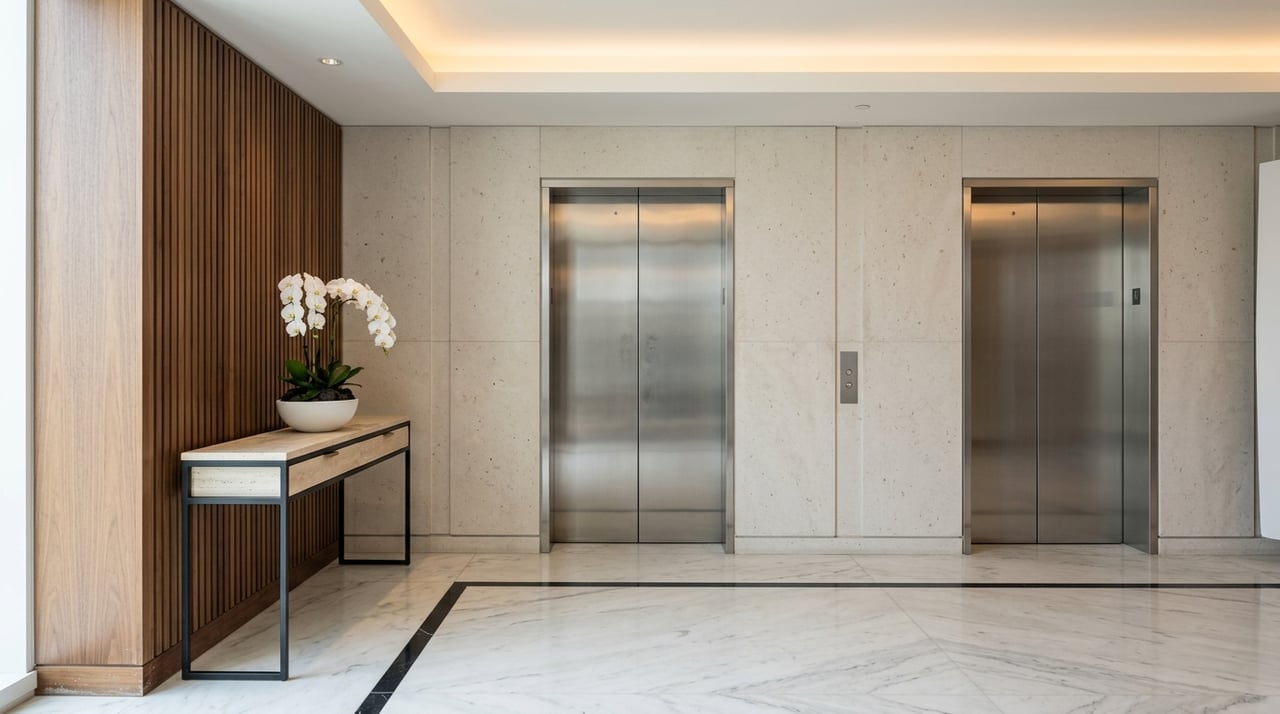
- Elevator service and maintenance contracts
- Concierge, doorman, resident manager, and janitorial services where applicable
- Snow removal, trash removal, and pest control
- Professional management fees
- Amenity operations and upkeep for fitness rooms, roof decks, lounges, and shared laundry
- Reserve fund contributions for long-term replacements like roofs, boilers, and elevators
- Administrative expenses, including legal, accounting, bank fees, and insurance premiums
Sometimes included
- Heat and hot water, especially in older buildings with central systems
- Water and sewer if the building is master metered
- Bulk cable and internet in some full-service properties
- Parking operations or garage management, sometimes billed separately
- Storage units or private amenities that may have separate fees
How building type changes coverage
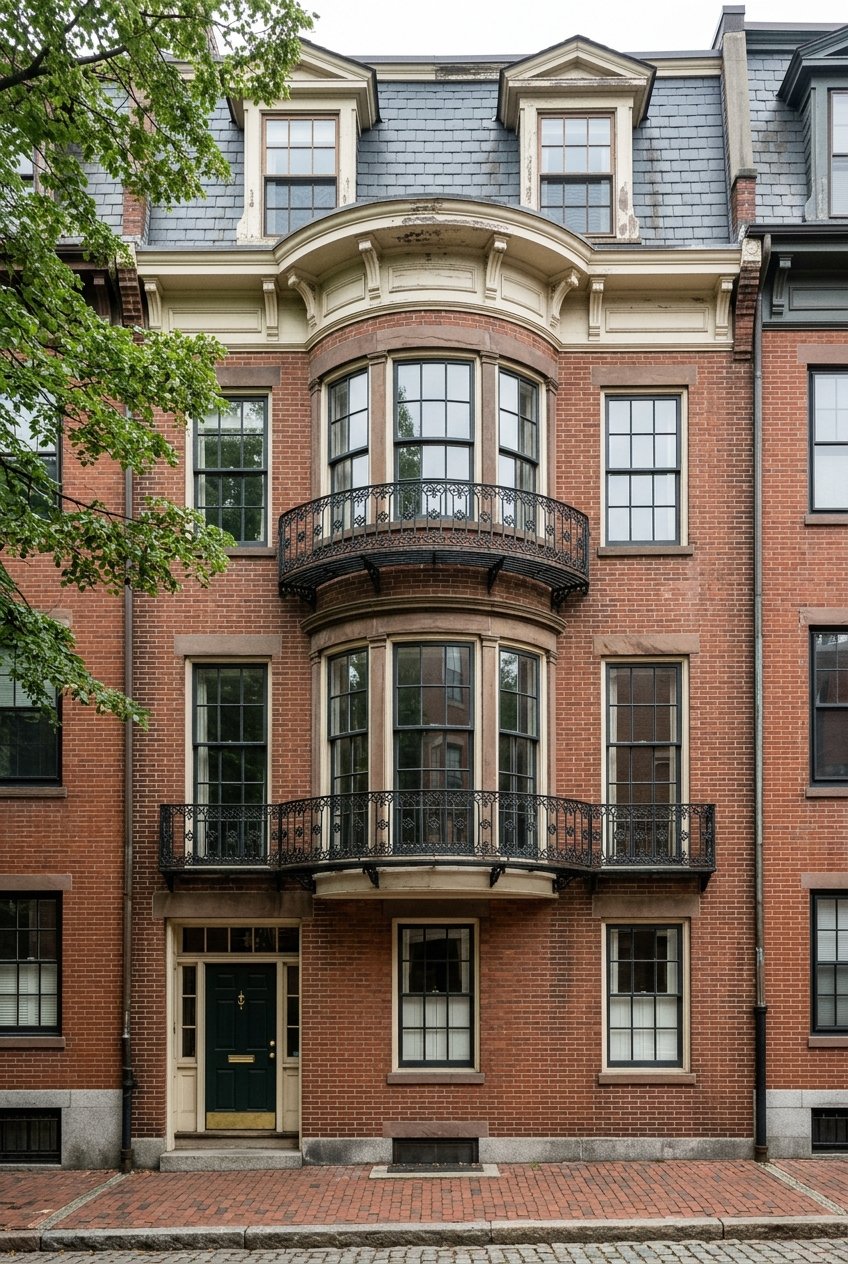
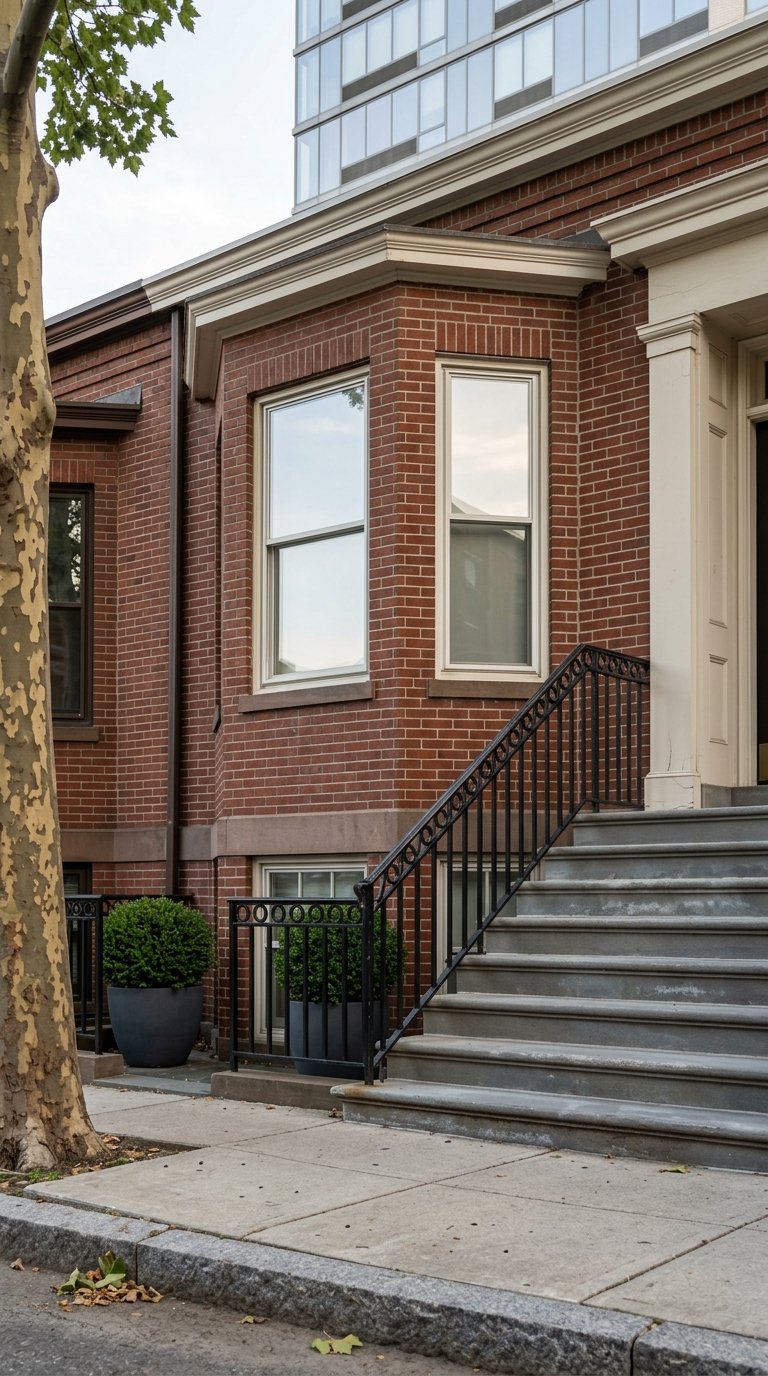
Brownstones and small buildings
- Fewer amenities and staff can mean lower baseline fees.
- Utilities may be individually metered, but not always. Check the master deed.
- Historic masonry and facade work can be costly, so reserves matter.
- Smaller associations may face higher special-assessment risk if reserves are thin.
Full-service mid-rises
- Often include concierge, shared laundry, and some central utilities.
- Fees are moderate to high due to staffing and contracts.
- Operations can be predictable if budgets and reserves are well managed.
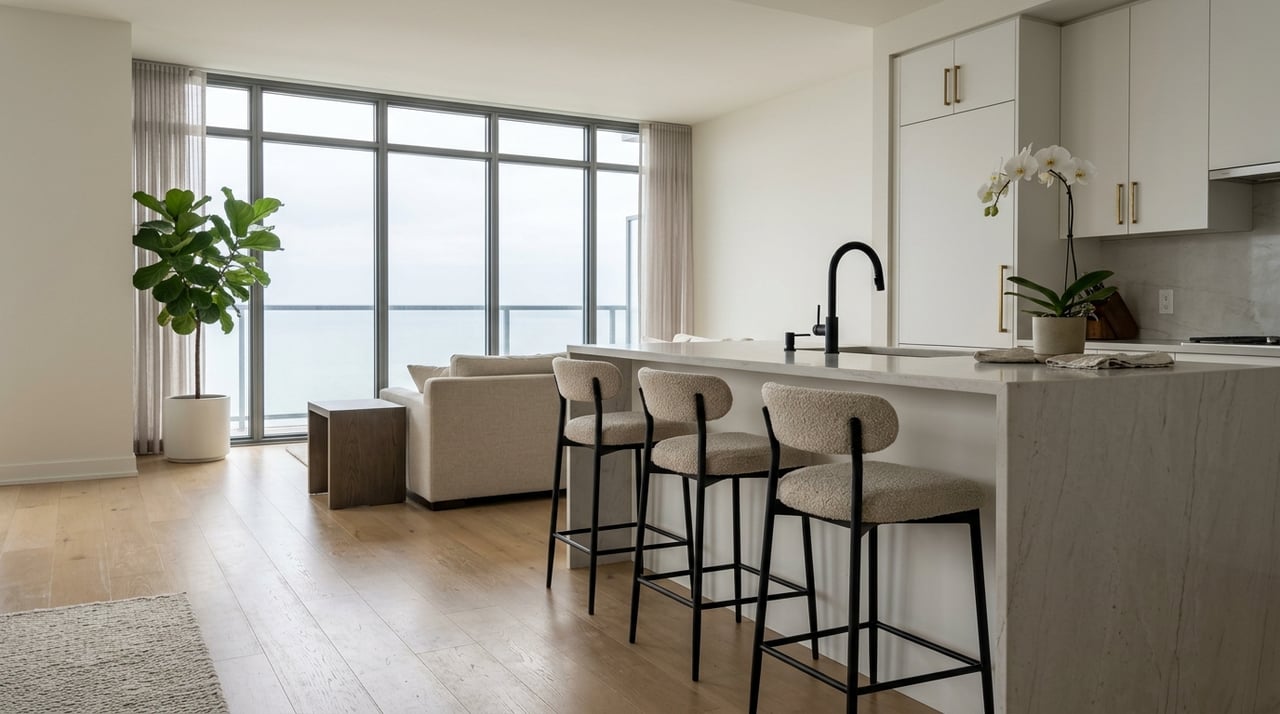
Luxury towers
- Higher fees reflect 24/7 concierge, valet, fitness centers, pools, and garage management.
- Bulk services like building-wide internet or HVAC may be included.
- Larger reserves are common, but replacement costs for complex systems are higher too.
How to read budgets and reserves
Key line items
- Total annual operating budget and your resulting monthly fee
- Utilities, staffing, maintenance and repairs, management, insurance, elevator service
- Reserve contribution line and its percentage of the total budget
- Any special assessments and a schedule for collections
- Delinquent assessments and how the association manages collections
Reserve funds 101
A reserve fund covers predictable capital projects, such as roofs, boilers, facade work, and elevator modernization. A professional reserve study estimates the remaining life and replacement cost of these components and recommends annual funding. Ask for the date of the last reserve study, current balances, and how funding compares to the recommendations. Many associations update studies every 3 to 5 years or after major projects.
Red flags to spot
- Very low reserves relative to upcoming replacements or no recent reserve study
- Multiple recent special assessments or a large pending assessment
- High or rising insurance and legal costs that could reflect claims or disputes
- Frequent management turnover or incomplete capital projects
- Growing owner delinquencies or concentration of ownership that could affect cash flow
Due diligence checklist
Documents to request
- Master deed, declaration, bylaws, and rules and regulations
- Current annual budget and most recent financials
- Latest reserve study and proof of reserve balances
- Board and annual meeting minutes for the past 12 to 24 months
- Master insurance certificate with deductibles and coverage scope
- Management contract and key service contracts, such as elevator and boiler
- List of owners with any delinquent assessments or liens
- Records of recent and planned capital projects with bids or contracts
- Any disclosures about litigation or judgments
Smart questions to ask
- Is heat, hot water, water, or sewer included? Which utilities are metered to the unit?
- What services are covered, such as concierge, valet, cleaning, or landscaping?
- Are parking spaces assigned to the unit and are parking fees separate?
- When was the last reserve study and are contributions meeting the recommendation?
- Are any special assessments or capital projects planned in the next 1 to 5 years?
- What is the policy for unit-level HVAC and repairs?
- Any code violations, safety issues, or contractor claims outstanding?
Insurance basics
- The master policy typically covers common areas and building shell, but specifics vary.
- Owners should confirm what is excluded and carry HO-6 coverage for interiors and personal property.
- Ask about the master policy deductible and any practice of passing it to an owner in certain losses.
Costs and tradeoffs in Back Bay
Compare your all-in monthly cost
- Add your mortgage payment, property tax, monthly condo fee, and any utilities not covered.
- Factor in parking or storage fees if billed separately.
- Stress-test your budget for potential fee increases or a one-time special assessment.
Common capital projects
- Masonry repointing and facade repairs on historic brownstones
- Roof replacements and waterproofing
- Boiler or central system upgrades in older buildings
- Elevator modernization in mid-rise and high-rise properties
Lifestyle tradeoffs
- Higher fees can support concierge, valet, and robust amenities that save you time.
- Lower fees may suit a simpler lifestyle but can mean more hands-on ownership.
- Consider what you value most day to day, then align the building type and fee structure.
A quick look during showings
- Scan facades and roofs for visible wear or active scaffolding.
- Confirm the concierge or doorman presence and hours match the fee level.
- Ask for the last two budgets, most recent reserve study, and 12 months of minutes.
- Note central systems and their age, such as elevators and boilers.
Local guidance, made simple
In Back Bay, the difference between a fair fee and a surprise assessment often comes down to details inside the budget and reserves. You deserve a clear, calm review before you commit. If you would like an expert read on a building’s financials, services, and long-term plan, connect with Gabrielle Baron to schedule a private consultation tailored to your goals.
FAQs
What do Back Bay condo fees usually cover?
- Most fees fund building insurance for common areas, staffing, common utilities, routine maintenance, amenity upkeep, and contributions to the reserve fund for long-term projects.
Are heat and hot water included in Boston condos?
- It depends on the building. Older properties with central systems often include heat or hot water, while many conversions and newer buildings meter utilities to each unit.
How are condo fees calculated under Massachusetts law?
- The association adopts a budget, then allocates expenses based on each unit’s percentage interest or formula listed in the declaration, as outlined in Chapter 183A.
Do condo fees cover my Boston property taxes?
- No. In Boston, property tax is typically billed to each unit owner directly, separate from monthly condo fees.
What is a special assessment and how can I spot risk?
- A special assessment is a one-time charge to fund a project not covered by reserves. Review the reserve study, balances, minutes, and planned projects to gauge risk.
What insurance do I need if the association has a master policy?
- You should carry an HO-6 policy for interior finishes, personal property, and loss assessment coverage, and confirm how the master policy’s deductible is handled.