Living in Charlestown Boston: Daily Life & Homes
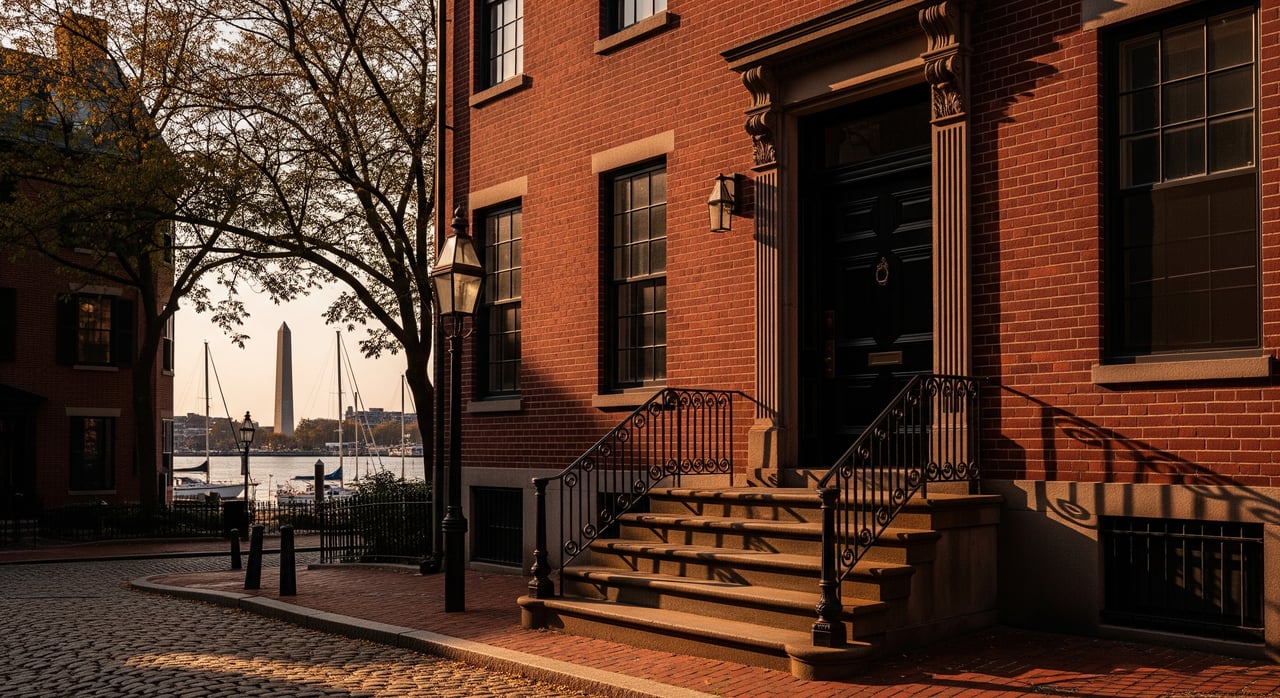
Looking for a Boston neighborhood with historic charm and a quick hop to downtown? If you want cobblestone character, waterfront scenery, and everyday convenience, Charlestown might be a great fit. You will get a walkable lifestyle, a tight-knit feel, and access to the city’s biggest amenities within minutes. In this guide, you will learn how Charlestown lives day to day, what homes look like, how you get around, and what to consider before you buy. Let’s dive in.
Charlestown is Boston’s oldest neighborhood, set just across the Charles River from downtown. The community includes the historic hill around the Bunker Hill Monument, the residential streets that run off Main Street, and the waterfront Charlestown Navy Yard. The population is in the mid-teens of thousands, and the area has grown more diverse as young professionals and families put down roots.
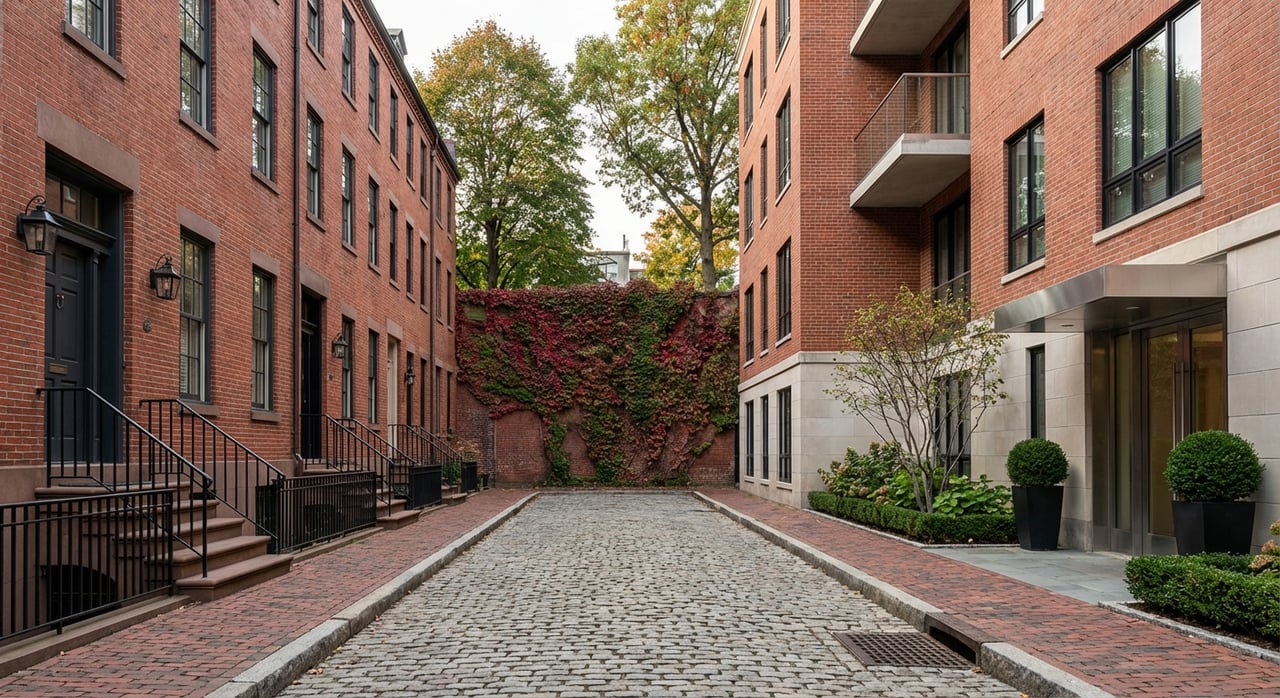
You will notice a compact scale and strong neighborhood identity. Many streets are narrow and lined with brick or granite stone. Gas lamps and well-preserved rowhouses add a distinctive character you will not find in newer districts.
Near Monument Square and Warren Street, you will see a concentration of Federal and Georgian brick townhouses. The Navy Yard brings maritime history together with modern living, including promenades, museums, and newer residential buildings with harbor views. The blend of old and new is a defining part of daily life here.
Charlestown is walkable and compact, so you will see familiar faces around the square, local parks, and Main Street. Daytime brings visitors to the Bunker Hill Monument and the Navy Yard. Evenings lean more local with cafes, restaurants, and neighborhood pubs.
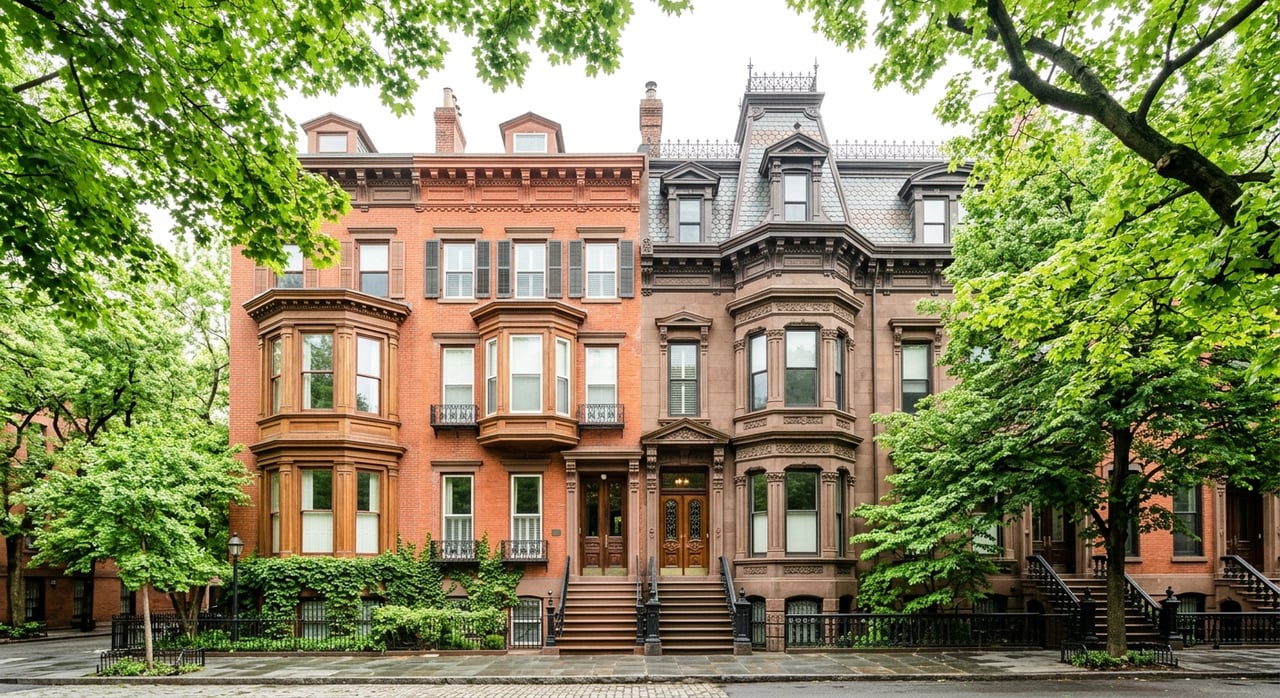
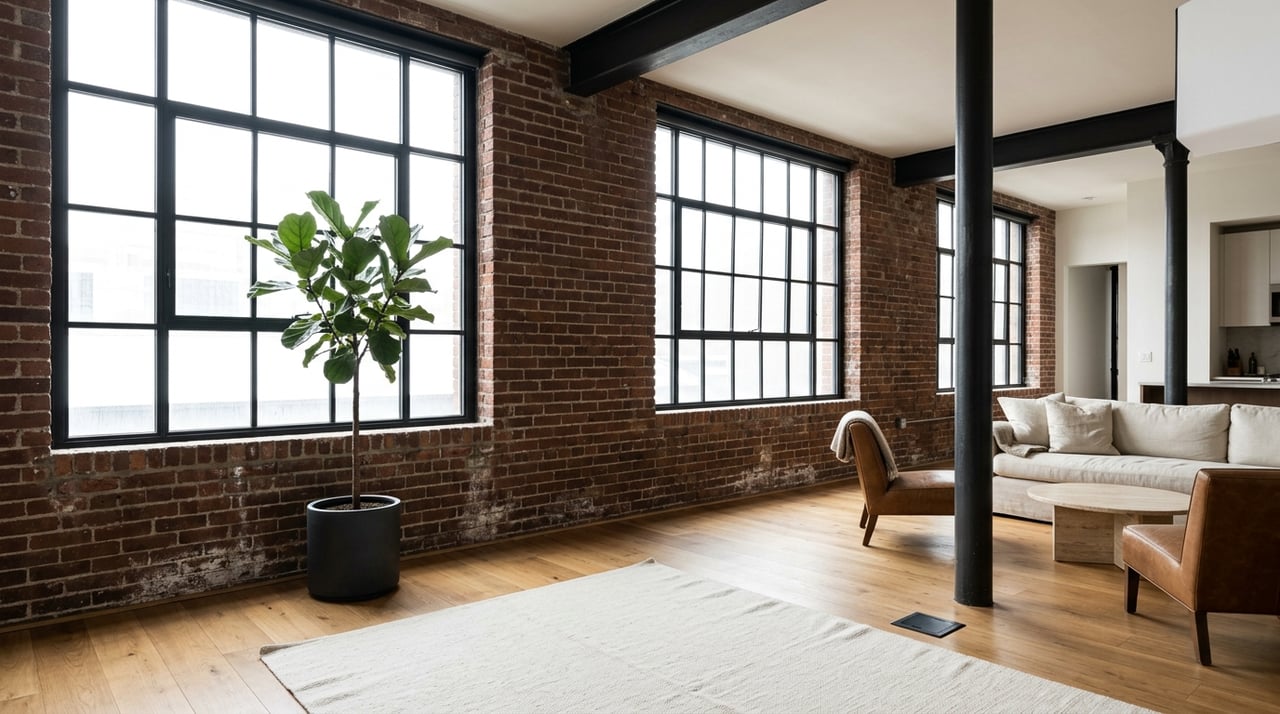
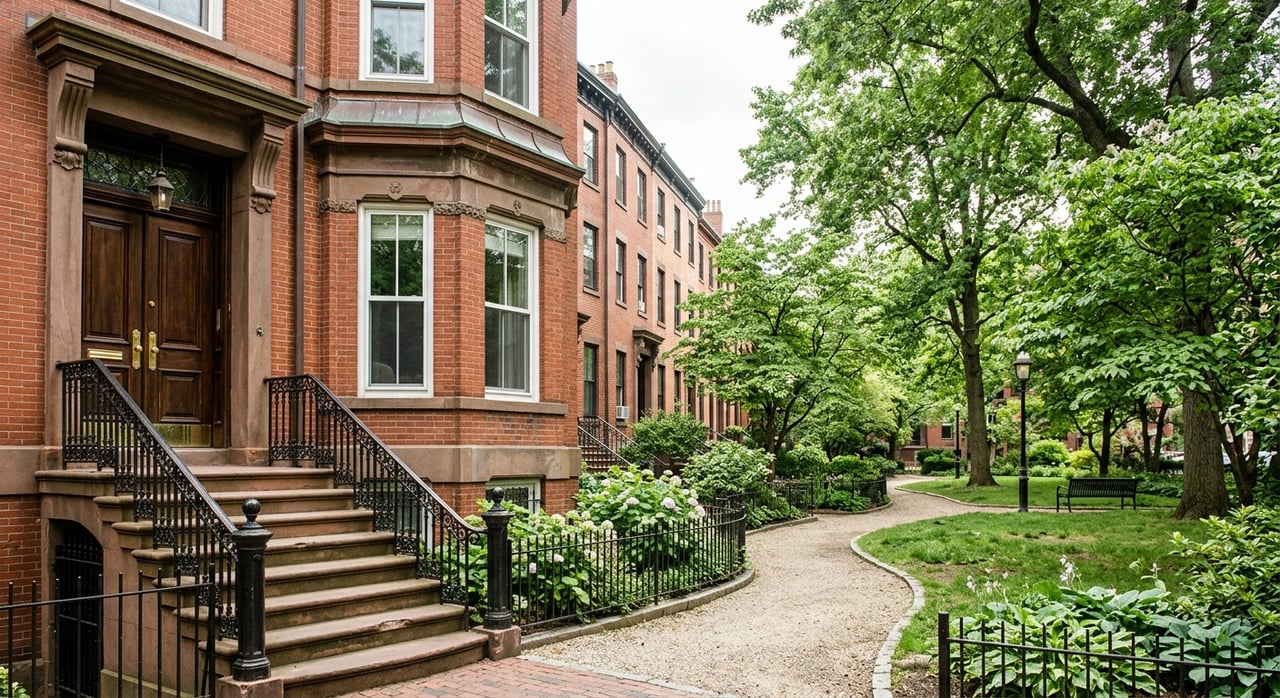
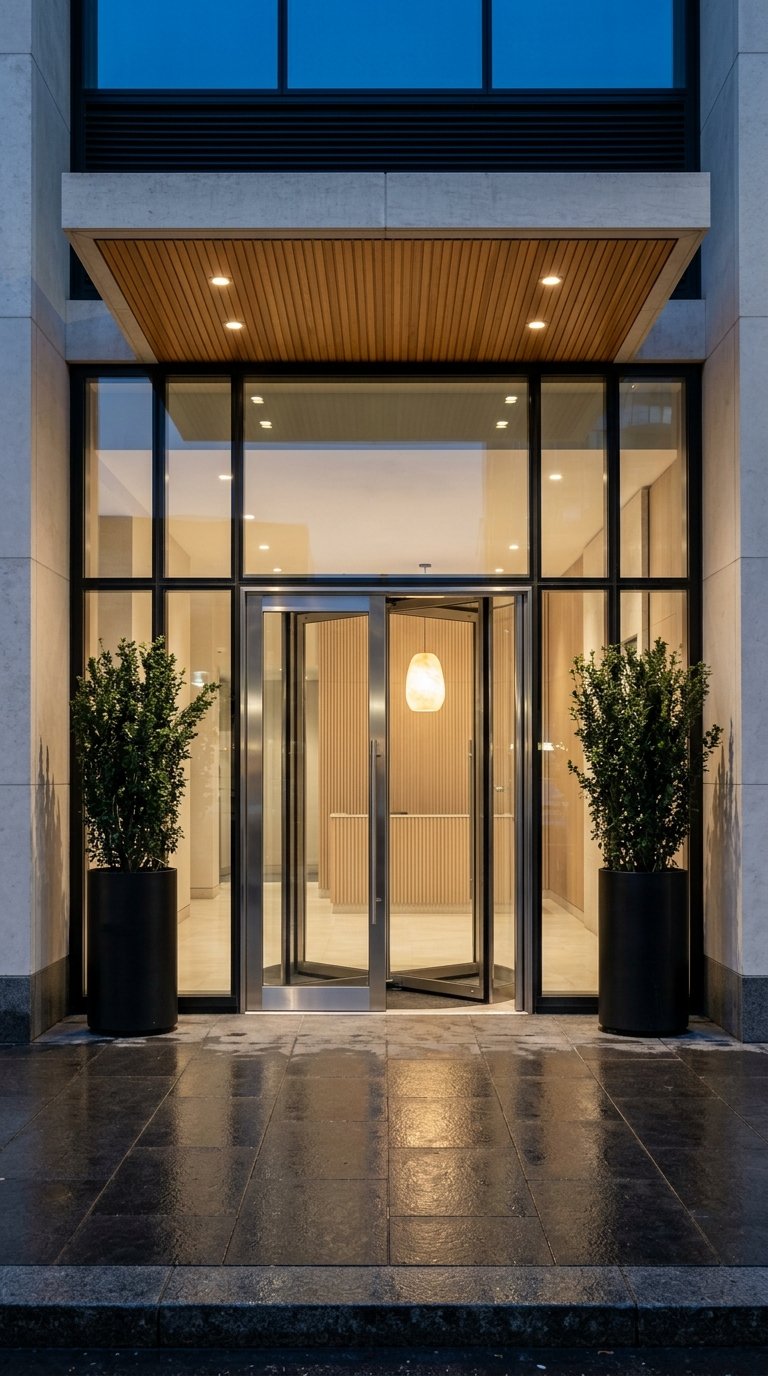
You will find a mix of historic and modern housing options:
Charlestown tends to be pricier than the Boston average because of its proximity to downtown, waterfront properties, and tight supply. Waterfront and newer construction often command a premium. Desirable historic townhouses and harbor-view units see strong demand, and inventory is typically lean.
If you are considering a home with historic details, factor in renovation realities. Many properties are in conservation zones where exterior changes may require review by historic commissions. Older masonry homes can have aging systems, so thorough inspections and realistic budgets are essential.
You are minutes from downtown Boston. Many parts of Charlestown are a 5 to 20 minute trip to the Financial District and North Station depending on your route. The neighborhood connects to MBTA bus lines with access to Orange Line stations such as Sullivan Square, and you can use ferry service from the Navy Yard to central waterfront piers when seasonal schedules operate.
You have quick access to I‑93 and major bridges like the Zakim and Tobin. Peak-hour congestion is common, and residential parking is limited in many areas. Some condo buildings offer garage parking at a premium, so confirm what is included before you commit.
Charlestown is highly walkable around Monument Square, Main Street, and the Navy Yard. Many residents bike or walk to downtown and the North End. Bike infrastructure continues to grow, which supports short commutes and weekend rides along the waterfront.
Charlestown is served by Boston Public Schools, with neighborhood elementary and middle options and a public high school serving the area. Because Boston uses an assignment system, families often review assignment maps and recent school report information as part of their decision.
Bunker Hill Community College has a Charlestown campus, which adds to the neighborhood’s daytime activity. Several private or parochial schools and preschools operate in or near Charlestown, with additional options in adjacent neighborhoods. If schools are a priority, build time into your search to review enrollment, transportation, and program offerings.
The Bunker Hill Monument and Monument Square anchor the neighborhood with open green space and a historic focal point. The Charlestown Navy Yard features maritime parks, piers, and museums that connect residents to Boston’s harbor history.
Paul Revere Park and the Harborwalk provide walking and biking paths that link to adjacent neighborhoods and scenic viewpoints. You will also find small playgrounds and pocket parks throughout Charlestown, which makes outdoor time easy to fit into your routine.
Main Street and the Navy Yard offer an easy mix for everyday life. You will find long-standing taverns, newer restaurants and cafes, and essential retail such as grocers, pharmacies, fitness, and medical services. Many residents combine local shopping with quick trips to downtown markets.
Weekend evenings can be lively around central corridors, which some residents enjoy. If you prefer quiet, you can target more residential blocks further from high-traffic areas.
Charlestown’s appeal often means tight inventory and competitive bids. A neighborhood‑savvy advisor helps you compare historic rowhouses and modern condo buildings, understand preservation and HOA rules, and identify the quiet blocks that match your lifestyle.
If you are moving between Boston neighborhoods or weighing new construction, a concierge approach can save time. You can benefit from expert guidance on developer contracts, building due diligence, and offer strategy. Access to structured programs such as preparation support, cash‑strengthened offers, and bridge solutions can also help you move with confidence.
Ready to explore Charlestown with tailored guidance and a strategy that fits your goals? Connect with Gabrielle Baron to schedule a private consultation.
Stay up to date on the latest real estate trends.



Get assistance in determining current property value, crafting a competitive offer, writing and negotiating a contract, and much more. Contact me today.