Charlestown Navy Yard Condos: Waterfront Living Guide

Waterfront living with city access can feel like a contradiction. If you love Boston but want calmer streets, harbor views, and a quick commute, the Charlestown Navy Yard may be the sweet spot. You will learn what life looks like day to day, how buildings differ, what fees and rules to expect, and the key due diligence for waterfront condos. Let’s dive in.
The Charlestown Navy Yard sits on Boston Harbor with a mix of historic wharf conversions and modern waterfront buildings. You get a maritime setting, wide promenades, and views that change with the light. The area stays quieter than the Financial District or North End while still drawing seasonal visitors near the USS Constitution and the Bunker Hill Monument.
You can expect an easy rhythm of morning Harborwalk strolls, quick trips into the city, and a neighborhood that winds down in the evening. The tradeoffs are real but manageable. HOA fees tend to be higher, parking can be tight, and summer brings more pedestrians and boat activity.
For historical context and visitor impacts, explore the National Park Service’s overview of the Charlestown Navy Yard within Boston National Historical Park.
One of the biggest perks is direct access to the Boston Harborwalk. Many Navy Yard homes sit steps from the path, making it easy to walk, jog, or take in the water views. For maps, access points, and guidelines, see the City’s page on the Boston Harborwalk.
Harbor ferries and water taxis connect the Navy Yard to other waterfront hubs, which can be faster and more scenic than driving at rush hour. Schedules and routes can be seasonal or weather dependent. Always check current service on the MBTA ferry routes and schedules.
You are close to downtown and multiple MBTA options. For commute planning, use MBTA real-time tools to compare routes. If you drive, expect standard city regulations, peak-hour congestion, and building-by-building parking policies. For on-street rules and permits, review the City’s resident parking permit program.
Converted wharf and warehouse buildings offer loft-like layouts with exposed brick and beams. You may find unique floor plans and authentic character. Elevators and entry systems vary, and some conversions have fewer full-service amenities, so it is important to verify access, maintenance history, and building policies in the condo documents.
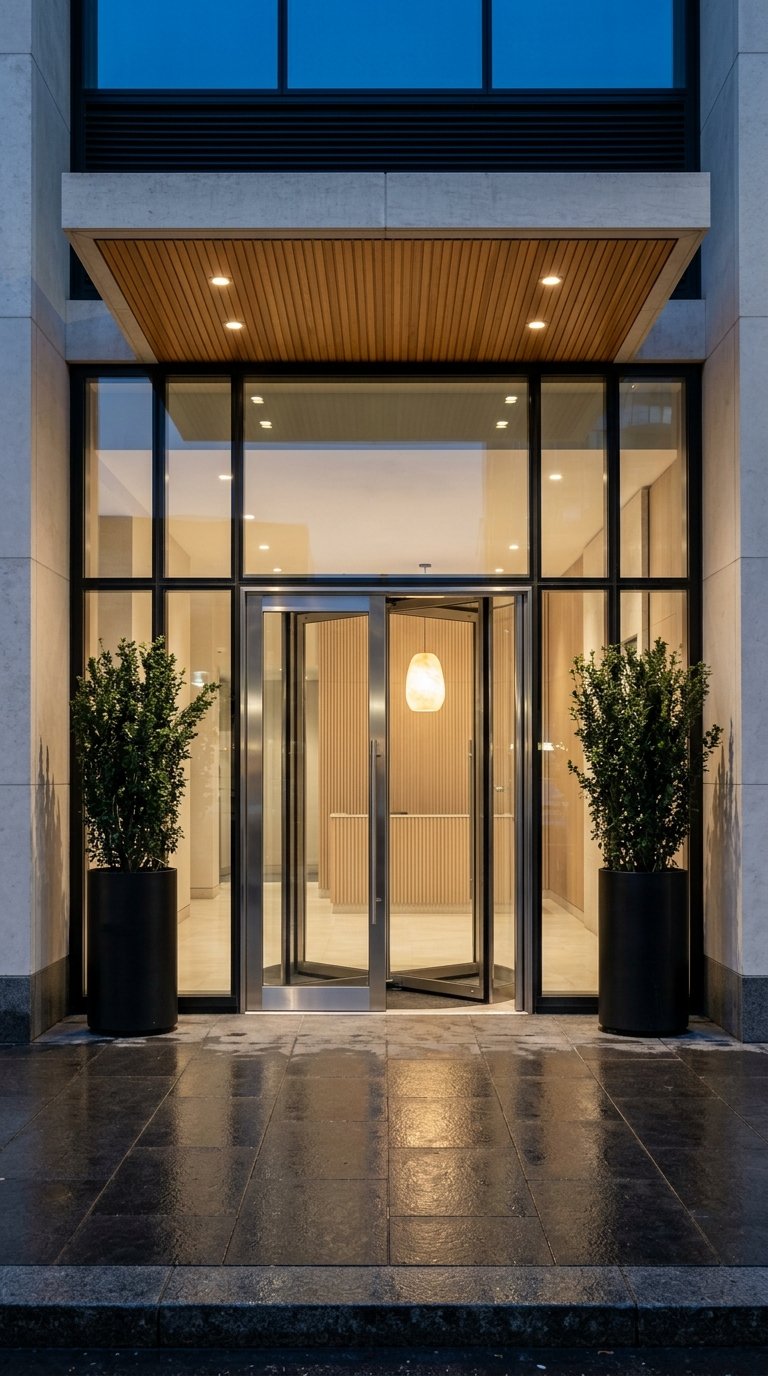
Purpose-built waterfront residences tend to offer more contemporary floor plans and a broader amenity set. Depending on the building, you may find concierge service, fitness rooms, roof decks, storage lockers, and garage parking. Amenities, staffing, and accessibility differ by property, so confirm the details and any associated fees during your review.
Many buildings connect directly to the Harborwalk, which is a public waterfront path. In practice, that means you can step out and head along the water in either direction. Private common areas like terraces or roof decks are typically restricted to residents and guests, while the Harborwalk remains public under City rules. For context, see the City’s guidance on the Harborwalk.
Monthly condo fees usually fund building systems, exterior maintenance, common insurance, and sometimes heat or hot water. Always verify what is included. Review the most recent financials and reserve study to gauge long-term planning. In older waterfront conversions, ask about special assessments and capital projects.
Parking varies widely. Some units include deeded or assigned garage spaces, while others rely on managed parking or rental arrangements. Guest parking can be limited. Storage rooms and bike rooms are common but can be oversubscribed. Confirm whether storage is deeded or shared, and check size and location.
Boston regulates short-term rentals, and condo associations can layer on stricter rules. If rental income is part of your plan, review the building bylaws and the City’s requirements for short-term rental registration and standards.
Waterfront properties may sit in FEMA flood zones that trigger flood insurance for certain mortgages. Before you commit, check your prospective address on the FEMA Flood Map Service Center. It also helps to understand Boston’s planning for sea-level rise and storm impacts. The City’s Climate Ready Boston materials offer neighborhood-level context and resilience strategies.
Ask sellers about any history of flooding, water intrusion, and related repairs. Then confirm the building’s flood insurance arrangements and whether the HOA or unit policy covers specific risks.
Salt air, wind, and moisture accelerate wear on windows, metalwork, and roofing. Review recent envelope work, window replacements, masonry repointing, and waterproofing. For conversions, confirm code updates such as sprinklers and egress. Ask whether mechanicals are elevated, whether there is backup power, and if the building has pump systems or recent resilience upgrades.
A harbor setting comes with maritime sounds from boat engines and horns, plus event activity in warm months. Street traffic may be lighter than in busier downtown pockets, but tourist foot traffic can increase around historic sites. Visit at different times of day and in different seasons to gauge your comfort level.
Units with direct water views or outdoor space often command premiums, but they can be more sensitive to market cycles. Inventory within a specific building can be limited, which makes recent comparable sales more nuanced. The building’s reputation, amenity set, and HOA financial health all play into future resale.
Use this list to organize your due diligence:
A Navy Yard condo offers a refined way to live on the water with fast access to downtown. The key is knowing which buildings fit your lifestyle and how to validate the details that affect comfort, cost, and long-term value. If you want a clear, efficient search and a calm, private process from first tour to close, schedule a private consultation with Gabrielle Baron.
Stay up to date on the latest real estate trends.






Get assistance in determining current property value, crafting a competitive offer, writing and negotiating a contract, and much more. Contact me today.