Seaport vs Waterfront Condos: Find Your Boston Fit
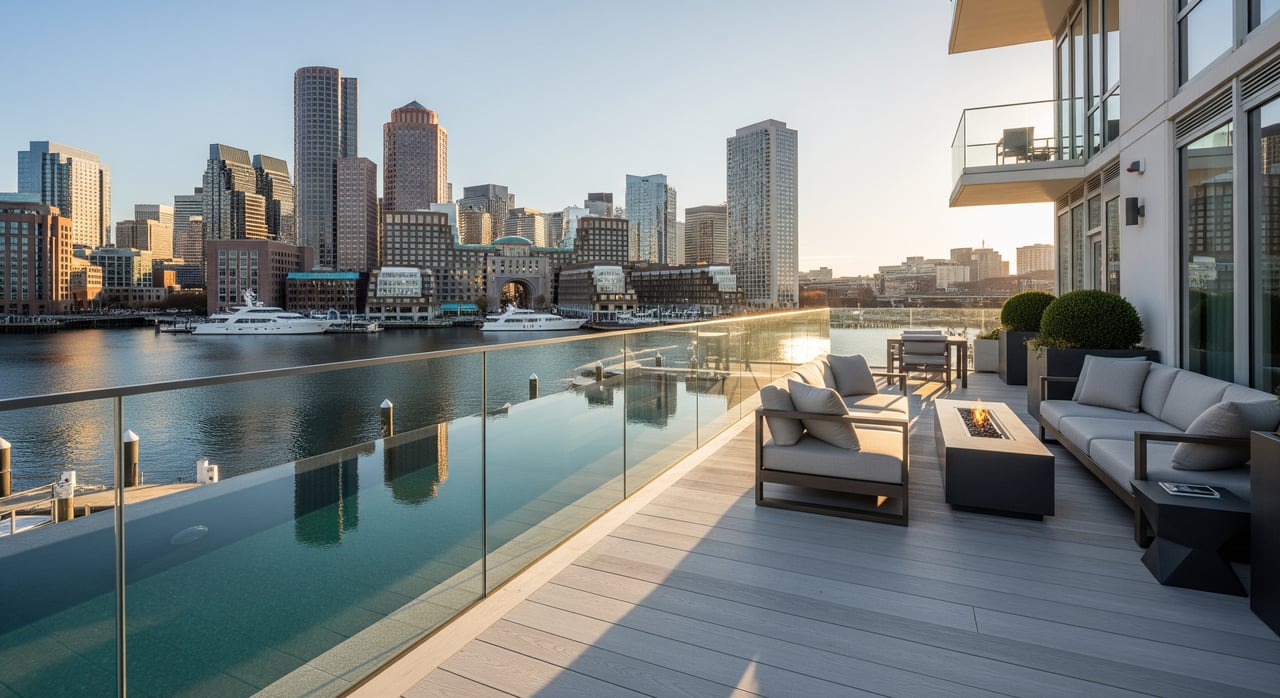
Two of Boston’s most coveted condo addresses sit along the same harbor yet feel very different. If you are choosing between the Seaport and the Downtown Waterfront, you are likely weighing lifestyle, convenience, and long-term value as much as finishes and views. In the next few minutes, you will compare vibe, buildings, amenities, transit, fees, parking, and flood resilience so you can decide which neighborhood fits your routine. Let’s dive in.
The Seaport leans modern and lively. You feel an energetic mix of offices, destination dining, and programmed events that keep evenings and weekends active. New construction and infill are common, so some blocks can have daytime construction activity. If you enjoy a buzzy neighborhood where restaurants and rooftops are close by, the Seaport delivers.
The Downtown Waterfront feels more traditional and tied to Boston’s history. Weekdays are busy with Financial District professionals, while weekends bring steady tourist traffic around Long Wharf and the Aquarium. Residential stretches along Atlantic Avenue and Rowes Wharf can feel more subdued at night compared with Seaport’s nightlife corridors.
You will find chef-driven concepts, new rooftop bars, and boutique retail clustered throughout the Seaport. The hospitality focus creates strong weekend energy. Essentials have improved in recent years, though the mix still leans toward dining and entertainment.
On the Waterfront, you tap into a mix of long-standing seafood spots, visitor-oriented venues near Long Wharf, and practical downtown services. Proximity to Faneuil Hall and downtown corridors expands your choices within a short walk, including grocery and everyday errands.
Both neighborhoods front the Boston HarborWalk, but the feel differs. The Seaport’s newer segments offer wide promenades, Fan Pier Park, pocket parks, and programmed public spaces that suit jogging and stroller loops. The Waterfront’s historic stretches connect you to Long Wharf, Christopher Columbus Park, ferry terminals, and the Aquarium. For regular boat or ferry access, the Waterfront’s Long Wharf and Rowes Wharf are primary hubs. The Seaport has water taxi stops and growing water transit options.
The Seaport is dominated by new-construction luxury towers with floor-to-ceiling glass, open layouts, designer finishes, and hotel-style amenity packages. You will commonly see full concierge, large fitness centers, lounges, and in select cases rooftop decks and pools. Parking can be available in some towers but is often sold or leased at a premium. Many residents opt for a car-light lifestyle.
On the Waterfront, building styles vary. You will see older towers, historic warehouse conversions, and a handful of newer luxury buildings near Fan Pier and Rowes Wharf. Layouts often lean more classic, with larger rooms and conventional bedroom arrangements. Amenities range widely by age and building. Older properties may have fewer bells and whistles but can still offer concierge and covered parking. Deeded parking is more commonly found in long-established Waterfront buildings.
Condo fees and operating budgets often track with amenity level and building age.
Parking and vehicles:
Leasing and rentals:
Due diligence checklist:
The Seaport is served by the MBTA Silver Line at World Trade Center and Courthouse, with direct links to South Station and Logan Airport. Private shuttles and water taxis complement bus-rapid transit. Walking to South Station for commuter rail is straightforward.
The Downtown Waterfront benefits from strong subway access. Aquarium Station connects to the Blue Line, and State Street is a short walk for the Orange and Blue lines. You can also reach Green and Red Line connections nearby, and South Station is within walking distance. Long Wharf and Rowes Wharf support MBTA and private ferries with commuter and seasonal service to harbor communities.
Driving notes:
Both neighborhoods sit on the harbor and include areas within FEMA flood zones. Newer Seaport projects often incorporate raised first floors, floodproofing, and elevated building systems. On the Waterfront, rehabilitation projects can involve resilience upgrades to meet evolving city guidance.
Smart steps for buyers:
Use your weekday routine as your guide. Map your commute during your actual hours, walk each neighborhood in the evening and on a weekend morning, and note noise, crowd density, and how the HarborWalk feels. Inside each building, review condo docs, fees, reserves, and planned projects. Compare recent in-building comps and nearby sales to understand value and resale trends. Finally, confirm parking, leasing rules, and flood resilience so there are no surprises post-close.
Ready to narrow it down with a private, curated tour of short-listed buildings that match your lifestyle and budget? Connect with Gabrielle Baron for a bespoke consultation.
Stay up to date on the latest real estate trends.
Get assistance in determining current property value, crafting a competitive offer, writing and negotiating a contract, and much more. Contact me today.