Seaport Condo Towers Comparison Guide for Buyers
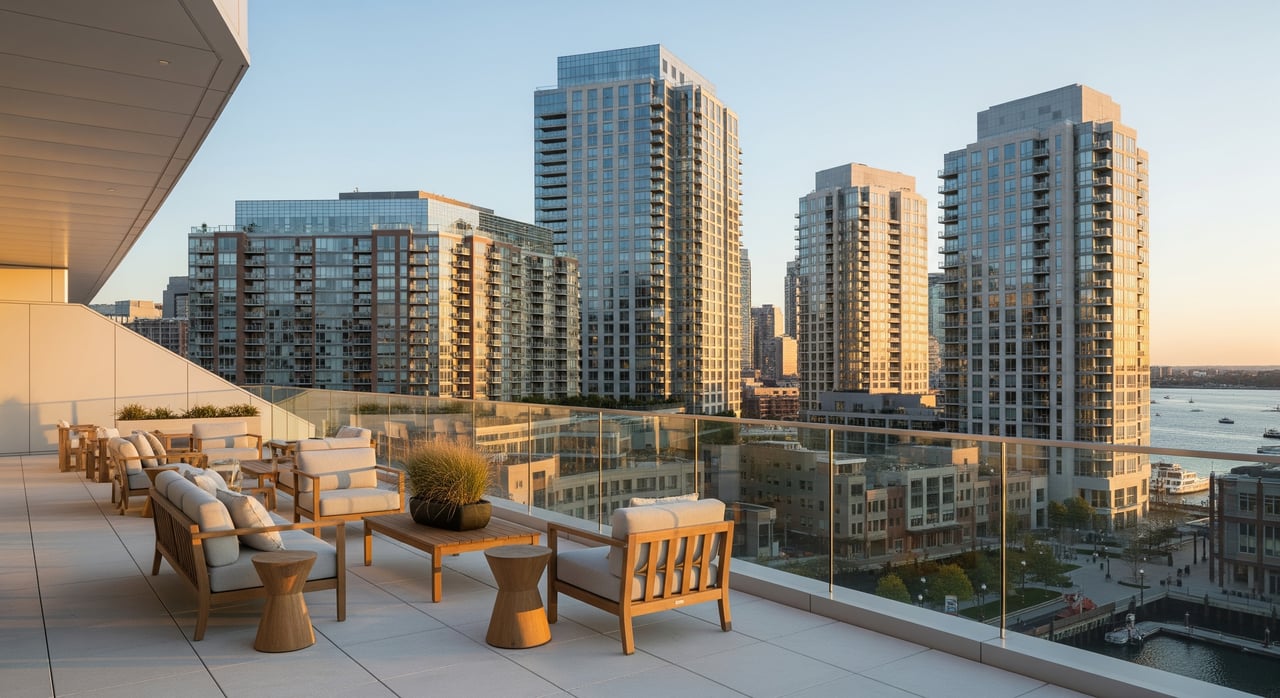
One Seaport condo can feel perfect on paper until a single detail like view permanence or parking changes the math. If you are choosing between Echelon, Pier 4, and 22/50 Liberty, you want a clear, unbiased way to compare what actually drives value and your daily experience. In this guide, you will learn how to evaluate amenities, HOA costs, views, parking, rules, risk, and resale potential so you can buy with confidence in 02210. Let’s dive in.
Seaport is a purposefully redeveloped waterfront district with dense dining, hotels, office space, and new residential towers. You can walk the Harborwalk and nearby parks, with easy access to restaurants and daily conveniences. Transit options include the Silver Line and nearby bus routes, plus quick connections to I‑93 and Fort Point. Walkability is strong for city living, though building-by-building pedestrian routes and retail access can vary by block.
Seaport is also one of Boston’s most supply-rich luxury condo submarkets. Micro-location matters. The specific building, floor, view line, and deeded parking can shift pricing and resale outcomes in a significant way. Use current MLS data for pricing checks, then adjust for the details below.
You can make a smart decision by comparing units apples-to-apples:
Echelon is positioned as a super-luxury, full-amenity product with a resort-style experience. Expect a comprehensive amenity stack and high-end finishes that attract buyers who value service and lifestyle.
Buyer considerations:
Pier 4 emphasizes direct harbor adjacency and a smaller building scale, which can feel more boutique. Many lines offer stronger water exposure, and the setting places you close to the Harborwalk and public realm along the water.
Buyer considerations:
22 Liberty and 50 Liberty offer modern luxury with efficient floor plans, contemporary finishes, and strong glass lines for harbor or skyline outlooks. Many buyers like the clean layouts that live well day-to-day.
Buyer considerations:
Typical Seaport luxury amenities include 24-hour concierge, valet or doorman service, a fitness center, spa or steam areas, indoor or outdoor pools, lounges, screening rooms, business suites, pet amenities, bike rooms, storage lockers, and package rooms.
What to verify:
Common finishes at this level include floor-to-ceiling glass, wide-plank hardwood, stone counters like quartz or Calacatta, and premium appliances such as Sub-Zero, Wolf, or Miele. Custom closets and integrated HVAC controls are also common.
What to verify:
In Seaport, views are a major value driver. Units may face the harbor, skyline, or interior courtyards. Sun exposure and evening light can change how the home feels across seasons.
What to verify:
HOA fees in luxury towers typically cover staffing, common area utilities, master insurance, general repairs, snow and landscaping, and reserves. Buildings with larger amenity footprints often carry higher monthly fees.
What to verify:
Parking can be deeded, assigned in-garage, valet, rented monthly, or not available. Storage lockers and bike rooms vary by building and by unit.
What to verify:
Each condominium sets its own rules for leasing, guests, and pets. These policies influence your lifestyle flexibility and can also affect financing.
What to verify:
You should understand the association’s master insurance policy and how it pairs with your personal HO‑6 coverage. Building systems and flood exposure are also key in a waterfront district.
What to verify:
Strong governance helps preserve value and lowers the risk of surprise assessments. Associations that plan capital projects and fund reserves responsibly are more attractive to buyers and lenders.
What to request:
Use price-per-square-foot as a starting point, then adjust for the specific value drivers in each building. Higher floors, unobstructed views, deeded parking, and turnkey condition often justify a premium.
Negotiation levers to consider:
If you plan to resell in the next 3–7 years, lean into the features that broaden your future buyer pool and protect value.
Work from a single, consistent worksheet for each unit you tour. Track list price, price per square foot, HOA, taxes, parking status and deed, storage, year built, floor, view orientation, finishes and appliance brands, amenities, comps, days on market, and any seller concessions.
Order the condo documents early and have your attorney review them before you write or finalize terms. Confirm with your lender that the association meets underwriting standards, especially if you plan to use conventional or government-backed financing. For view-critical units, check city filings and recent permits to understand development that may alter sightlines. Ask for the latest meeting minutes and clarity on planned projects or assessments before you commit.
When you want seasoned guidance on these buildings, a well-briefed advisor can save you time and help you avoid costly surprises. If you value concierge-level management and strong negotiation support, schedule a confidential conversation with Gabrielle Baron. You will benefit from hands-on buyer representation, project-sales expertise, and access to brokerage tools that can strengthen your offer strategy.
Stay up to date on the latest real estate trends.


Get assistance in determining current property value, crafting a competitive offer, writing and negotiating a contract, and much more. Contact me today.