Back Bay Isn't Spreading Out This Summer. It's Building Up.
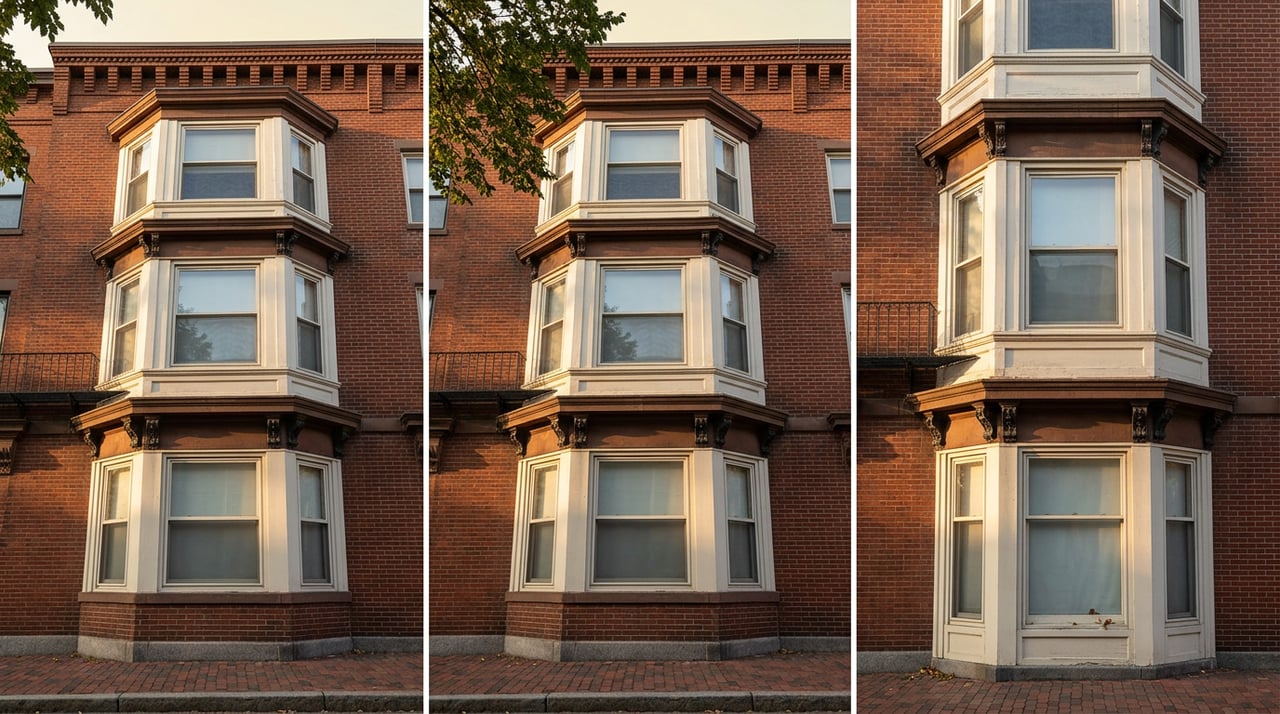
Walk the eight blocks of Newbury Street this month and you might conclude that nothing much has changed. The storefront count looks roughly the same as it did last winter. No new construction cranes, no widened sidewalks, no expansion past Massachusetts Avenue. But that reading misses what's actually happening above your head and up the stairs you've been walking past for years. Back Bay's most interesting openings in 2026 aren't claiming new ground. They're stacking inside buildings that were already there.
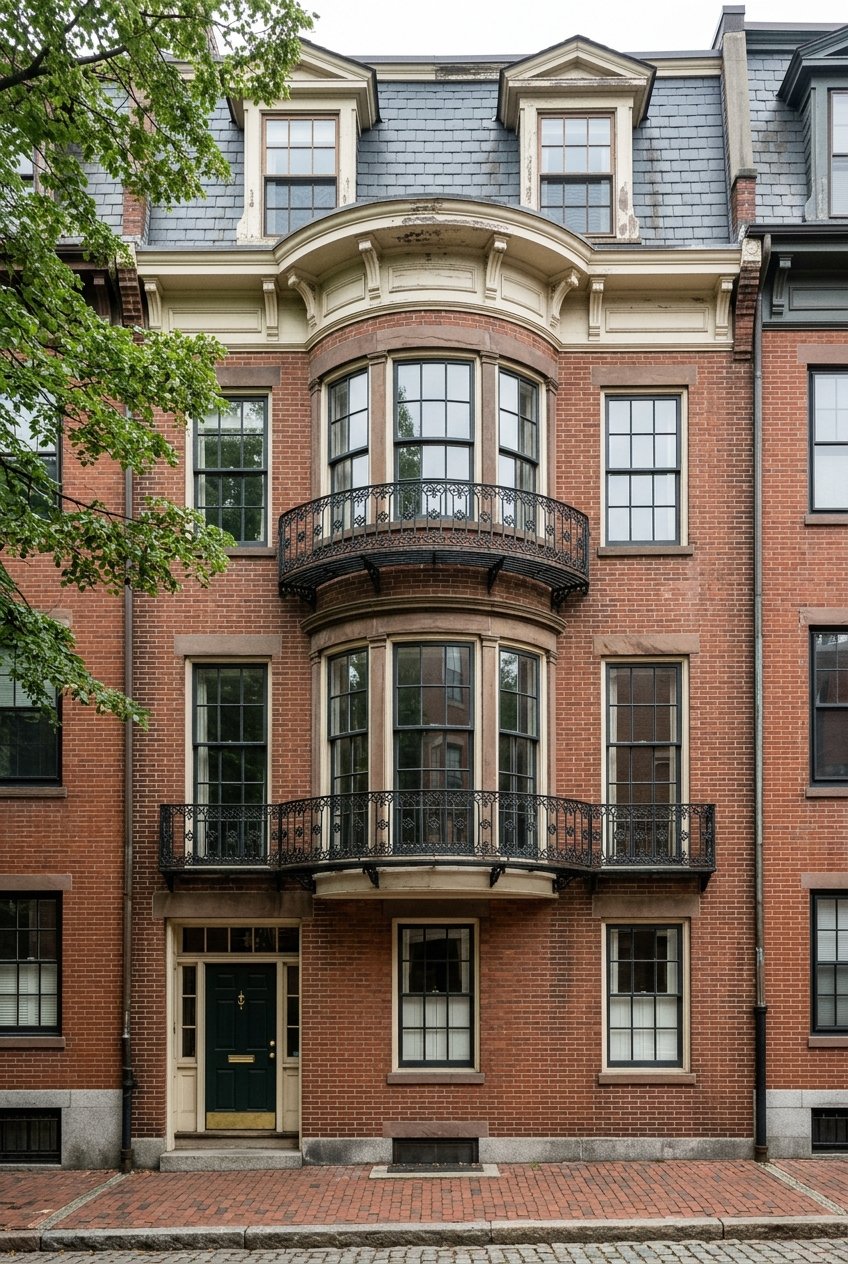
That distinction matters more than it sounds like it should. Back Bay's rowbuilding stock was platted in the late nineteenth century on narrow, fixed lots. There's no room to widen a storefront on Newbury Street the way a suburban strip mall might add a new bay. What landlords and brands are doing instead is building up and back inside the envelope they already control. If you've noticed more going on per address rather than more addresses, you're not imagining it.
The clearest example sits at 400 Newbury, inside the Lyrik development. At street level, Rosa y Marigold opened this spring as the biggest venture yet from JuanMa Calderón and Maria Rondeau, the duo behind Somerville's Celeste and Cambridge's La Royal. It's a 100-seat restaurant serving Peruvian classics and new chifa dishes, and it runs lunch through late night, a scheduling choice their older, smaller locations couldn't support.
One level up, in the same building, Avra Estiatorio opened its own Back Bay outpost. The upscale Greek seafood chain, with sibling locations in Beverly Hills, Miami, and New York, brought charcoal-grilled Mediterranean fish and a sprawling white-tablecloth room to the floor directly above Rosa y Marigold's dining room. And a few doors down on the same stretch of Newbury, Nana's Green Tea, the Tokyo-born matcha chain, opened its café in July.
That's three distinct concepts, three different cuisines, and two of them literally stacked on top of each other in the same building. Calderón has been candid about why a location like this appealed to him, despite its being less of a fixed neighborhood crowd than his earlier spots:
"We have tourism, because we're at the hub of Boston, and we have students, and we have the neighborhoods."
Lyrik's own materials describe more of the same coming through the rest of the year: additional tastemakers and retailers filling out the building rather than the block expanding outward. The model here isn't more storefronts along Newbury. It's more floors inside the ones that already exist.
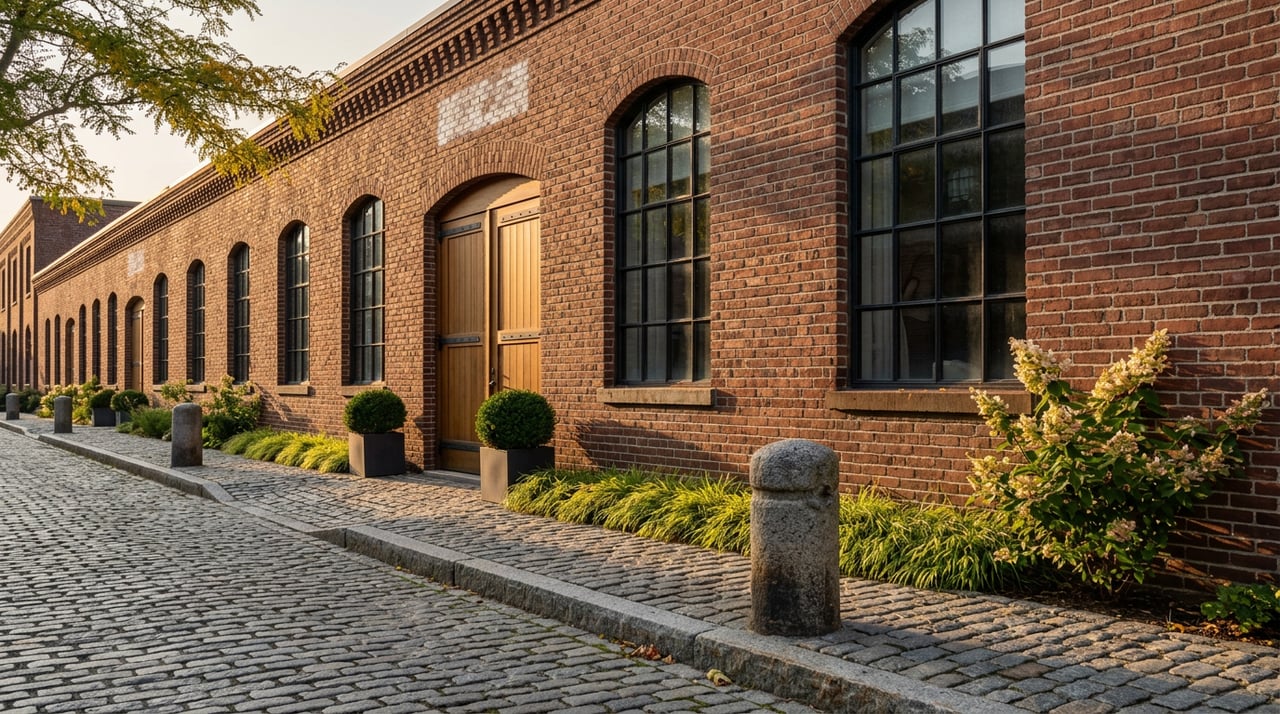
A few blocks over, the same pattern shows up in a very different kind of business. Swingers, the London-born "crazy golf and carnival" brand, opened its first New England location at 777 Boylston Street in February. The space spans more than 20,000 square feet across two levels, built inside what had been a single ground-floor retail storefront. Rather than tear the space down, the operators kept the exposed brick and timber beams that were already there and built two nine-hole mini-golf courses, multiple cocktail bars, and a Belle Époque-style arcade room into the existing shell.
The Back Bay Association's executive director, Meg Mainzer-Cohen, called it:
"the ultimate active lifestyle addition to the Back Bay"
There's a local ownership thread here worth noting. Swingers partnered with Tavistock Restaurant Collection, the group behind two Back Bay steakhouse and seafood institutions, Abe & Louie's and Atlantic Fish Company. A related arm of the same Tavistock Group actually owns the 777 Boylston building itself. That's not an outside chain parachuting into an empty storefront. It's an existing Back Bay operator reinvesting in its own real estate, choosing to go up and in rather than expand elsewhere. One reporter covering the opening framed it as evidence of "a slow but steady rebound along the iconic Back Bay stretch," which tracks with what the storefront math actually shows: the square footage in play grew, even though the address didn't change.
Retail on Newbury Street has followed the identical logic this year:
Neither brand needed a new building. Both needed more space than a single Back Bay storefront traditionally offers, and both found it by building upward inside a footprint that was already fixed by 1890s lot lines.
None of this changes your commute or your view. It does change how you should think about what "new" means on this street. A headline that reads "three new restaurants open in Back Bay" undersells what's happening if two of those three are stacked in the same building. The neighborhood's historic scale, the thing that keeps Newbury Street from ever looking like a generic retail corridor, is staying exactly as it is. What's changing is how much a landlord or a brand can justify building inside that scale, which is itself a signal about how much confidence there is in the corridor's staying power.
It also means your radius for a good night out just got smaller without you noticing. You don't need to walk another block for a different cuisine or a different kind of evening. Increasingly, you need to take an elevator or a staircase.
A few dates worth putting on the fridge while we're here:
Open Newbury Street keeps closing Newbury to cars, from Berkeley Street to Massachusetts Avenue, on select Sundays through the fall. The remaining 2026 dates are August 23, September 6, September 13, September 20, and October 11, running 10 a.m. to 6 p.m. each time, with an additional December date to be announced closer to the holidays.
Dine Out Boston, the city's semi-annual prix-fixe program, wraps up its summer run on August 15. Back Bay's own Restaurant Week directory lists the neighborhood's participating dining rooms, with lunch menus at $27, $32, or $36 and dinner at $38, $46, or $55.
Copley Square Farmers Market runs Tuesdays and Fridays, 11 a.m. to 6 p.m., through November 24, at the newly renovated McKim Plaza outside the Boston Public Library's central branch. It's Boston's largest farmers market, with more than three dozen vendors rotating through, from Kimball Fruit Farm and Red's Best to newer additions like Lakon Paris Patisserie.
None of these events required a new building either. They just make better use of the public space Back Bay has always had, which is really the same story as everything above.
The block hasn't gotten any longer this year. It's gotten taller, and if you know where to look, that's the more interesting version of the story.
Gabrielle Baron has spent years watching Back Bay's buildings evolve from the inside, from new-development sales at One Dalton to the storefronts and condos that make this neighborhood what it is. If you're curious how a specific building or block here has changed in ways that might matter to your own plans, BostonBaron is always glad to talk through it. Schedule a private consultation whenever the timing feels right.
Stay up to date on the latest real estate trends.
Get assistance in determining current property value, crafting a competitive offer, writing and negotiating a contract, and much more. Contact me today.