Your Seaport Waterfront Weekend Guide in Boston
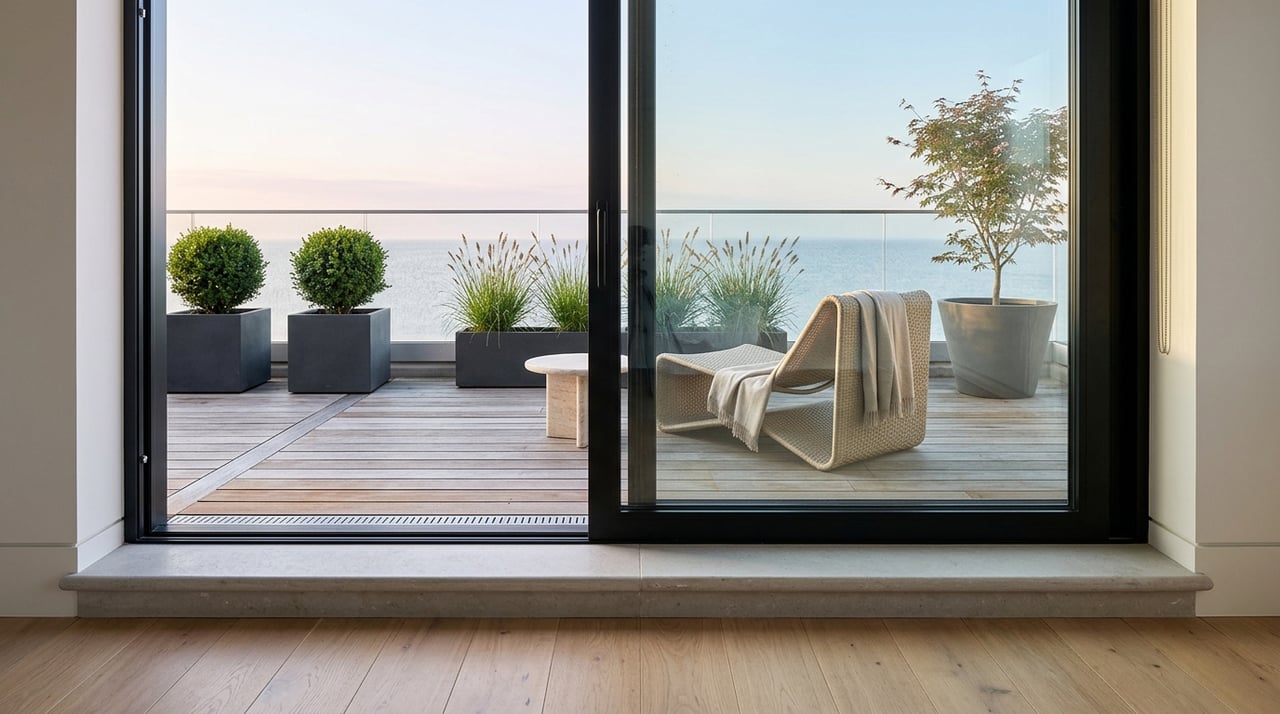
Looking for a Boston weekend that feels polished, walkable, and genuinely tied to the harbor? In Seaport and the Waterfront, locals often build their time around public spaces, short walks, and a mix of culture, dining, and water views rather than one big attraction. If you want to understand how this part of 02210 really lives on a weekend, this guide will show you the rhythm, the best kinds of stops to make, and how to move through the area with ease. Let’s dive in.
The area many people call Seaport is part of what Boston planning materials describe as the South Boston Waterfront. In everyday life, Seaport, Fort Point, Fan Pier, the Seaport World Trade Center area, and nearby waterfront destinations often feel like one connected harbor district.
That connected feeling matters. Instead of operating like a single small neighborhood with one main street, this part of Boston is shaped by the water, broad public walkways, and destinations that flow into each other. You can move from coffee to a museum, from a park to lunch, and from dinner to harbor views without breaking the day into separate trips.
A big reason is the Harborwalk. Boston Harbor Now describes it as a near-continuous 43-mile linear park linking waterfront neighborhoods, parks, museums, beaches, restaurants, stores, and transit-oriented destinations across the city.
In Seaport and the Waterfront, that path gives the neighborhood its weekend rhythm. The waterfront feels open and usable because Harborwalk is designed as a public walkway along the water’s edge, supported by Boston’s waterfront planning and public access rules.
If you want to spend the area like a local, start outside. Morning is when Seaport and the Waterfront often feel most relaxed, with people walking dogs, heading out for a run, grabbing coffee, or taking a casual stroll along the harbor.
The Harborwalk is the natural starting point because it connects so much of the district. Rather than planning around a single landmark, you can simply begin at the water and let the day unfold from there.
That is part of the appeal for residents and repeat visitors. The area rewards movement, and even a short walk can connect you to public art, open views, dining, museums, and green space.
A typical local-style morning in this area might include:
This sequence works because the neighborhood is easy to experience on foot. Boston planning materials also point to strong access via I-90, the Silver Line, and MBTA buses, which helps make the district feel connected even if you arrive without a car.
One of the strongest parts of a Seaport weekend is how easily outdoor time blends into culture. After a walk on the Harborwalk, you can shift into a museum or family-friendly stop without changing the tone of the day.
The Institute of Contemporary Art, Boston at 25 Harbor Shore Drive is one of the district’s signature cultural anchors. The museum notes that it is in the Seaport district, a short walk from Courthouse and World Trade Center stations, and recommends public transportation because parking is limited.
That makes it an easy addition to a car-light weekend plan. For many locals, the ICA works best as a late-morning stop that adds structure to the day without pulling you away from the waterfront atmosphere.
For families, the Boston Children’s Museum at 308 Congress Street is a strong midday anchor. The museum says it is accessible from South Station and the Silver Line Waterfront, with current summer hours running daily from 9:00 a.m. to 4:00 p.m.
Right next door, Martin’s Park at 64 Sleeper Street adds another easy stop. The City describes it as an inclusive, climate-resilient play space for children, families, and visitors of all abilities.
Together, these two destinations show that Seaport is not just about restaurants and newer buildings. It also supports a practical, family-friendly weekend with outdoor space and indoor activities within a short walk.
If you want a different kind of cultural stop, the Boston Tea Party Ships & Museum on the Congress Street Bridge adds a historic layer to the area. Its harbor setting and immersive focus on the Boston Tea Party give the district a useful contrast to the modern skyline and newer waterfront buildings.
This is part of what makes the area feel balanced. You are not choosing between scenic and substantial. In Seaport and the Waterfront, you can usually have both in the same afternoon.
Once you have spent the morning walking or visiting a museum, lunch becomes the natural next move. In this part of Boston, dining often acts as the transition between one public-space experience and the next.
The dining scene here tends to lean toward seafood, harbor views, patios, and polished but relaxed settings. That gives the weekend a sense of ease, especially when you can step from a waterfront walk straight into brunch or lunch.
Row 34 Seaport at 383 Congress Street is one of the clearest examples of the district’s casual-but-refined dining style. Located in a renovated Fort Point textile warehouse, it highlights local seafood, a raw bar, and a patio setup that fits the neighborhood’s indoor-outdoor feel.
For a weekend plan, it works well for either lunch or dinner. It also reflects a big part of Seaport’s personality, where older industrial spaces and newer waterfront development meet in a polished but approachable way.
Woods Hill Pier 4 is a strong option if you want your meal to feel distinctly tied to the harbor. The restaurant notes its location at the end of Pier 4 overlooking Boston Harbor and offers brunch on Saturdays and Sundays, along with dinner service.
If your ideal weekend includes a slower pace and a longer table by the water, this is the kind of stop that makes the district memorable. It turns a meal into part of the experience, not just a break in the day.
One of the best things about spending a weekend in Seaport and the Waterfront is that the afternoon does not need a strict script. Because so much is connected by foot, you can choose a second museum stop, circle back to the Harborwalk, or keep things simple with time by the water.
That flexibility is what gives the area a lived-in feel. You are not racing across the city. You are moving through a district designed around public access, open space, and easy transitions.
On a nice day, the smartest move is often the simplest one. Stay outside, keep walking, and let the waterfront guide the pace.
You might spend the afternoon:
Rain does not end the plan here. The neighborhood still works well because it has strong indoor anchors, including the ICA, Boston Children’s Museum, Boston Tea Party Ships & Museum, and hotel dining options along the waterfront.
That matters if you are deciding whether the area is practical year-round. A good Seaport weekend does not depend on perfect weather, even if sunshine certainly helps.
As the day shifts into evening, locals often return to the water in a different way. Instead of using it as a walking route, they use it as the backdrop for dinner, drinks, or a slower end to the night.
That final transition is one of the district’s biggest strengths. Morning feels active, midday feels social, and evening becomes scenic without requiring much travel.
Boston Harbor Hotel and Rowes Wharf support a more polished evening plan. Official property information highlights city and harbor views, several food and beverage options, and water taxi access from March through December.
If you want your weekend to end on a quieter, more elevated note, this stretch of the waterfront is a natural fit. It offers the harbor setting people come to Boston for, paired with a composed evening atmosphere.
A local-style weekend in Seaport works best when you keep transportation simple. The district has strong transit access, and many of its most useful stops are close enough together that walking becomes part of the experience.
Boston planning materials highlight access to I-90, the Silver Line, and MBTA buses. The Seaport TMA also notes commuter ferry, water taxi, and water-bus options.
Here are a few practical transportation notes to keep in mind:
Parking can be limited, especially around major destinations. The ICA specifically recommends public transportation, and that advice is a good fit for the broader weekend experience in this district.
In warmer months, Seaport and the Waterfront can also serve as a launch point for a bigger harbor day. If you want to stretch your weekend beyond the immediate neighborhood, the water gives you a natural next step.
Boston Harbor Islands ferries operate seasonally from May through October, with current service to Spectacle, Georges, and Peddocks Islands. That makes a harbor-island outing a realistic add-on if you want to combine urban waterfront time with a more excursion-style experience.
The most local part of Seaport is not one restaurant or one attraction. It is the repeatable rhythm of the place.
You start with the Harborwalk. You add a museum, a park, or a family stop. You break for seafood or brunch. Then you drift back toward the water for the afternoon and finish with harbor views in the evening.
That pattern is why the district appeals to so many different kinds of residents and visitors. It feels active without being hectic, polished without being formal, and scenic without requiring much planning.
If you are exploring Boston neighborhoods with lifestyle in mind, Seaport and the Waterfront show how public space, culture, and dining can shape day-to-day living just as much as the buildings themselves. If you are considering a move within central Boston or want guidance on the lifestyle differences between Seaport, Back Bay, and other core neighborhoods, Gabrielle Baron can help you navigate your options with local insight and a highly personalized approach.
Stay up to date on the latest real estate trends.
Get assistance in determining current property value, crafting a competitive offer, writing and negotiating a contract, and much more. Contact me today.