Understanding South End Boston’s Condo and Brownstone Market
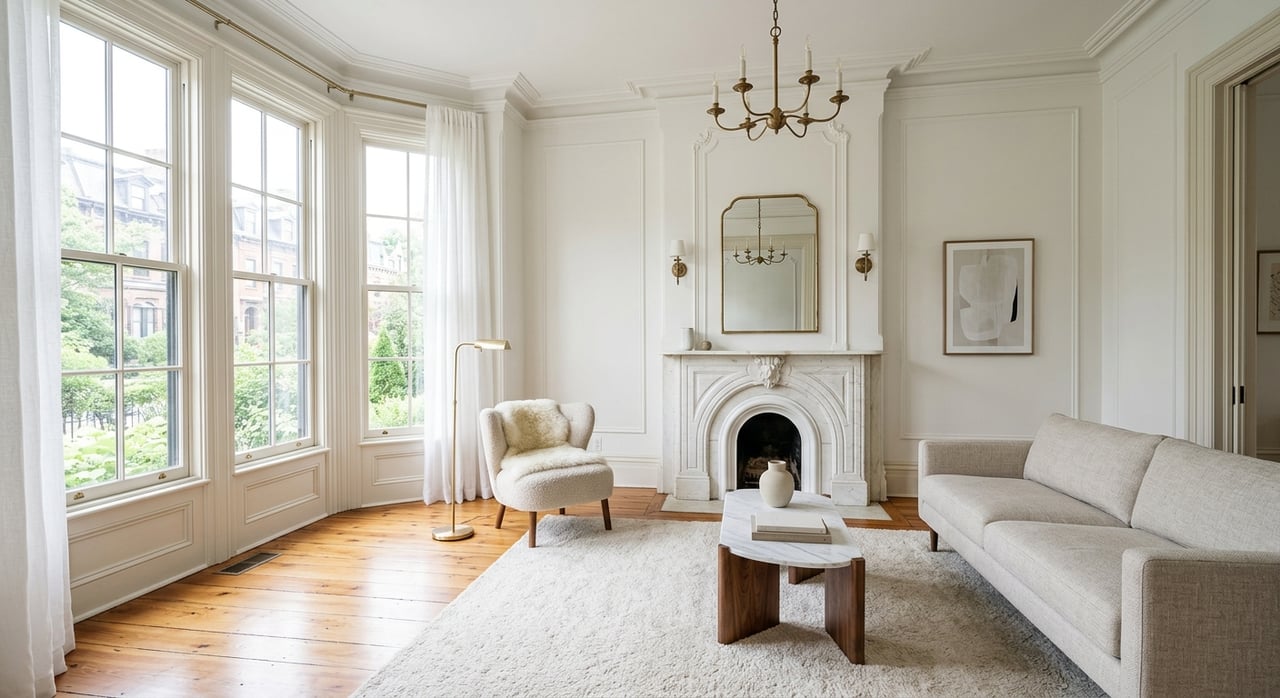
If you are trying to make sense of South End real estate, you already know one thing: this is not a one-size-fits-all market. A penthouse in a classic brownstone, a loft near Harrison Avenue, and a newer amenity-rich condo can all sit in the same neighborhood while offering very different lifestyles, price points, and resale dynamics. This guide will help you understand how South End Boston’s condo and brownstone market really works, what drives value, and what to watch whether you plan to buy or sell. Let’s dive in.
The South End is one of Boston’s most recognizable residential neighborhoods and an officially designated landmark district. City planning materials describe it as an elegant area built on filled tidal flats, known for Victorian townhouses, small parks, and long rows of 19th-century rowhouses. It is also described by the City of Boston as the largest Victorian residential district in the United States.
Today, the housing stock is compact and heavily condo-focused. Boston planning data for 2025 shows that 47.3% of housing units are studios or one-bedrooms, 36.8% are two-bedrooms, and 15.9% are three-bedrooms or larger. That mix helps explain why the South End market centers on condo conversions, boutique brownstones, and smaller urban floor plans rather than detached single-family homes.
The neighborhood also reflects a highly urban lifestyle. According to the city’s 2025 profile, 37.6% of households have no vehicle, 29.6% of resident workers walk to work, and 23.1% work primarily from home. For many buyers, that walkability and convenience are a major part of the South End’s appeal.
Recent market data shows a high-value market with meaningful inventory, but not a uniform pace. Redfin reports a median sale price of $1,287,067, up 0.9% year over year, with homes averaging 23 days on market. Zillow reports a median sale price of $1,950,000, a median list price of $1,160,833, and a median 25 days to pending, while Realtor.com shows a median listing price around $1.1 million and homes selling about 1.33% below asking on average.
These figures do not match exactly because each platform tracks different data windows and metrics. Still, the broader pattern is clear: South End remains expensive, buyers have options, and pricing strategy matters. Homes that show well and are positioned correctly can still move quickly, while others may sit longer if the condition, product type, or asking price misses the market.
One of the biggest mistakes buyers and sellers make is treating all South End homes as direct comps. In reality, value often depends more on property type than on the neighborhood name alone.
Current condo inventory shows a broad range:
That spread is why pricing in the South End requires a close read of the specific home. A parlor-level brownstone unit with historic detail may attract a different buyer than a concierge building with garage parking, even if the asking prices are similar.
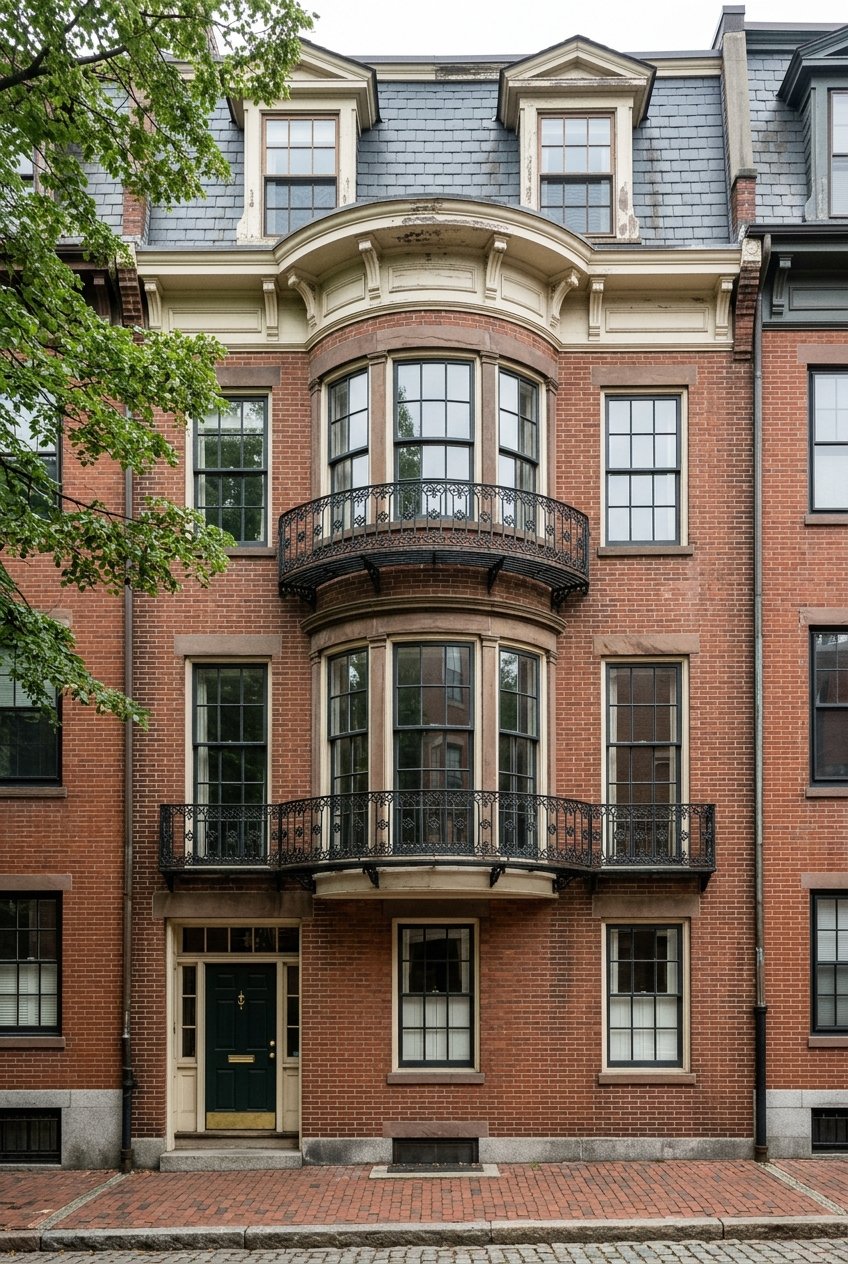
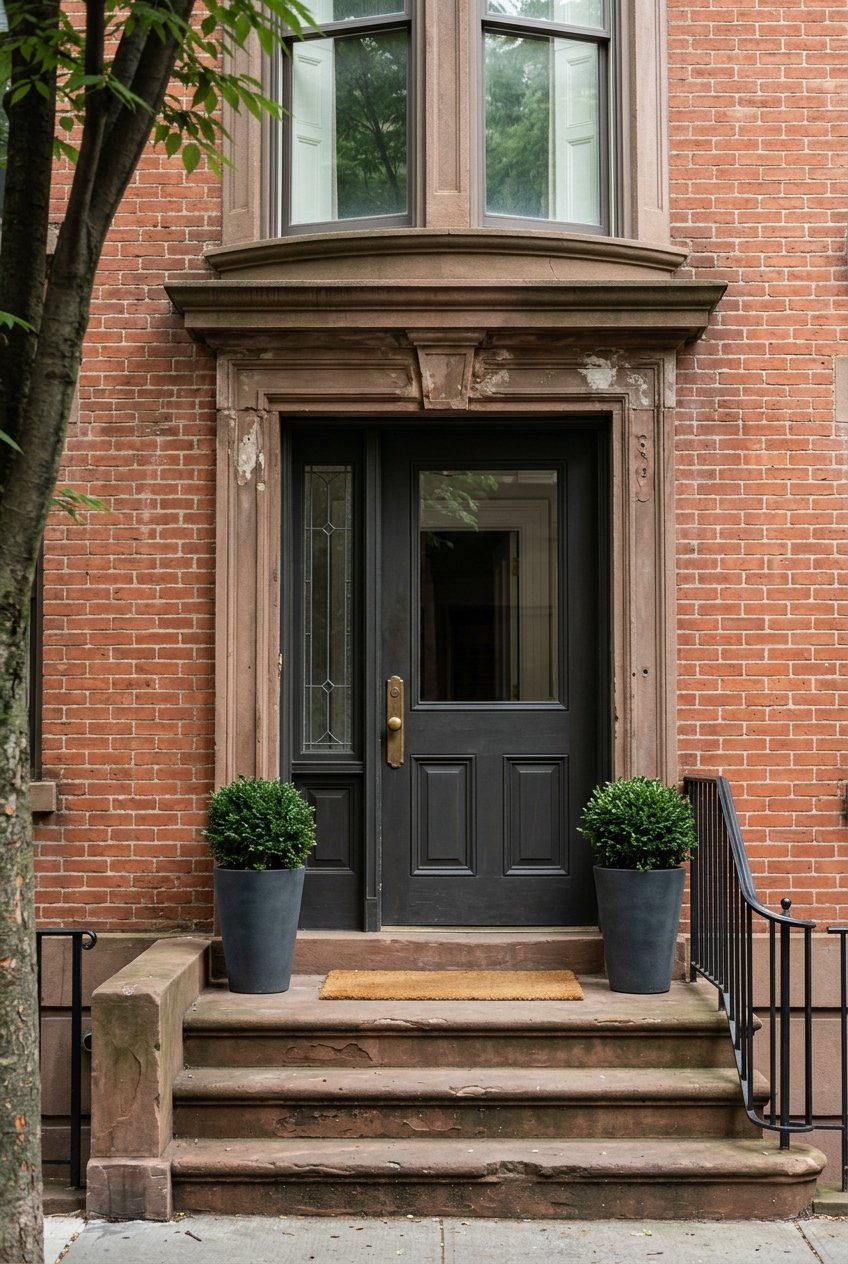
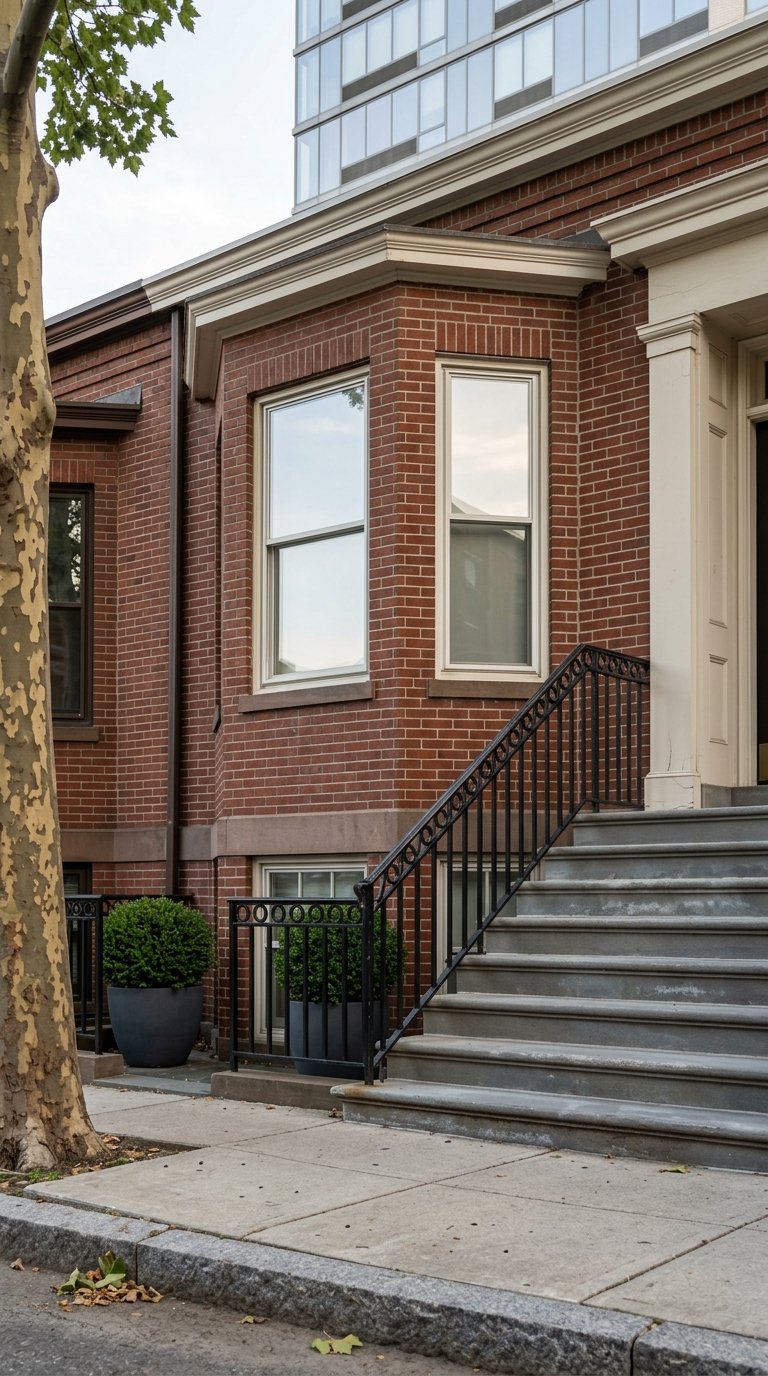
When many people picture the South End, they are thinking of the brownstone-core blocks around places like Union Park, Concord Square, Worcester Square, Rutland Square, Blackstone Square, and Franklin Square. These areas are known for converted rowhouses, bow-front homes, duplexes, and penthouses with original character and a strong sense of place.
This housing stock is especially distinctive because the South End Landmark District helps preserve the visible exterior character of these 19th-century Victorian rowhouses. That means exterior changes visible from public ways are subject to review, which helps protect the streetscape and also makes this type of product hard to replicate.
For buyers, that can support long-term appeal. For sellers, it means that features like facade condition, stoop presentation, roof rights, outdoor space, and parking can have a major effect on value. In this segment, details matter, and two homes on the same block can perform very differently.
Brownstone buyers are often drawn to features that are difficult to find in newer buildings. These may include:
Because this inventory is limited and highly differentiated, buyers usually need to look beyond bedroom count alone. Layout, renovation quality, natural light, and building setup can all shift value in meaningful ways.
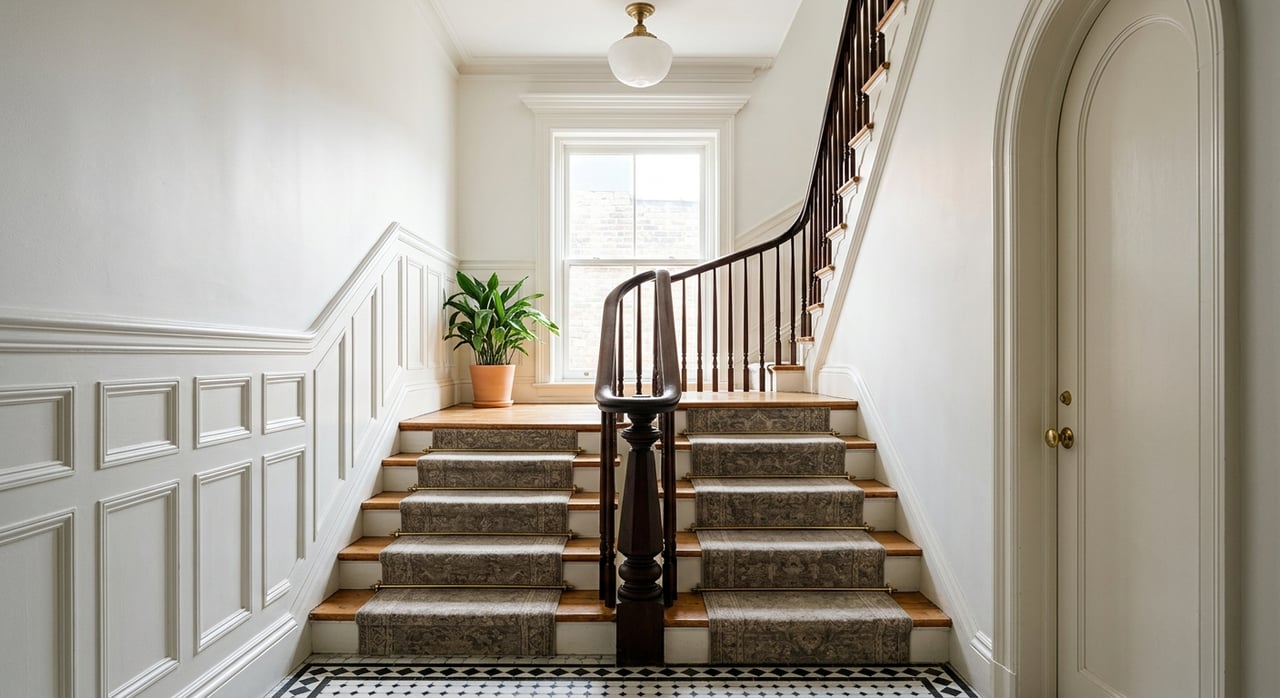
If you own a brownstone condo or townhouse-style residence, presentation is especially important. Buyers in this segment tend to notice entry experience, common-area condition, finishes, and whether the historic character feels well preserved and thoughtfully updated.
You should also plan carefully if exterior work is involved before a sale. Boston notes that visible exterior changes in the South End Landmark District should be reviewed, so timelines for facade or exterior improvements may not be as simple as they are in other neighborhoods.
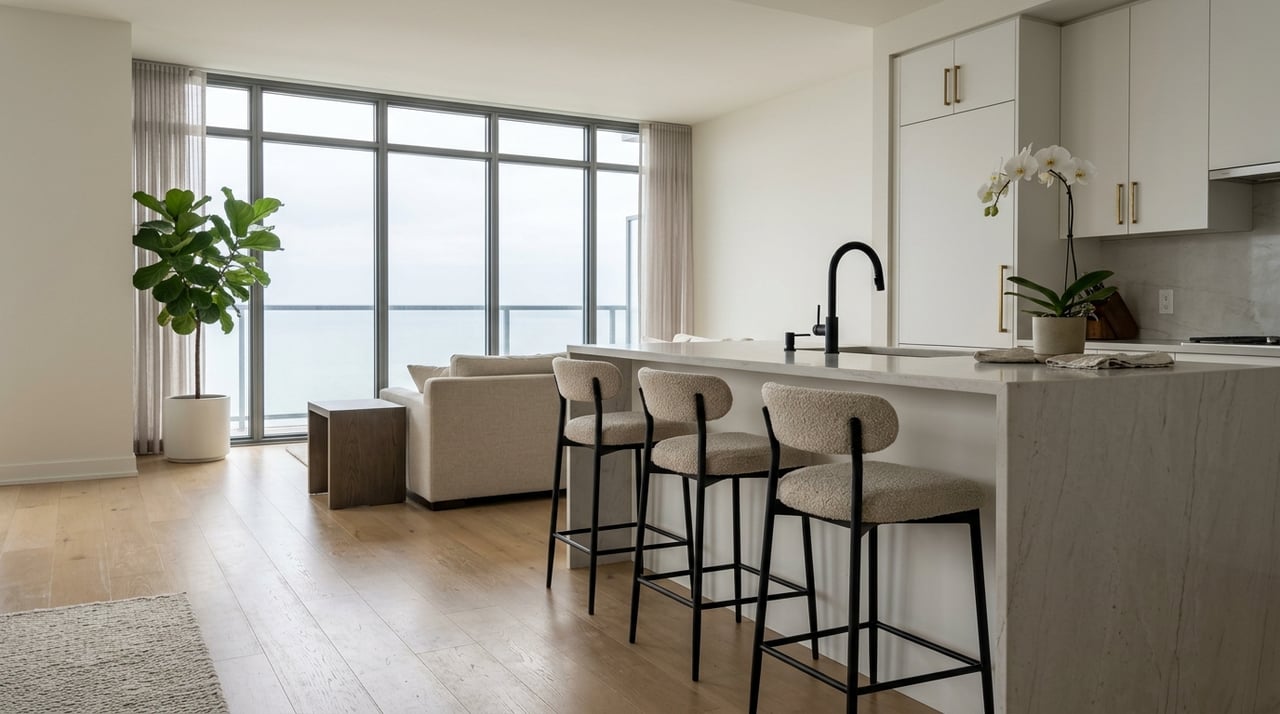
Not every South End buyer wants a traditional brownstone. Areas around Harrison Avenue, Washington Street, Traveler Street, and Ink Block offer a different product mix, often centered on loft-style spaces, newer conversions, and amenity-driven buildings.
SoWa, in particular, is known as the South End’s art and design district. It includes reclaimed warehouse buildings, galleries, artist studios, and a residential feel that stands apart from the more formal brownstone streets. Buyers who gravitate here are often looking for open layouts, elevator access, garage parking, and a more contemporary finish level.
Recent examples show how wide the range can be in this segment. A one-bedroom loft at 485 Harrison Avenue sold for $730,000, while units at 771 Harrison have been listed from the high-$700,000s to around $1.6 million. At the higher end, a residence at 32 Traveler Street in Ink Block is listed at $2.8 million, with a 2015 build date and a monthly HOA of $2,950.
In newer and more full-service buildings, buyers often weigh a different set of priorities than they do in brownstones. Value may be shaped by:
For some buyers, these features justify a higher monthly carrying cost because they support convenience and lower day-to-day maintenance. For others, the charm and lower-fee structure of a smaller brownstone building may feel like the better fit.
South End inventory does not move at one consistent pace. Listing examples in the current market show that one property was on the market for 6 days, another for 51 days, and another for 86 days. That is a big swing within the same neighborhood.
This tells you something important: speed is tied closely to product, pricing, condition, and buyer expectations. A newer, well-positioned unit with strong amenities may attract immediate interest, while an overpriced or more niche brownstone layout may take longer, even if the address is appealing.
For sellers, this is why precise pricing and polished presentation matter so much. For buyers, it means that some opportunities may move fast while others leave room for more measured negotiation.
People often talk about the South End as if it is one market, but in practice, buyers compare very specific pockets. The classic square-and-brownstone core feels different from Tremont’s restaurant corridor, and both feel different from SoWa or Ink Block.
Main streets commonly associated with the neighborhood include Tremont, Columbus, Shawmut, West Canton, Chandler, Massachusetts Avenue, Harrison Avenue, and Washington Street. Homes near the Back Bay edge or major transit connections may also appeal to buyers who are comparing the South End with Back Bay, Downtown, or Fenway.
That means location inside the neighborhood can shape demand in subtle but important ways. Some buyers want a quieter brownstone block near a square, while others prioritize access to dining, galleries, or a newer building with amenities.
City and planning materials show a neighborhood with a strong share of one-person households, high educational attainment, and above-average household income. In 2025, the South End had 34,582 residents, a median household income of $119,144, and 46.6% one-person households.
Those numbers help explain why the market often aligns with buyers who want walkability, convenience, and turnkey urban living. In practical terms, that can include professionals, couples, downsizers, relocating buyers, and people looking for a refined city home without a large footprint.
A smaller share of households includes children under 18, and the housing stock skews toward smaller units. That does not limit who can buy here, but it does reinforce the idea that the South End is primarily a condo-driven urban market with highly specific lifestyle appeal.
If you are shopping in the South End, start by narrowing the kind of ownership experience you want before you focus on list price alone. A brownstone condo, a loft conversion, and a newer full-service building can offer very different tradeoffs in privacy, maintenance, monthly costs, and resale profile.
It helps to ask:
When you answer those questions early, your search becomes much clearer. You can compare the right homes instead of chasing every listing that happens to fall within your budget.
If you plan to sell in the South End, your strategy should reflect your exact product type and buyer pool. A penthouse brownstone with roof rights should not be marketed the same way as a newer concierge condo near Ink Block.
In this neighborhood, the strongest sale outcomes often come from a combination of sharp pricing, polished presentation, and a marketing story that matches the home. Buyers here tend to be discerning, and they are often comparing not just square footage, but finish level, building style, location within the neighborhood, and ease of ownership.
That is where a detailed, tailored plan matters. The right preparation and positioning can help your home stand out in a market where inventory exists and buyers are selective.
If you are considering a move in the South End and want a thoughtful, high-touch strategy for buying or selling a condo, brownstone, or luxury residence, Gabrielle Baron offers discreet guidance rooted in central Boston market expertise.
Stay up to date on the latest real estate trends.
Get assistance in determining current property value, crafting a competitive offer, writing and negotiating a contract, and much more. Contact me today.