Beacon Hill Buyer Guide to Historic Condos and Townhomes
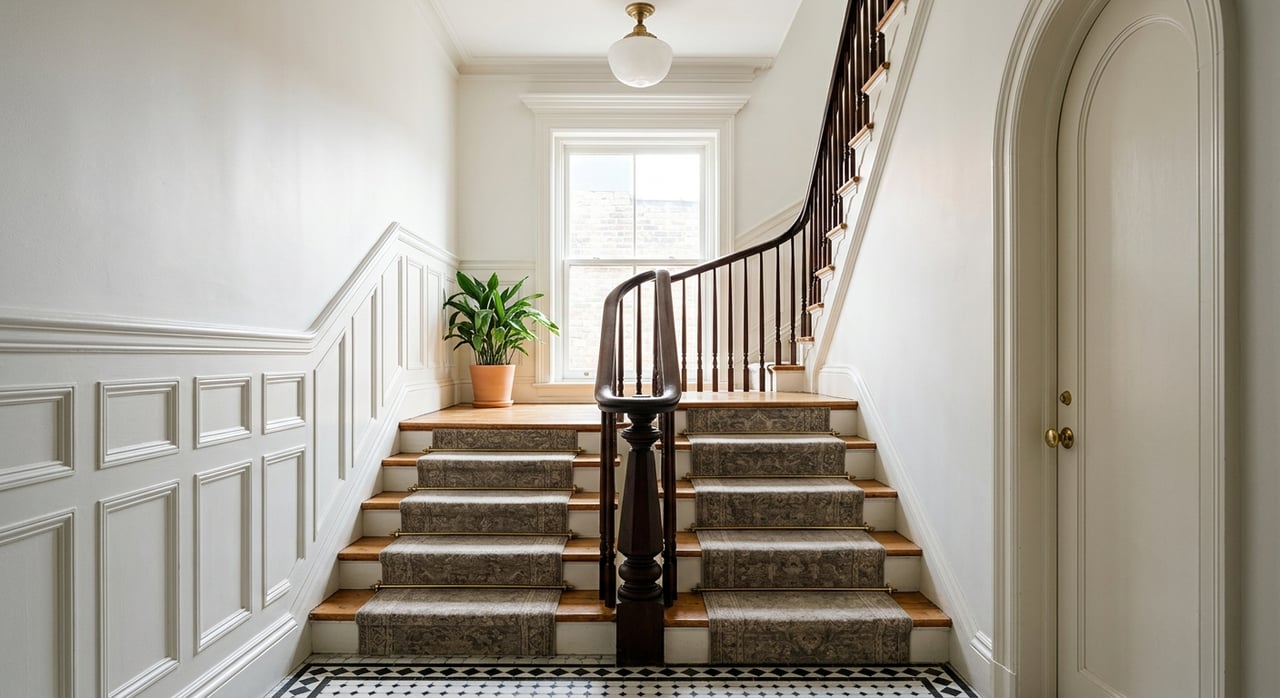
Thinking about buying in Beacon Hill? A beautiful parlor floor, a tucked-away townhouse, or a top-floor condo can be incredibly appealing, but in this neighborhood, the details behind the walls and on paper matter just as much as the finishes. If you are considering a Beacon Hill purchase, this guide will help you understand how historic building types, condominium documents, and local preservation rules can shape your decision. Let’s dive in.
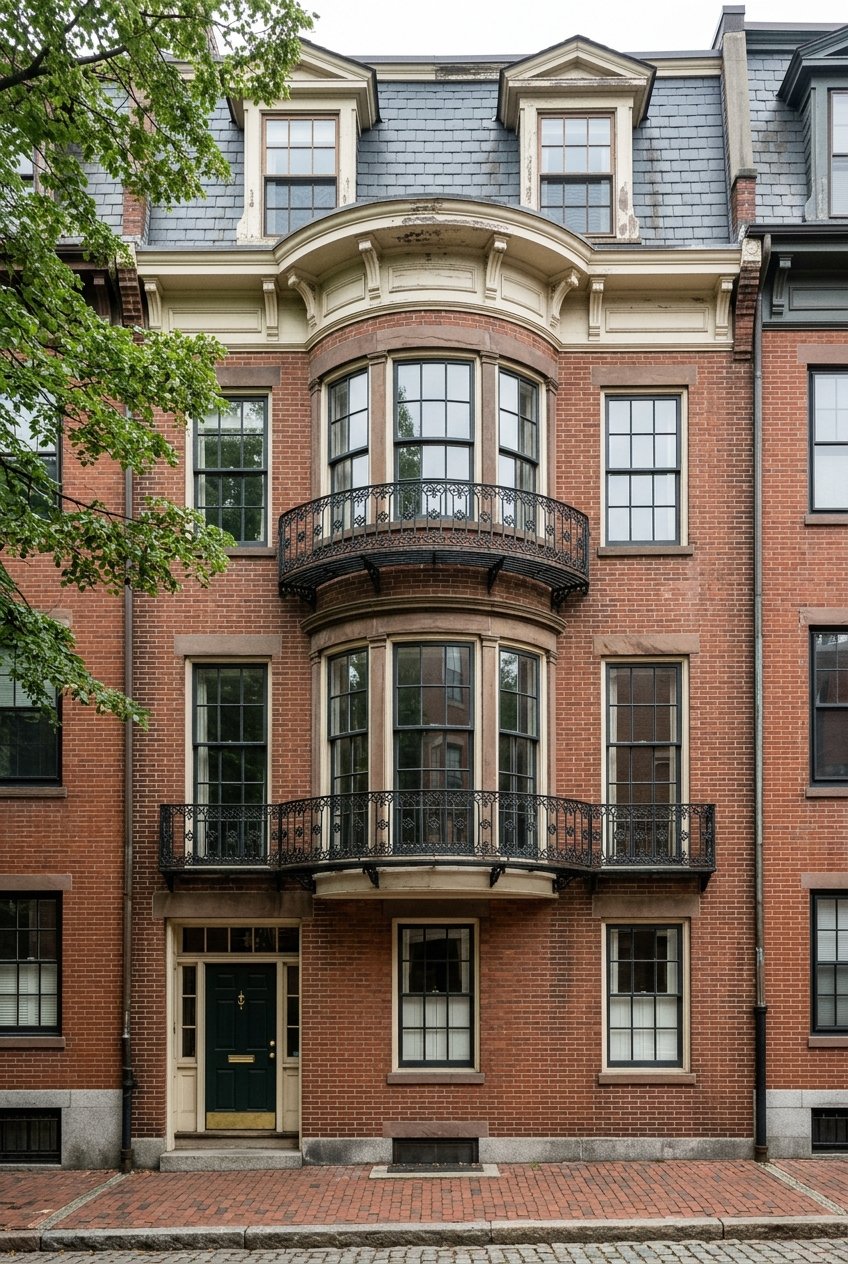
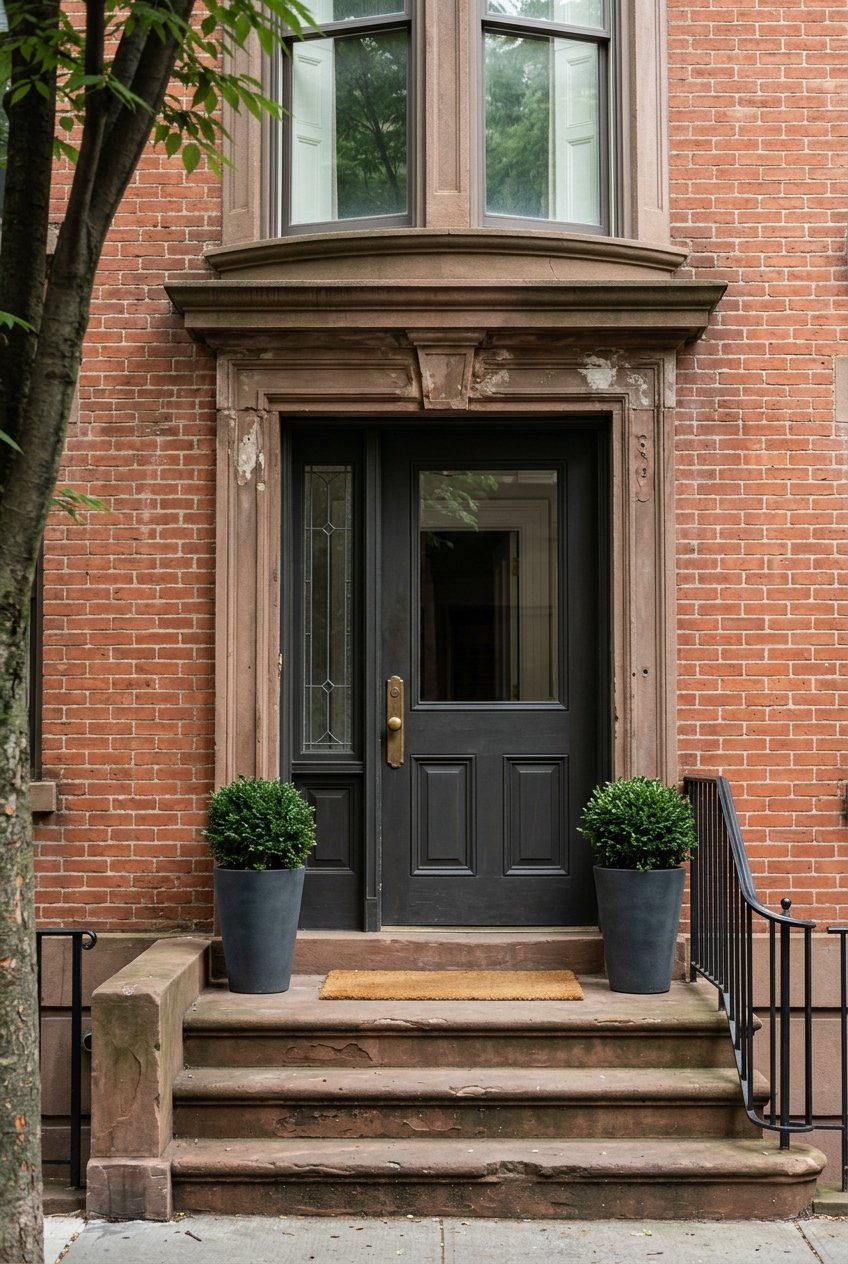
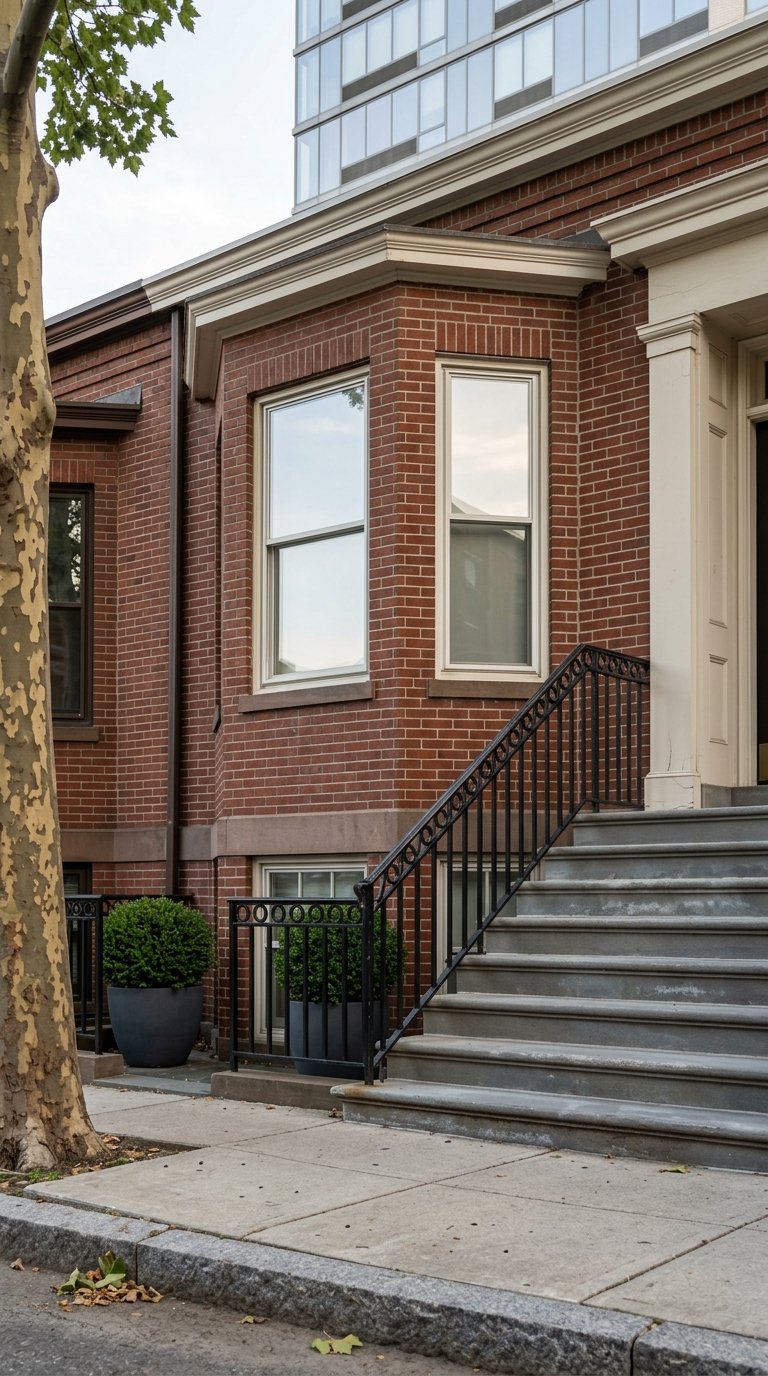
Beacon Hill is a protected historic district that was established in 1955 and expanded in 2024. Boston describes the neighborhood through its old colonial streetscape, including brick rowhouses, decorative ironwork, narrow streets, brick sidewalks, and gas lamps. The district also includes Federal and Greek Revival residences, later apartment buildings, and adapted stables and carriage houses.
That mix gives Beacon Hill much of its character, but it also means you are often buying into three layers at once: the physical home, the condominium structure, and the historic-district rules that affect exterior changes. In many cases, those layers will matter more to your ownership experience than listing photos alone.
Many Beacon Hill condos are created from rowhouse conversions. Even if your unit feels private, Massachusetts condominium law generally treats key parts of the building as common areas unless the master deed says otherwise. That can include foundations, party walls, roofs, halls, stairways, central systems, land, basements, parking areas, and storage spaces.
For you as a buyer, that means a top-floor condo or garden-level unit may still share responsibility for major building components through the condo association. A charming layout does not necessarily mean independent ownership of the systems and structure around it.
Massachusetts law also recognizes limited common areas, which are reserved for the use of fewer than all unit owners. In Beacon Hill, that can matter for terraces, roof decks, storage lockers, and parking spaces.
A space may feel like it belongs exclusively to your unit, but the legal treatment can differ. It could be part of the unit, a limited common area, or a separately deeded interest. That distinction can affect maintenance responsibility, use rights, and resale clarity.
If you are buying a Beacon Hill condo, one of the smartest steps is to review the full document package early. The key records include the recorded master deed and any amendments, the bylaws, the minute book, financial records, reserve-fund records, contracts, and insurance policies.
Under Massachusetts law, these records must be kept current and made available for reasonable inspection by unit owners and mortgagees during regular business hours. They must also be retained for at least seven years. That legal framework gives buyers a strong reason to ask detailed questions and expect organized answers.
The master deed must identify each unit's location, approximate area, number of rooms, immediate common area access, and any appurtenant areas such as balconies, terraces, or storage lockers. It must also include floor plans that fully and accurately show the unit layout as built at the time of the master deed.
This is especially important in historic conversions. You should compare the recorded plans with the actual layout so you understand what is private, what is shared, and what may only be a limited common area. In Beacon Hill, assumptions can get expensive.
Historic properties can come with meaningful maintenance needs, especially when major structural or shared systems are involved. Because roofs, walls, stairs, central systems, basements, parking areas, and storage spaces are typically common areas under Chapter 183A, major repairs can become common-expense issues for all owners.
That is why the association's financial health matters so much. A lower monthly condo fee does not always mean lower ownership cost if reserves are thin or capital projects are looming.
Massachusetts requires the organization of unit owners to prepare a financial report within 120 days after the end of the fiscal year and make it available to unit owners within 30 days after completion. The law also requires an adequate replacement reserve fund, collected as part of common expenses and kept separate from operating funds.
When reviewing a Beacon Hill purchase, ask for:
For buildings with more than 10 units, Massachusetts also requires blanket fidelity insurance coverage. In larger condominiums with 50 or more units, an independent CPA review is required at least annually, or at least every two years under the statute.
Beacon Hill is a local historic district, and the Beacon Hill Architectural Commission reviews proposed exterior alterations. According to the city, the commission meets on the third Thursday of each month, and it regulates exterior architectural features that are visible from a public way.
That public-way viewpoint can extend beyond the immediate sidewalk. The city notes that visibility may include views from Boston Common, Storrow Drive, the Longfellow Bridge, Cambridge Street, and points north. So even work that feels private may still be subject to review.
The city states that ordinary maintenance or repair that does not change design, material, color, or outward appearance is excluded from review. Even so, buyers and owners are cautioned not to begin work or purchase materials until approval is confirmed.
The guidelines also note that the commission will not formally review an application until zoning issues are resolved. If approval is granted, a Certificate of Appropriateness is valid for two years.
Beacon Hill's guidelines are designed to protect historic fabric. New openings in facades are not allowed, and existing window and door openings generally cannot be changed unless the work restores original features and is supported by documentation.
The guidelines also state that original or historically significant materials should be maintained and repaired whenever possible. If replacement is needed, the new material should match the original in composition, design, color, texture, and visible qualities.
Buyers often underestimate how specific exterior rules can be. Historic openings, sash, lintels, sills, brick molds, surrounds, and doors should generally be retained. Vinyl-clad windows and metal-clad doors are not permitted.
Masonry cleaning is discouraged, brick and stone should not be sandblasted, and masonry should not be painted unless there is evidence it was originally painted. Exterior storm windows may be acceptable when they have minimal visual impact, while HVAC equipment, solar panels, and antennae must be installed so they are not visible from a public way.
Before you make an offer, it helps to walk through a focused set of questions. In Beacon Hill, the right diligence can give you a much clearer picture of ownership from day one.
Buying in Beacon Hill is rarely just about choosing a beautiful home. You are also evaluating legal boundaries, shared financial obligations, and preservation rules that can shape what you own and what you can change.
For many buyers, the best outcome comes from treating Beacon Hill as a document-driven purchase as much as a design-driven one. With the right strategy, you can move forward with more clarity, fewer surprises, and a stronger sense of what ownership will really look like.
If you are considering a condo or townhome in Beacon Hill and want a discreet, highly tailored buying strategy, schedule a private consultation with Gabrielle Baron.
Stay up to date on the latest real estate trends.

Get assistance in determining current property value, crafting a competitive offer, writing and negotiating a contract, and much more. Contact me today.