Picture your daily rhythm: do you want coffee on a quiet marina before a 10-minute harbor ferry, or a stroll past Monument Square on your way to the Orange Line? If you are torn between Charlestown’s Navy Yard and the Gaslight Streets, you are not alone. This guide breaks down pricing ranges, HOA fees, parking realities, commute options, flood considerations, and lifestyle feel so you can choose with confidence. Let’s dive in.
Quick pick: which fits you
- Choose Navy Yard if you want full-service living, deeded garage parking, and waterfront access with a concierge and fitness amenities.
- Choose Gaslight Streets if you want historic brownstones, lower monthly dues, and closer walk access to the Orange Line and local restaurants.
Charlestown market snapshot
- Recent neighborhood medians often land near roughly $995k to $1.02M, with price-per-square-foot commonly in the high $700s to $900s. Ranges vary by month and by unit specifics.
- Inventory has been tight in Charlestown, which can favor sellers and drive competition in popular micro-markets. You can review neighborhood trend commentary for context on limited supply and demand dynamics on PropertyFocus’ Charlestown page for market trends.
Navy Yard at a glance
What you will find
- Predominantly waterfront condos and townhouse-style units in buildings like Flagship Wharf, Constellation Wharf, Parris Landing, Shipway Place, and The Basilica. These communities often highlight direct HarborWalk access and marina proximity. For an overview of the neighborhood setting and building inventory, see the Friends of the Charlestown Navy Yard’s neighbors overview.
Amenities and fees
- Expect a full-service experience. Many buildings offer a concierge or front desk, on-site management, fitness rooms, storage, and bike rooms.
- HOA fees are typically higher to cover elevators, exterior maintenance, master insurance, water and sewer, snow removal, and amenity upkeep. In larger or penthouse units, common charges can reach four figures per month. Always confirm what the fee includes.
Parking and mobility
- Deeded garage parking is common and a significant value add in many Navy Yard buildings. Confirm whether the space is deeded, leased, or assigned, and request the legal description.
- The harbor ferry is a standout commute option. Planning documents list a vessel travel time near about 10 minutes between Charlestown Navy Yard and Long Wharf. You can also reference Boston Harbor Now’s guide to getting around the harbor for context on seasonal and route considerations.
Flood and resilience
- The Navy Yard waterfront is included in Boston’s coastal resilience planning. Before you buy, review FEMA flood maps, verify the building’s elevation data if available, and ask whether the HOA’s master policy includes flood coverage. The City’s coastal resilience implementation page outlines current planning and project areas.
Typical pricing ranges
- Smaller 1 to 2 bedroom units commonly land from the mid $700k range up to roughly $1.6M depending on floor, view, and parking. Larger multi-bedroom or penthouse units can extend into the multi-million range, often with premium per-square-foot pricing when direct water views and amenities align.
Gaslight Streets at a glance
What you will find
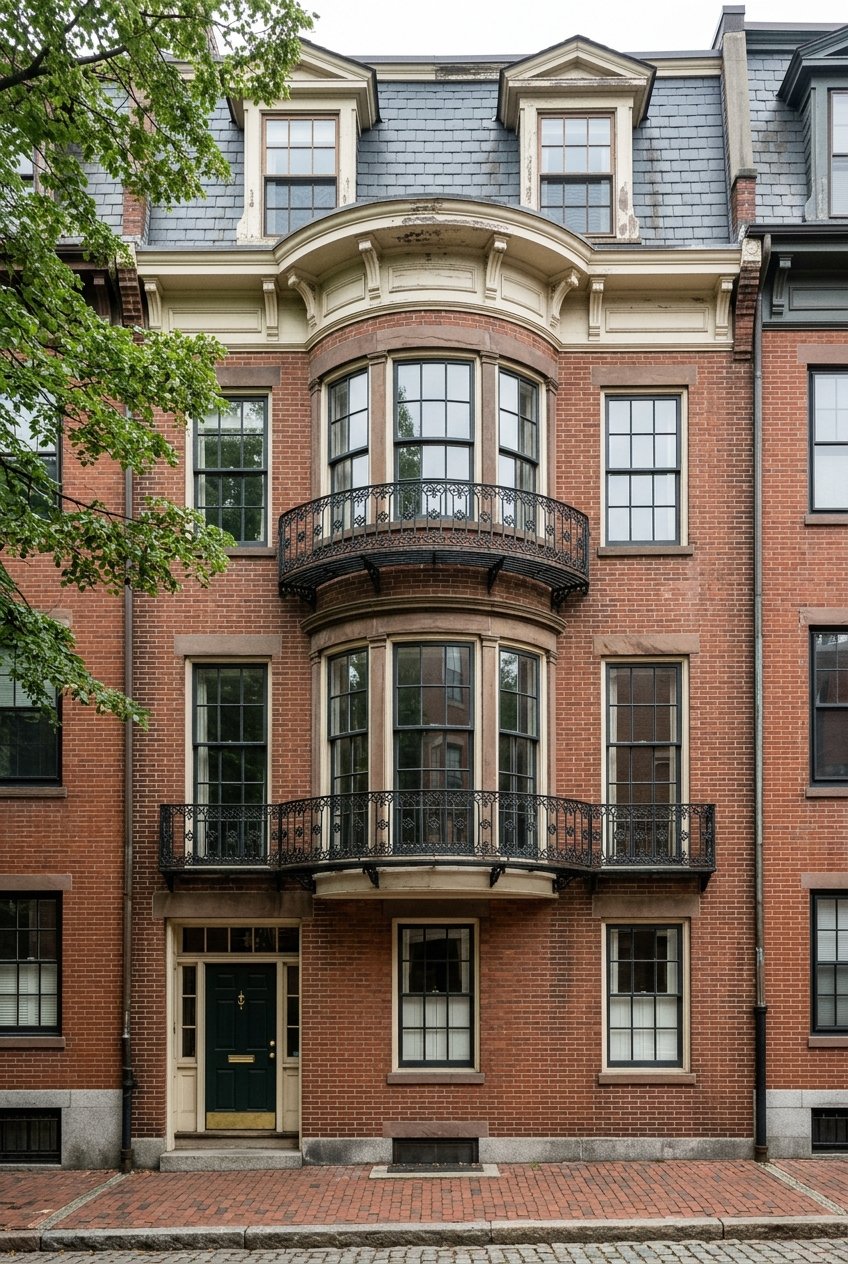
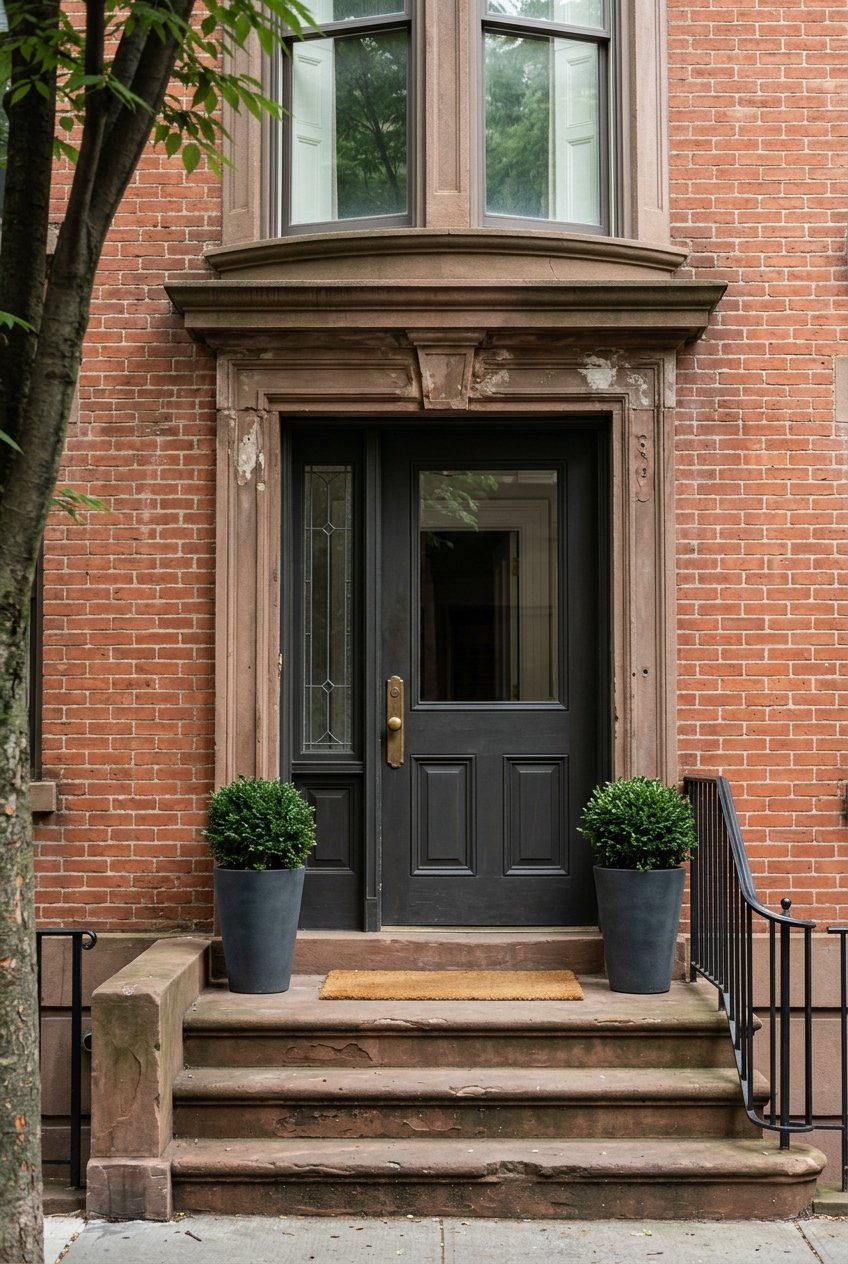
- Historic brick rowhouses and brownstones, small 1 to 6 unit condo conversions, and a few low-rise elevator conversions near Monument Square. Expect high ceilings, period details, and unique floor plans.
Amenities and fees
- Associations are often small and self-managed, with modest common areas. Many buildings do not have elevators or extensive amenities. HOA fees are typically lower, frequently under $600 per month for smaller associations. Verify reserves and what is included.
Parking and mobility
- Deeded garage parking is less common. Many owners rely on Boston resident parking permits for on-street spaces or lease a nearby stall. Review the City’s resident parking permits program for rules, zones, and renewals.
- You are closer to the MBTA Orange Line at Community College and to bus routes that serve Downtown. For a station overview and connections, see the Community College station page.
Lifestyle appeal
- The neighborhood delivers classic Charlestown ambiance with Monument Square and a tight street grid of restaurants and shops. You trade elevators and doormen for character, location, and street-level energy.
Typical pricing ranges
- Many 1 to 2 bedroom units trade from the low $600k range to roughly $1.2M to $1.3M, with larger townhouses and whole-house conversions selling at premium prices when restored and well located.
Cost of ownership: what HOAs cover
When you compare monthly carrying costs, look at what the condo fee includes.
- In Navy Yard buildings, fees often cover master insurance, exterior maintenance, management, elevators, common utilities, fitness or concierge services, and sometimes heat or hot water. These services explain why fees are higher.
- In Gaslight Streets conversions, lower fees can reflect fewer services, limited common areas, and smaller budgets. Always request financials and a reserve study, since low dues can mean smaller reserves and potential future assessments.
Ask the listing agent for a line-item breakdown of what the HOA covers so you can compare apples to apples.
Parking and mobility: the real tradeoffs
- Deeded garage parking: Expect it in many Navy Yard buildings, often with a meaningful premium in both price and resale value. In Gaslight Streets, deeded spaces are rarer, and many owners rely on the City’s resident parking permits program for on-street options.
- Monthly garage leases: Citywide averages often sit around the mid $200s per month, with closer-in garages commonly higher. You can scan SpotHero’s monthly parking data for current price signals in Boston.
- Commute options: The Navy Yard ferry to Long Wharf runs in about 10 minutes of vessel time when schedules align, which can be scenic and efficient. Gaslight Streets sits closer to the Orange Line and routes 92 and 93 buses, which may be more frequent and predictable during peak hours. Check exact walking distances from a given address.
Lifestyle and resale considerations
- Navy Yard: Quieter waterfront living with direct HarborWalk access and a lock-and-leave feel. Strong appeal for buyers who value deeded parking, amenities, and water views. On resale, higher HOA dues can narrow the pool at some price points, while views and parking support demand.
- Gaslight Streets: Historic charm, intimate streets, and Monument Square as a focal point. Broad appeal for buyers prioritizing location and character. On resale, stairs, smaller footprints, and lack of elevators can limit some segments of the buyer pool, but lower dues and central location support interest.
Buyer checklist for either area
Use this field-tested list before you write an offer:
- HOA and financials: Request bylaws, master insurance summary, recent financials, reserve study, 12 months of meeting minutes, and any active or planned special assessments.
- Parking specifics: Confirm deeded versus leased or assigned, get the legal description, and note any monthly garage fees. This is a major value component in both micro-markets.
- Flood and insurance: For waterfront units, verify FEMA flood zone, building elevation information if available, and whether the master policy includes flood. Review Boston’s coastal resilience implementation resources for current project areas.
- Utilities and inclusions: Clarify what the HOA covers versus owner-paid utilities, especially heat and hot water.
- Rental rules: Review lease minimums and short-term rental policies. Confirm city registration requirements if you plan to rent.
- Accessibility and capital projects: Note elevator access, building condition, and any scheduled work like roof, masonry, or elevator modernization, which can affect quality of life and future assessments.
Putting it together
If you want amenities, deeded garage parking, and waterfront calm, the Navy Yard is a strong fit. If you prefer historic character, lower dues, and quick access to the Orange Line, the Gaslight Streets deliver. Both micro-markets sit within a Charlestown landscape that often sees limited inventory and steady demand, so preparing your documents and priorities up front will help you move decisively when the right home appears.
Ready for a private, data-driven tour of both options and a clear cost-of-ownership model for each address on your list? Schedule a private consultation with Gabrielle Baron to compare live comps, HOA packages, and commute times, then secure the home that fits your lifestyle.
FAQs
What is the biggest difference between Navy Yard and Gaslight Streets living?
- Navy Yard focuses on full-service waterfront condos with higher HOA fees and common deeded garage parking, while Gaslight Streets offers historic brownstones with lower dues and more reliance on street or leased parking.
How fast is the ferry commute from Charlestown Navy Yard to Downtown Boston?
- Planning documents cite about 10 minutes of vessel time between the Navy Yard and Long Wharf, subject to schedules and weather.
Are Charlestown’s Gaslight Streets closer to the subway than the Navy Yard?
- Yes. Many Gaslight Streets addresses sit within a shorter walk to the Orange Line’s Community College station and bus routes to Downtown.
Do Navy Yard condos have higher HOA fees than brownstone conversions?
- Often yes. Fees in full-service waterfront buildings tend to be higher because they include elevators, management, master insurance, and amenities that smaller brownstone associations typically do not offer.
Should I worry about flood risk when buying in the Navy Yard?
- You should evaluate it. Review FEMA flood maps, request building elevation and insurance details, and consult Boston’s coastal resilience plans to understand current and future mitigation in the area.
How does parking usually work in the Gaslight Streets area?
- Many buyers rely on Boston’s resident parking permits for on-street parking or lease a nearby garage space; deeded garage parking is less common than in the Navy Yard.