South End Boston Lifestyle Guide to Arts, Dining & Parks
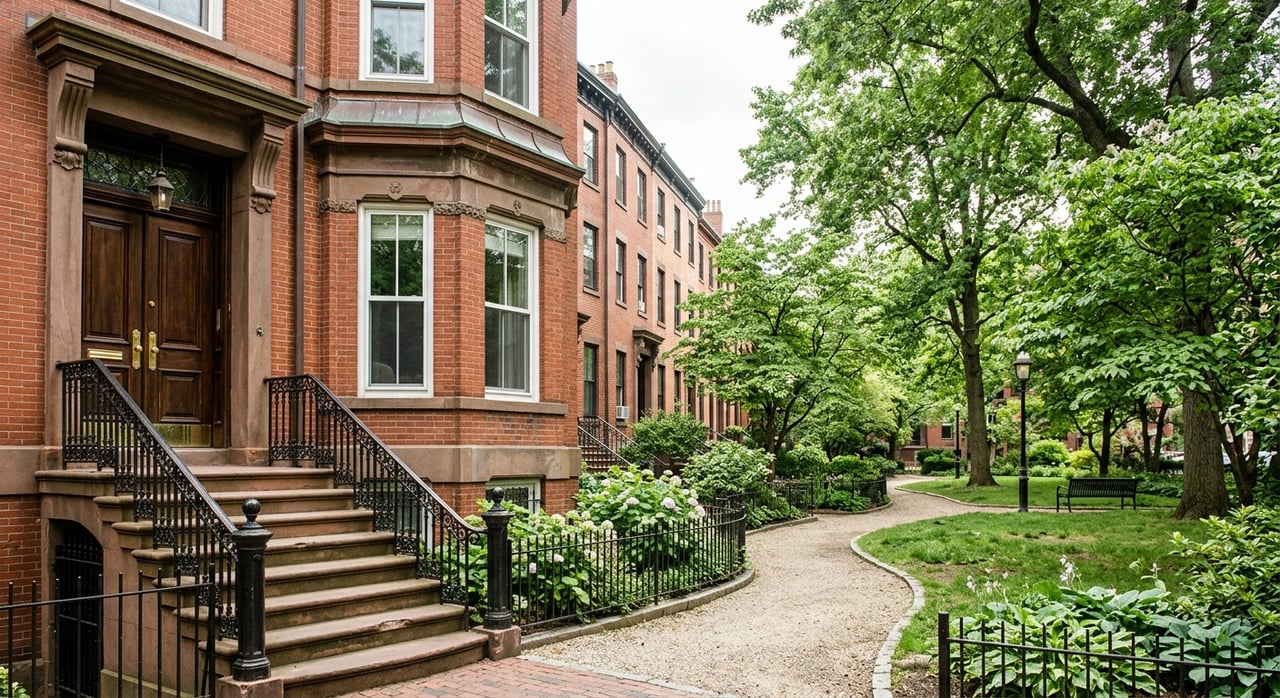
Curious what day-to-day life in Boston’s South End really feels like? This neighborhood has a reputation for standout restaurants and beautiful brick rowhouses, but that only tells part of the story. If you are exploring central Boston neighborhoods, the South End offers a distinctive mix of arts energy, residential charm, and well-used green spaces. Let’s take a closer look.
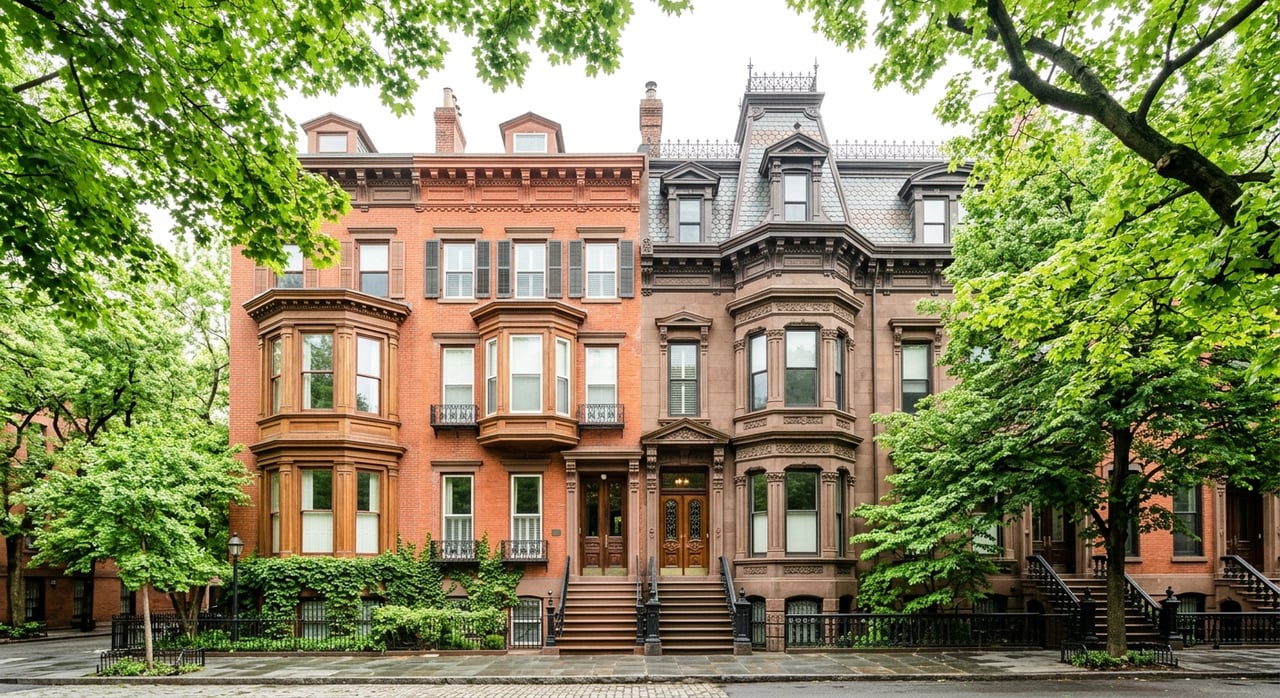
The South End stands out as a landmark district and one of the largest urban Victorian neighborhoods in the United States, with a built form that still reflects its 19th-century origins. According to Boston’s South End neighborhood page, the area is known for its historic rowhouses, strong restaurant scene, and nearly 30 parks.
What makes the neighborhood especially appealing is its balance. Even with its popularity for dining and culture, the South End remains fundamentally residential in character. City planning materials describe a setting shaped by historic brick row houses, open spaces, and key commercial corridors, with newer infill development at the edges that adds another layer to the neighborhood fabric.
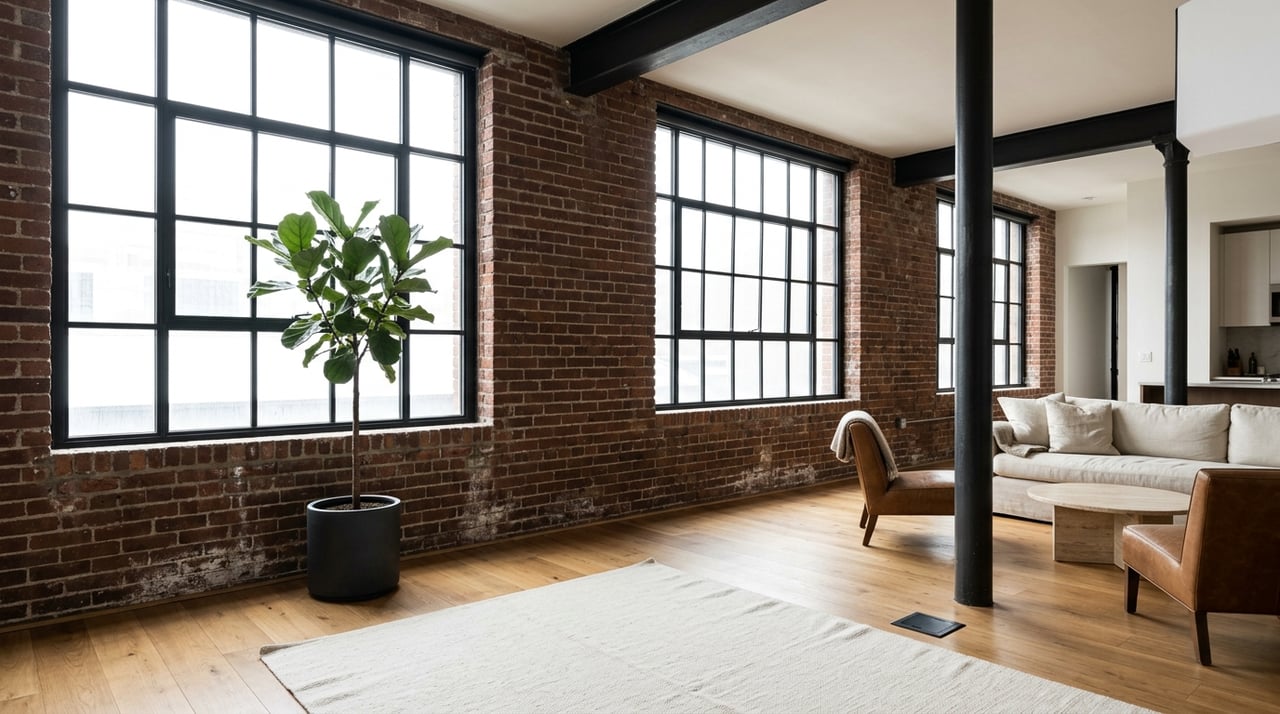
If you want the clearest expression of the South End’s creative side, start in SoWa. The SoWa district is the neighborhood’s Art + Design district, where reclaimed warehouse buildings hold artist studios, galleries, design showrooms, fashion boutiques, and restaurants.
This concentration matters because it gives the South End a cultural identity that goes well beyond dining. SoWa is home to the SoWa Artists Guild, more than 20 galleries, First Fridays, and seasonal Sunday market activity. That steady programming helps shape the neighborhood’s weekend rhythm and gives Harrison Avenue a distinctly arts-driven feel.
In some Boston neighborhoods, arts venues feel separate from residential life. In the South End, they are woven into the neighborhood experience. You can spend part of your day on a quieter residential block, then head a few streets over for gallery visits, open studios, or design-focused storefronts.
That layering is part of what gives the South End its appeal. It feels lived-in and creative at the same time, rather than overly commercial or centered around a single attraction.
The South End has long been one of Boston’s most talked-about dining neighborhoods. Eater’s South End restaurant guide highlights the range here, from classic breakfast spots to high-end tasting experiences and notable Greek cuisine.
For everyday orientation, Tremont Street is the key dining corridor. Boston.gov points to Tremont as Restaurant Row, which makes it one of the neighborhood’s main destinations for a night out, a casual meal, or a weekend brunch plan.
The South End’s food scene is not limited to one street, even if Tremont is the headline corridor. The city also describes Shawmut Avenue as a tree-lined street with boutiques and restaurants, giving it a slightly quieter and more neighborhood-scaled feel.
SoWa adds another layer with restaurants set among galleries and design spaces. That mix can make a dinner plan feel more like an afternoon or evening out, especially if you pair a meal with a gallery visit or open-market stop.
If you are wondering whether the South End’s dining reputation still holds up at the highest level, one current example stands out. The Michelin Guide listing for 311 Omakase identifies it as a one-star restaurant on Tremont Street in a South End rowhouse.
That kind of recognition reinforces what many Boston residents already know: the South End is not just convenient for dining, it is one of the city’s true restaurant destinations. For buyers and renters who value walkable access to dining, that can be a meaningful lifestyle advantage.
A lot of urban neighborhoods promise walkability. The South End adds something more: a meaningful network of open space. Boston’s neighborhood overview notes that the South End has nearly 30 parks, including well-known spaces like Blackstone Square and Franklin Square.
These parks do more than provide visual relief. They help shape the neighborhood’s block-by-block character, especially along the square-lined residential streets where the pace feels quieter and more residential.
For many residents, Peters Park is one of the most practical lifestyle assets in the neighborhood. Boston’s accessible parks inventory lists Peters Park at 230 Shawmut Avenue as including a dog park, tennis and basketball courts, a loop path, a playground, and a baseball diamond.
That combination gives the South End a more balanced feel than you might expect in a dense urban setting. It supports a wide range of everyday routines, whether you want space to walk, play, exercise, or meet up outdoors.
If you have a dog, Peters Park is especially important. The city identifies it as one of Boston’s designated off-leash dog recreation areas, with the usual expectation that owners follow posted rules and clean up after pets.
For buyers or renters comparing central Boston neighborhoods, that kind of amenity can make a real difference. It adds convenience to daily life and gives the South End a more livable, neighborhood-oriented feel.
One of the best ways to understand the South End is to think of it in pockets rather than as one uniform experience. Based on the city’s descriptions and the neighborhood’s arts and park geography, different streets create different moods.
This is part of the South End’s appeal. You can choose a block that aligns more closely with your lifestyle, whether you value dining access, arts programming, or a calmer residential setting.
The South End is often compared with Back Bay because the two neighborhoods sit close together and both offer historic architecture. But they create different day-to-day experiences. Boston’s Back Bay page describes Back Bay as a protected historic district anchored by major shopping streets like Newbury Street, Boylston Street, and Commonwealth Avenue.
The South End feels more neighborhood-scale by comparison. It is more oriented toward rowhouse living, local parks, restaurants, and arts activity than luxury retail frontage.
South Boston offers a different set of lifestyle draws. Boston.gov’s South Boston overview emphasizes its history, tradition, beaches, and Fort Point Channel arts connections.
The South End does not compete on waterfront access. Instead, it stands out for its Victorian streetscape, restaurant density, and the distinct cultural identity created by SoWa and its surrounding corridors.
For many buyers, the South End offers a rare mix within central Boston. You get historic architecture, a strong sense of place, destination dining, active arts programming, and a meaningful amount of green space, all within a neighborhood that still reads as residential.
That balance can be especially appealing if you want city living without feeling surrounded by nonstop commercial activity. The South End offers variety from block to block, which means your experience of the neighborhood can feel highly personal depending on where you land.
If you are considering a move within Boston and want guidance on how the South End compares with Back Bay, Beacon Hill, Seaport, or other central neighborhoods, Gabrielle Baron offers a thoughtful, high-touch advisory approach tailored to your priorities.
Stay up to date on the latest real estate trends.
Get assistance in determining current property value, crafting a competitive offer, writing and negotiating a contract, and much more. Contact me today.