Beacon Hill vs Back Bay: Which Brownstone Neighborhood Fits?
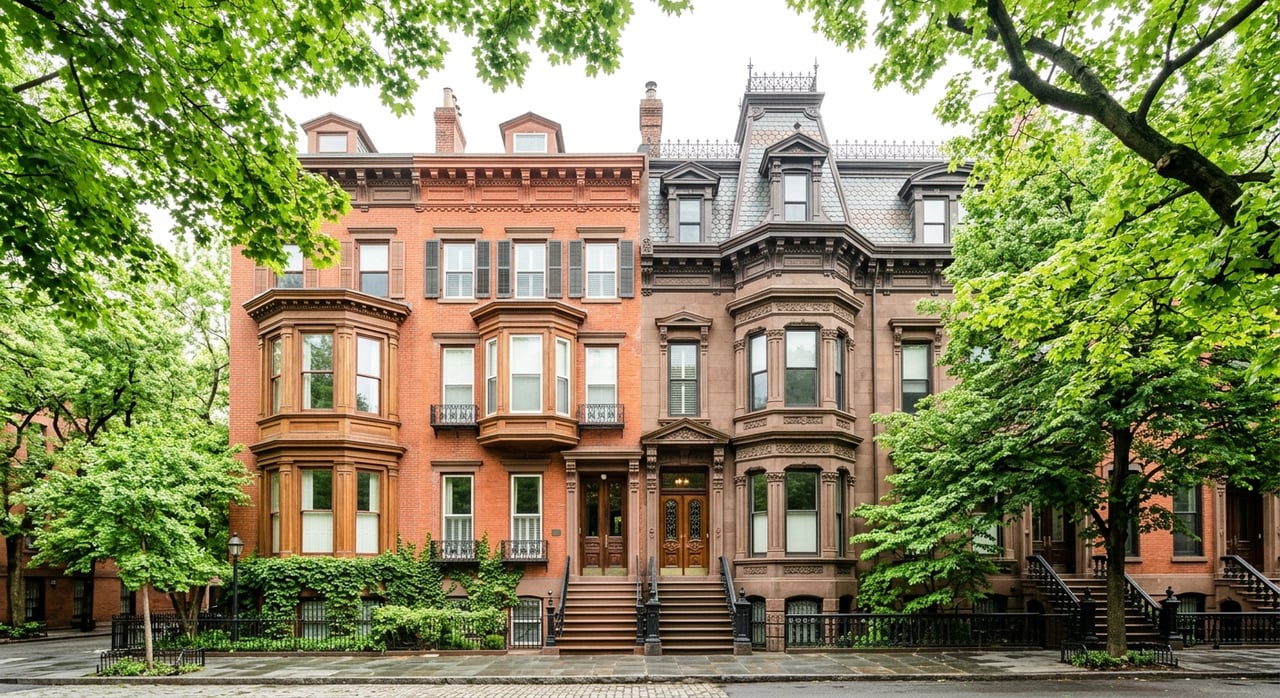
Wondering whether Beacon Hill or Back Bay is the better brownstone fit for your next move? If you are drawn to classic Boston architecture, both neighborhoods offer iconic streetscapes, historic homes, and a highly walkable lifestyle, but they live very differently day to day. Understanding how they compare can help you narrow your search, set better expectations, and choose a neighborhood that truly matches how you want to live. Let’s dive in.
If you want the simplest answer, Beacon Hill tends to feel more intimate, more historic, and more residential. Back Bay tends to feel more structured, more active, and more connected to shopping, dining, and broader city movement.
That difference starts with how each neighborhood was built. Beacon Hill developed earlier, with streets and alleyways that follow an older, less regular pattern. Back Bay was created later through landfilling and follows a more formal grid with wide boulevards, parks, and a stronger mix of residential and commercial uses.
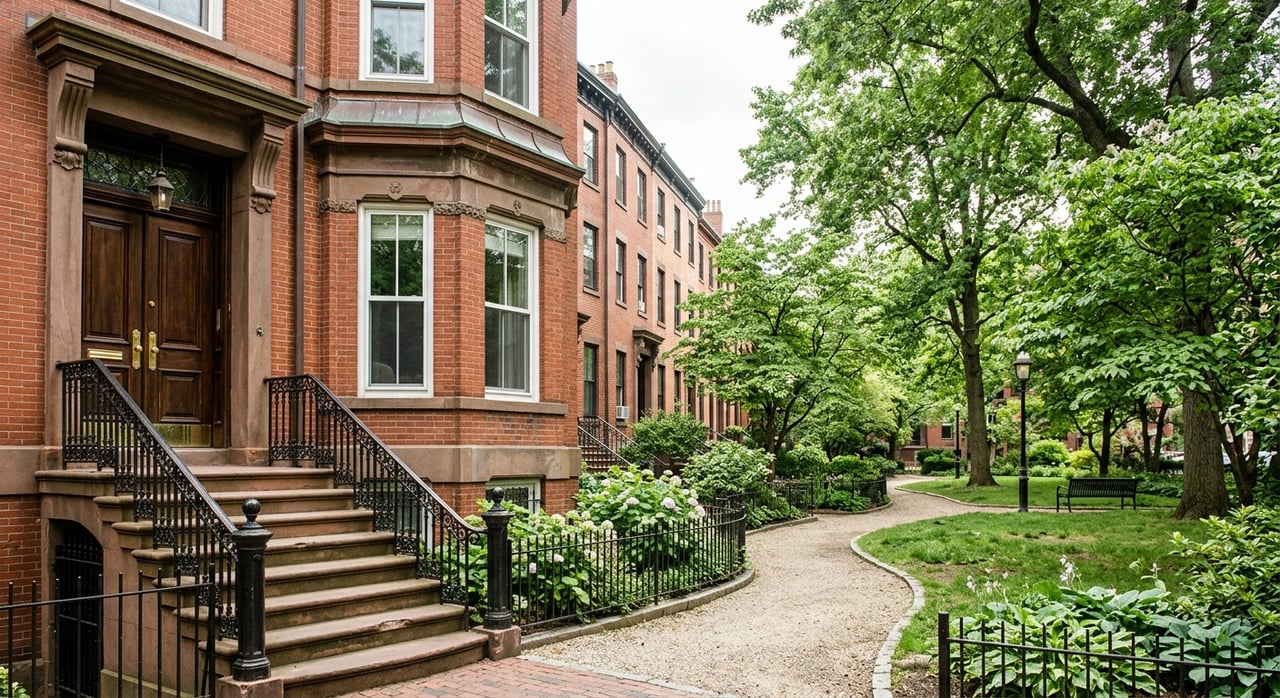
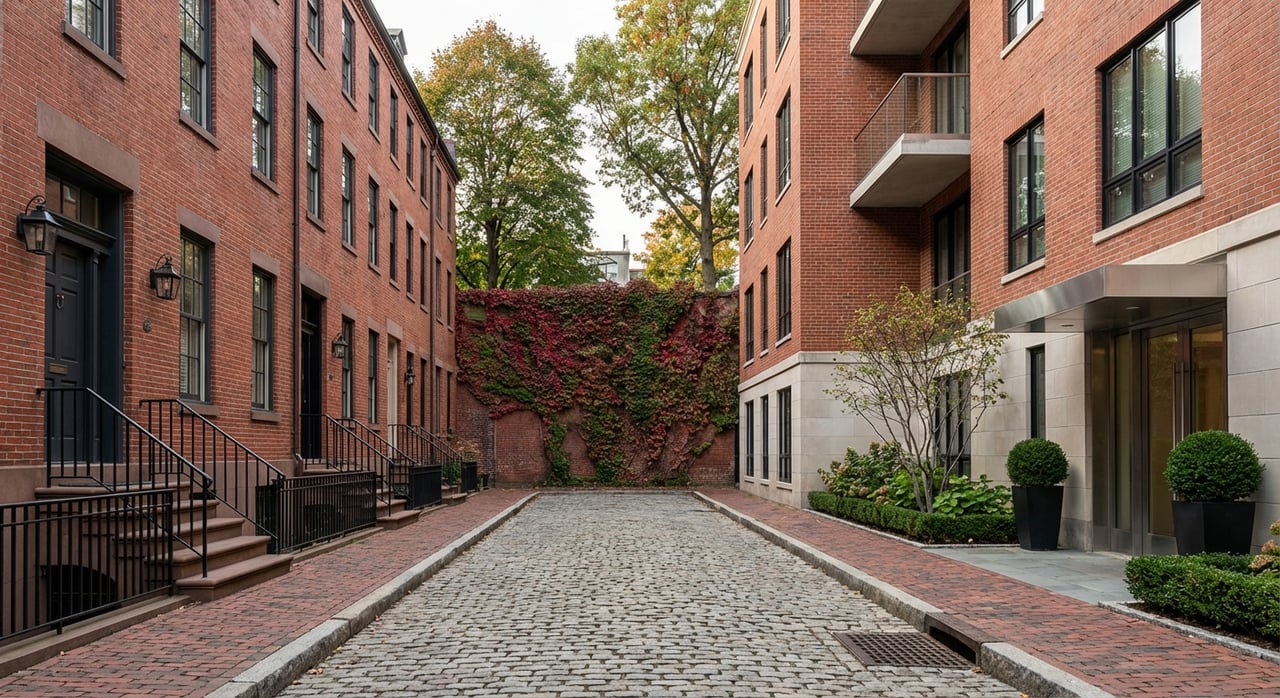
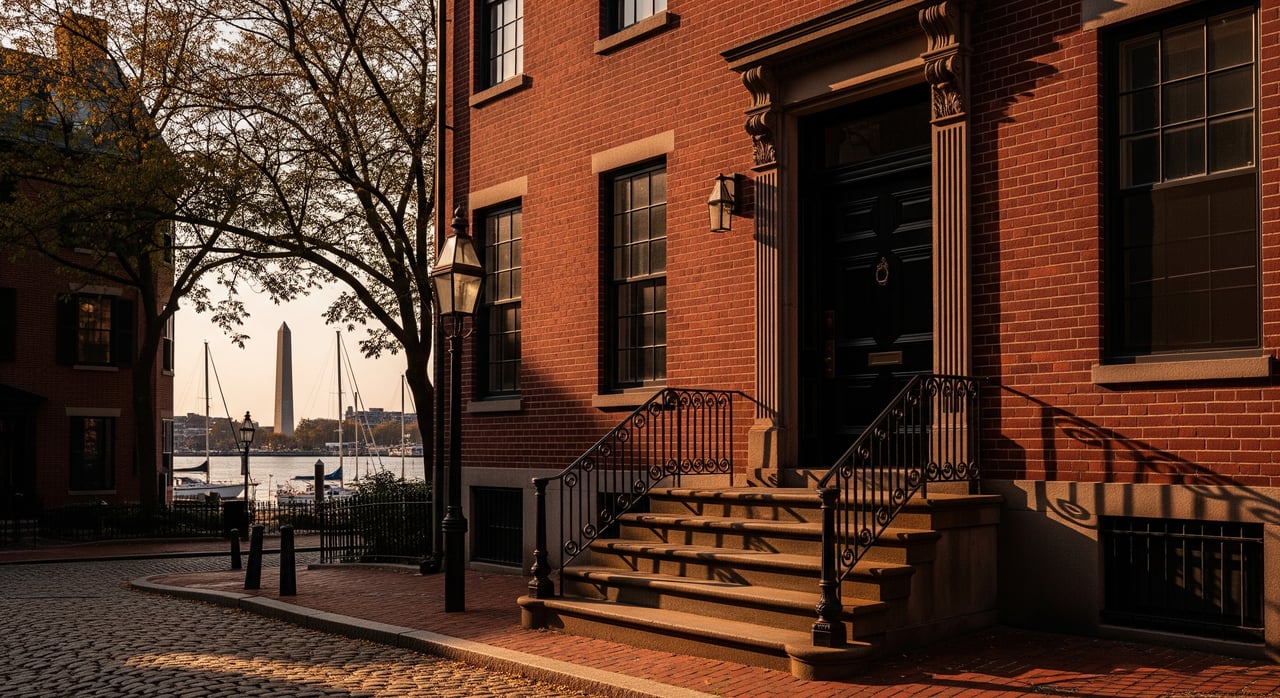
Beacon Hill is recognized by the City of Boston as the oldest historic district in Massachusetts. Its layout dates to the late 1700s and early 1800s, and the neighborhood is known for winding streets, narrow pedestrian alleyways, and a strong concentration of Federal-era brick row houses.
For you as a buyer, that often translates into a more tucked-away, almost village-like experience in the middle of the city. The streets can feel quieter and more enclosed, and the neighborhood reads as historically continuous from block to block.
According to the National Park Service, Beacon Hill is nearly 90% residential. That matters because it shapes the daily rhythm of the neighborhood and the type of housing you are most likely to encounter.
Instead of a broad mix of building formats, you are more likely to see rowhouses, townhouse-style residences, and condominium conversions within historic buildings. Detached single-family homes are not the norm here.
Back Bay has a very different urban form. It was built in the mid-19th century on filled land, and its street network follows a more regular grid with wider streets and a more open feel.
You also see a clearer blend of residential and commercial activity. Newbury Street and Boylston Street developed as major commercial corridors, which gives Back Bay a more urban daily rhythm than Beacon Hill.
Back Bay still leans heavily toward attached homes and condos, but buyers often see more variety in layouts and building types. That is partly because the district includes both residential areas and commercially oriented corridors.
If you want classic brownstone architecture but also want more options in how a home is configured, Back Bay may give you a wider field. In practical terms, that can mean more variation in condo formats, building scale, and street character depending on the block.
If you are buying a brownstone in either neighborhood, it is important to understand that exterior changes are not casual projects. In Beacon Hill, exterior work visible from a public way falls under the Beacon Hill Architectural Commission. In Back Bay, commission approval is required before beginning exterior work.
That does not mean improvements are impossible. It does mean that buyers should view historic ownership as both an opportunity and a responsibility, especially if you are considering façade work, windows, roof elements, or other visible exterior updates.
If you want a home with minimal exterior change needs, that may affect which listings make sense to pursue. If you are open to thoughtful stewardship within a historic framework, both neighborhoods can be rewarding, but expectations should be clear from the start.
This is especially important in luxury condo and townhouse searches, where architectural character is often part of the value. The right purchase is not just about square footage or finish level. It is also about how comfortably the home fits your lifestyle and long-term plans.
On walkability, there is very little daylight between them. Walk Score rates Beacon Hill at 99 for walking and 100 for transit. Back Bay posts a 97 Walk Score and a 96 Transit Score.
In plain terms, both neighborhoods support a car-light lifestyle. If your priority is being able to move through Boston on foot or by transit, either neighborhood performs exceptionally well.
Where Back Bay pulls ahead is biking. Walk Score gives Back Bay a bike score of 87, compared with 72 in Beacon Hill.
That may matter if cycling is a regular part of your routine. Back Bay’s wider streets and more regular layout likely make it feel easier to navigate by bike than Beacon Hill’s tighter, more winding street pattern.
Both Beacon Hill and Back Bay are part of Boston’s resident parking permit program, and many residential streets are resident-parking-only. That means parking is controlled and often competitive in both neighborhoods.
For buyers who keep a car, parking should be part of your home search from the beginning, not an afterthought. Whether a property includes parking access, sits near a garage, or depends on street parking can meaningfully affect convenience.
In Back Bay, the city reports the presence of larger garage options, including the Boston Common Garage and major garages at Prudential Center and Copley Place. The city also converted many spaces to resident permit parking in 2024.
Beacon Hill’s narrower, older street layout suggests that street parking can feel tighter there. While that is an inference from the available street and parking data rather than a direct city statement, many buyers will find that Back Bay offers more parking infrastructure overall.
Because Beacon Hill remains mostly residential, its interior streets often feel calmer. Commercial activity is lighter, with Charles Street serving as a notable retail corridor without changing the neighborhood’s overall residential character.
If you want a brownstone setting that feels tucked in and less traffic-adjacent, Beacon Hill often aligns well with that preference. The historic street fabric supports a more intimate atmosphere.
Back Bay tends to feel more energetic. The area includes major shopping streets such as Boylston and Newbury, and it is influenced by higher-volume corridors like Massachusetts Avenue and Storrow Drive.
That added activity can be a plus if you like having more retail, dining, and movement around you every day. It can also mean a more urban soundscape, depending on the exact street and building orientation.
For a current apples-to-apples snapshot, Redfin’s March 2026 neighborhood data shows Back Bay at about $1.45K per square foot and Beacon Hill at about $1.34K per square foot. That places Back Bay at roughly 8% higher on a price-per-square-foot basis.
Both neighborhoods are described as somewhat competitive. So while pricing differs, you should still expect strong interest and limited margin for hesitation when the right property comes to market.
Beacon Hill tends to appeal to buyers who want the most preserved brownstone-and-brick version of old Boston. If that emotional pull matters as much as floor plan efficiency, Beacon Hill can be a strong match.
Back Bay often works well for buyers who want architectural character without giving up convenience. If you like the idea of a brownstone neighborhood with more day-to-day energy, this is often the more natural fit.
There is no universal winner between Beacon Hill and Back Bay. The better neighborhood is the one that matches your pace, your priorities, and how you want your home to function within the city.
If you picture quiet charm, preserved streetscapes, and a deeply residential setting, Beacon Hill may feel right. If you want historic architecture paired with stronger retail access, broader housing variety, and a more active urban environment, Back Bay may be the better move.
If you are weighing both neighborhoods and want a more tailored strategy around condo layouts, townhouse opportunities, parking, or renovation considerations, Gabrielle Baron can help you compare options with a clear, discreet, neighborhood-specific lens.
Stay up to date on the latest real estate trends.
Get assistance in determining current property value, crafting a competitive offer, writing and negotiating a contract, and much more. Contact me today.