Buying a South End Brownstone or Loft in Boston
Wondering whether a South End brownstone or a loft is the better fit for your life in Boston? It is a smart question, because in the South End, two homes at a similar price point can offer very different daily experiences. If you are trying to balance architecture, layout, maintenance, parking, and future flexibility, this guide will help you compare the options with more clarity. Let’s dive in.
The South End stands out for both its location and its built environment. It sits just minutes from Downtown and Back Bay, and the City of Boston describes it as a landmark district known for Victorian brownstones, nearly 30 parks, and a lively arts and restaurant scene.
Boston Planning also describes the South End as the largest Victorian residential district in the United States. At the same time, the neighborhood includes historic residential blocks alongside commercial, industrial, and institutional buildings. For you as a buyer, that mix creates an unusually broad range of housing choices within one neighborhood.
That is why your search may include a classic rowhouse condo one day and an industrial-style loft the next. In the South End, those options can exist just a few blocks apart, but they often serve very different priorities.
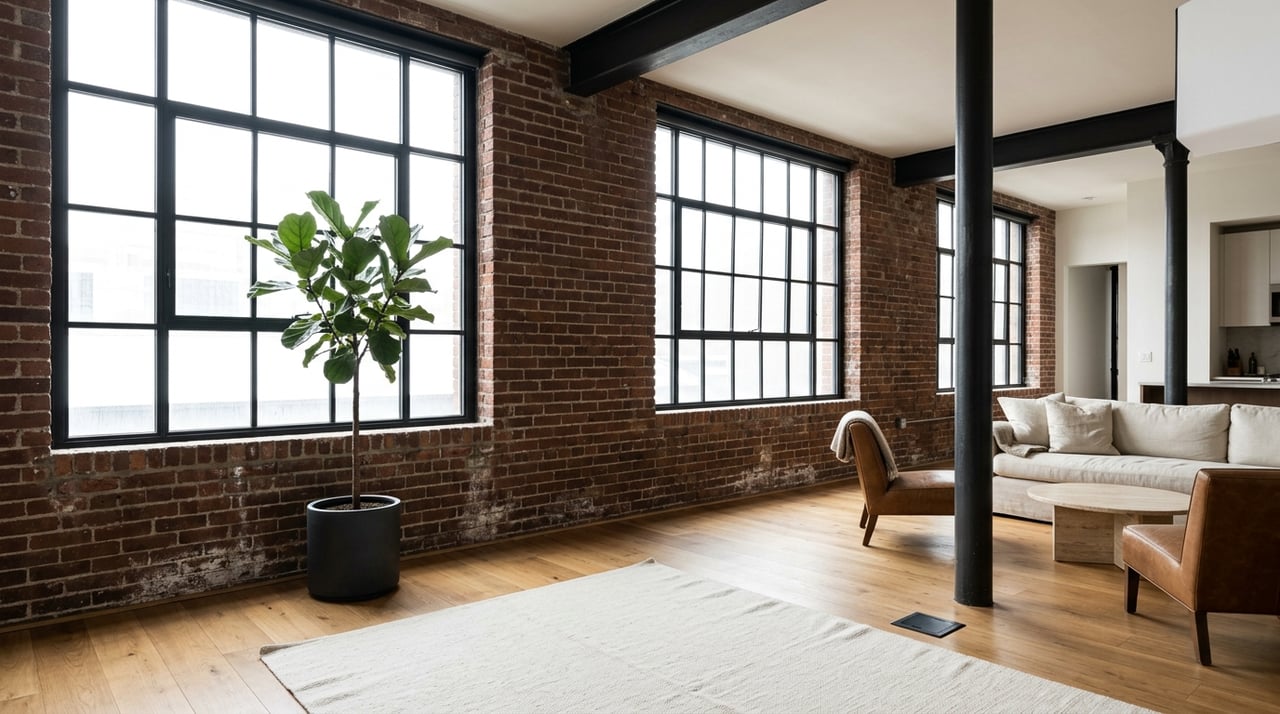
At a high level, brownstones tend to offer period detail, traditional streetscape appeal, and a townhouse-like feel. Loft-style homes tend to offer open volume, larger expanses of glass, and a more industrial character, especially near the SoWa corridor.
Neither option is inherently better. The right choice depends on how you want your home to function day to day, how much building oversight you are comfortable with, and what tradeoffs matter most to you.
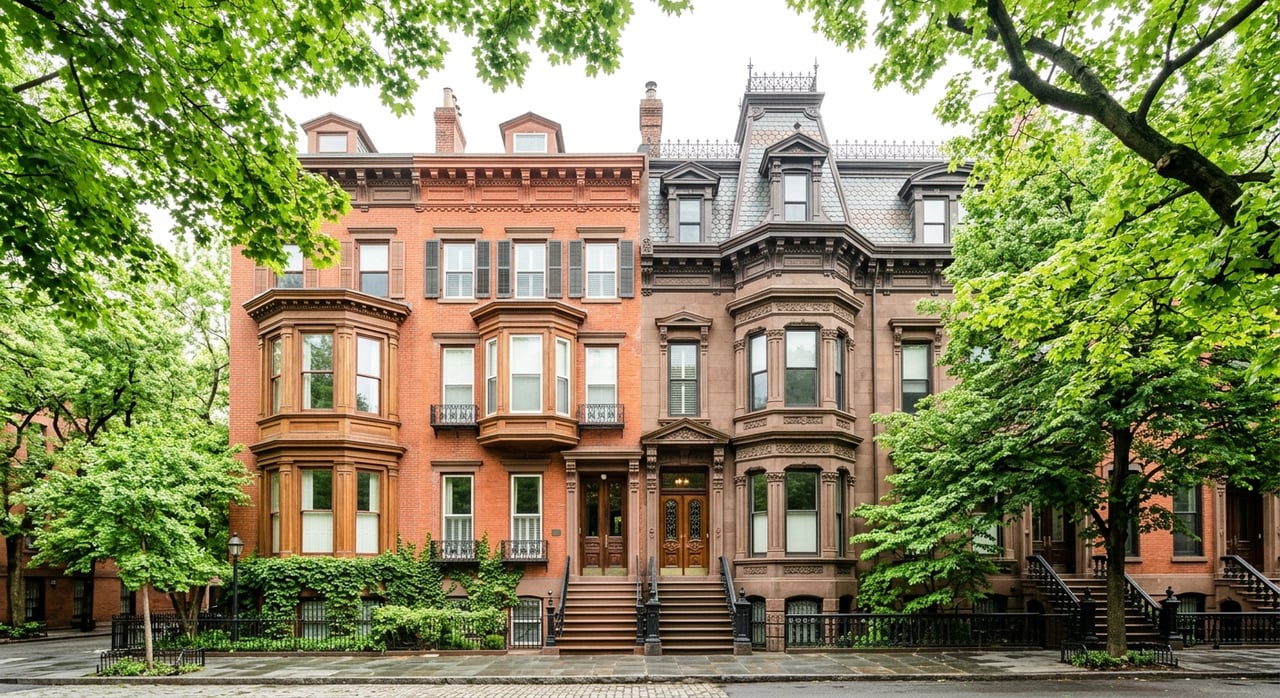
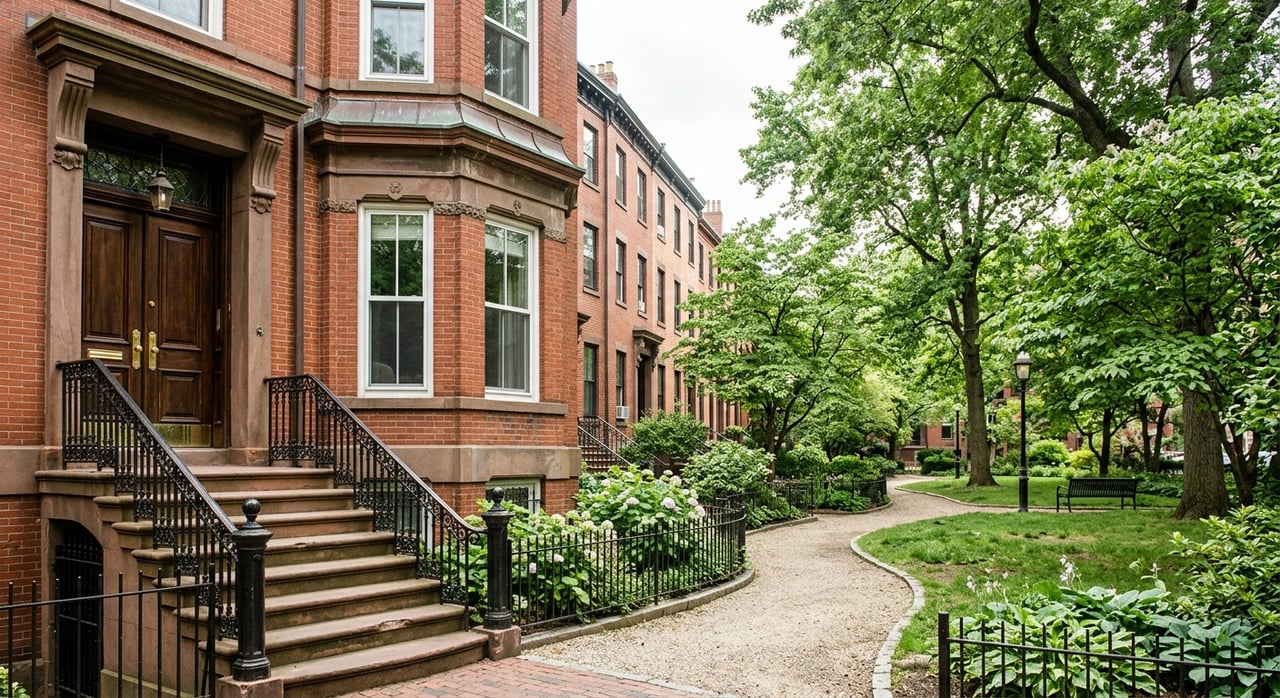
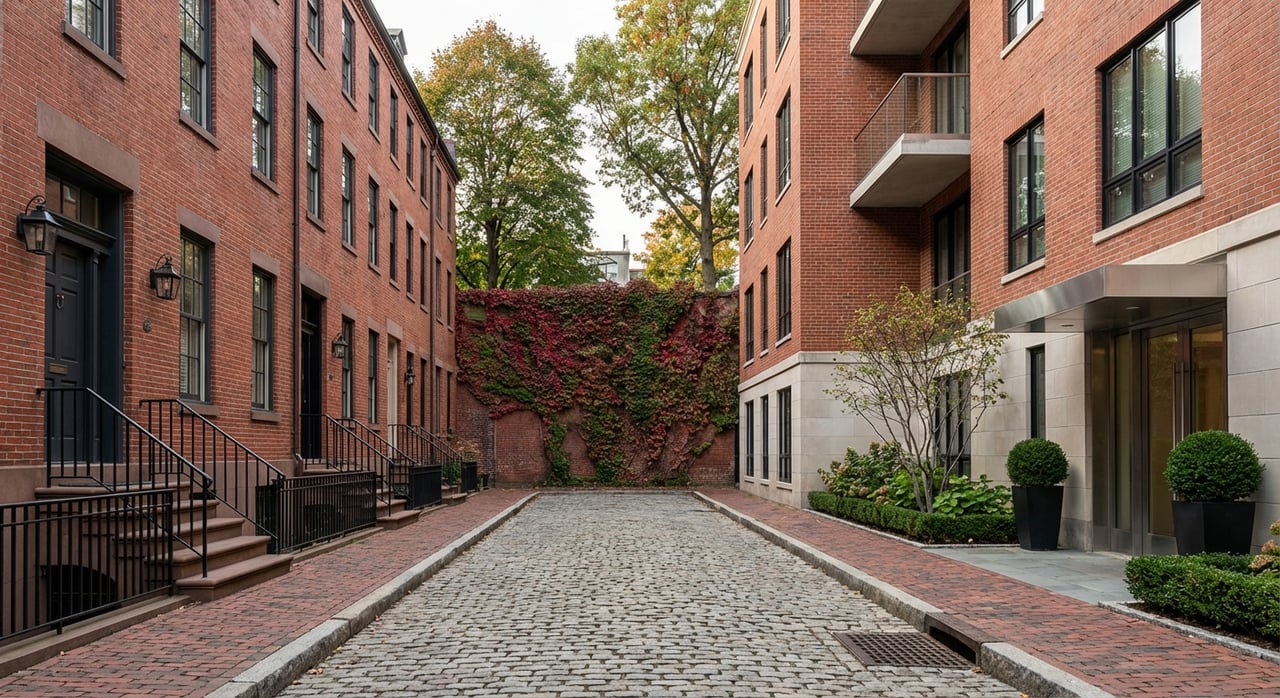
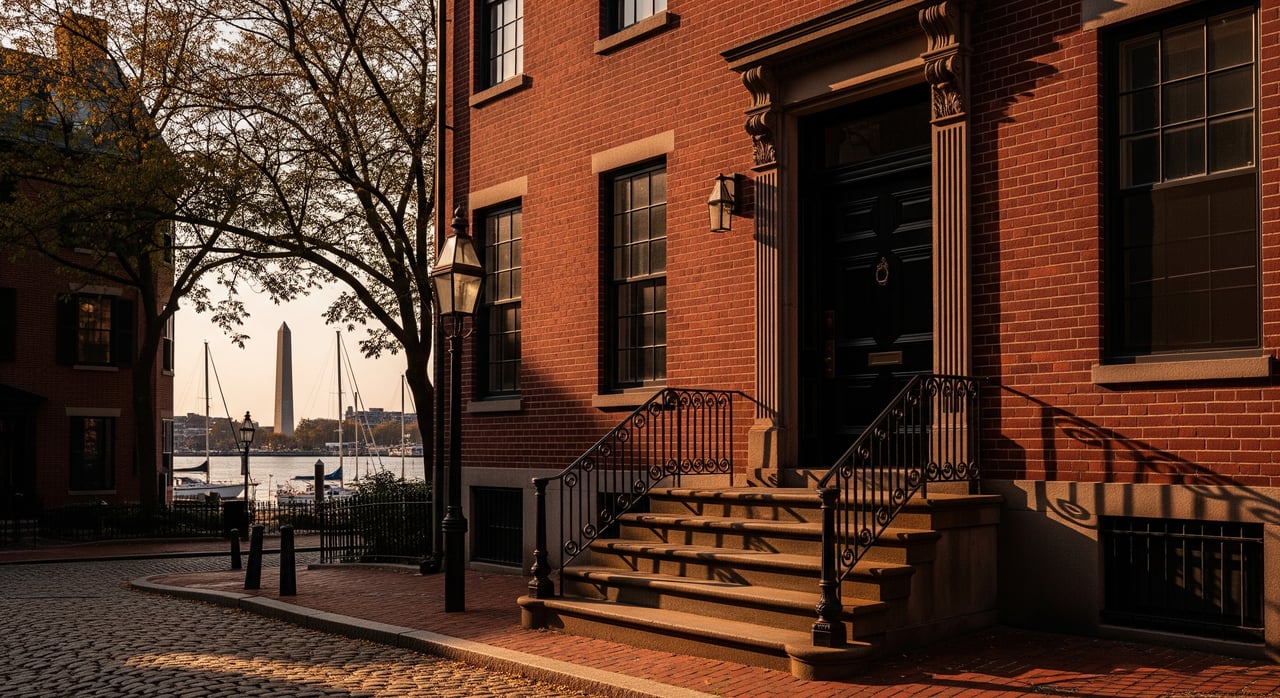
Brownstones are the South End’s signature housing type, especially along streets such as Tremont Street, Columbus Avenue, and Massachusetts Avenue. Many buyers are drawn to the historic character, the classic brick façades, and the sense of living within one of Boston’s most recognizable architectural settings.
In practical terms, brownstone living often means more charm and more compromise at the same time. Older rowhouses may have smaller rooms, more stairs, and less obvious parking solutions. If you love architecture first and can live comfortably with an older floor plan, that tradeoff may feel worthwhile.
SoWa is widely known as the South End’s art and design district, with restaurants, galleries, studios, and housing in reclaimed industrial warehouse buildings. The area’s industrial past still shapes the housing experience you find there today.
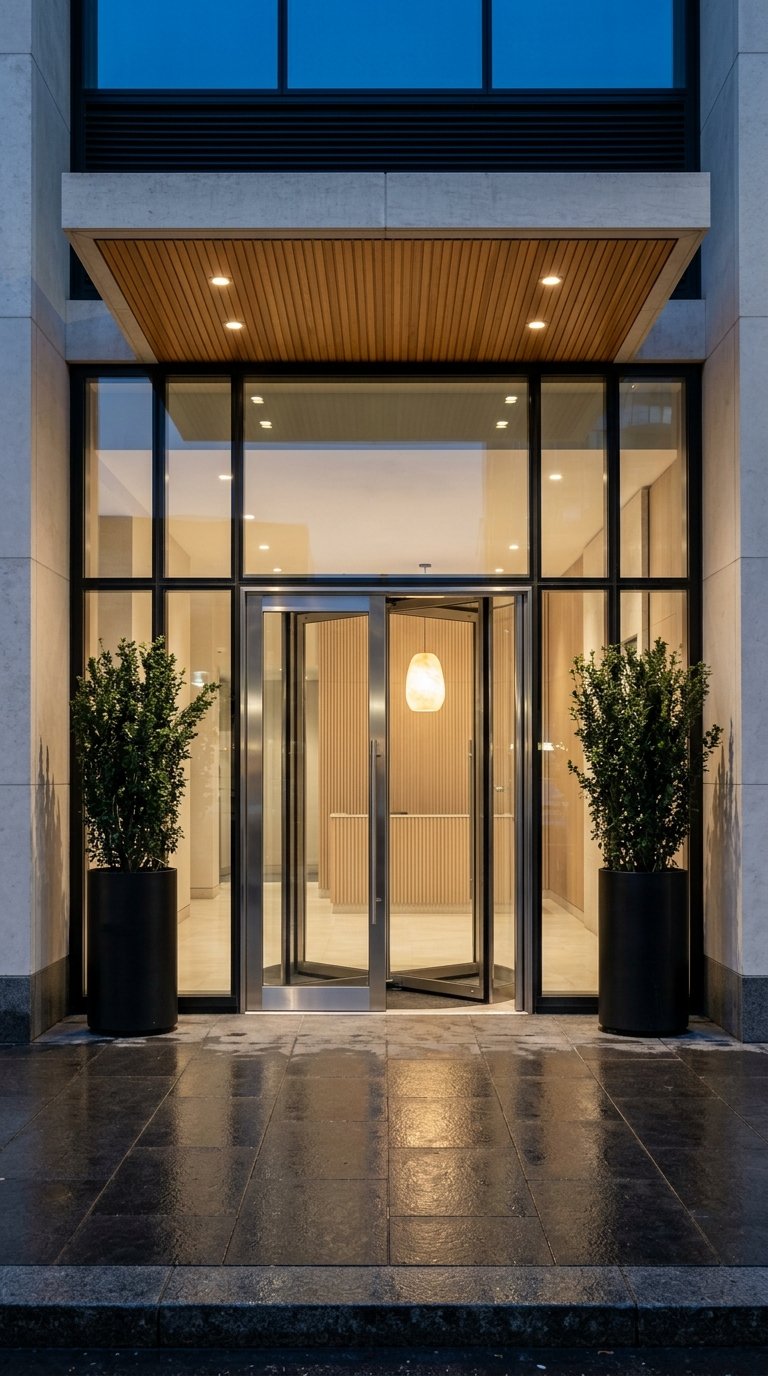
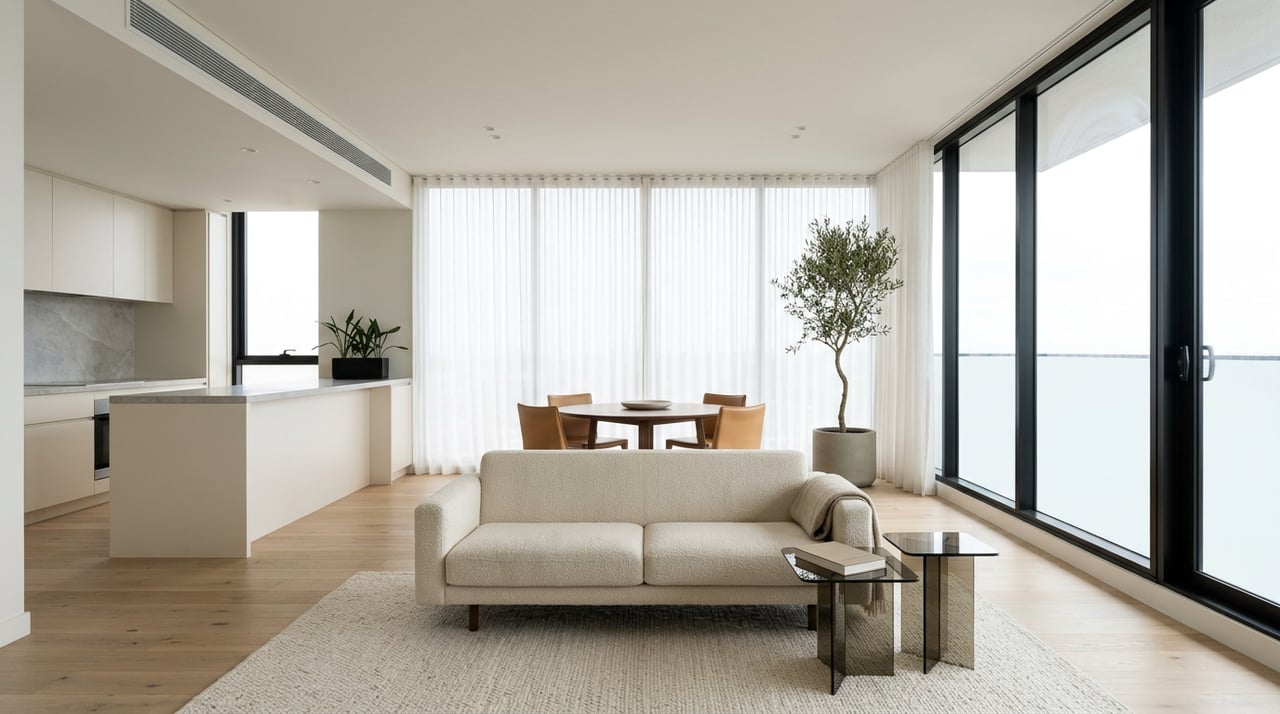
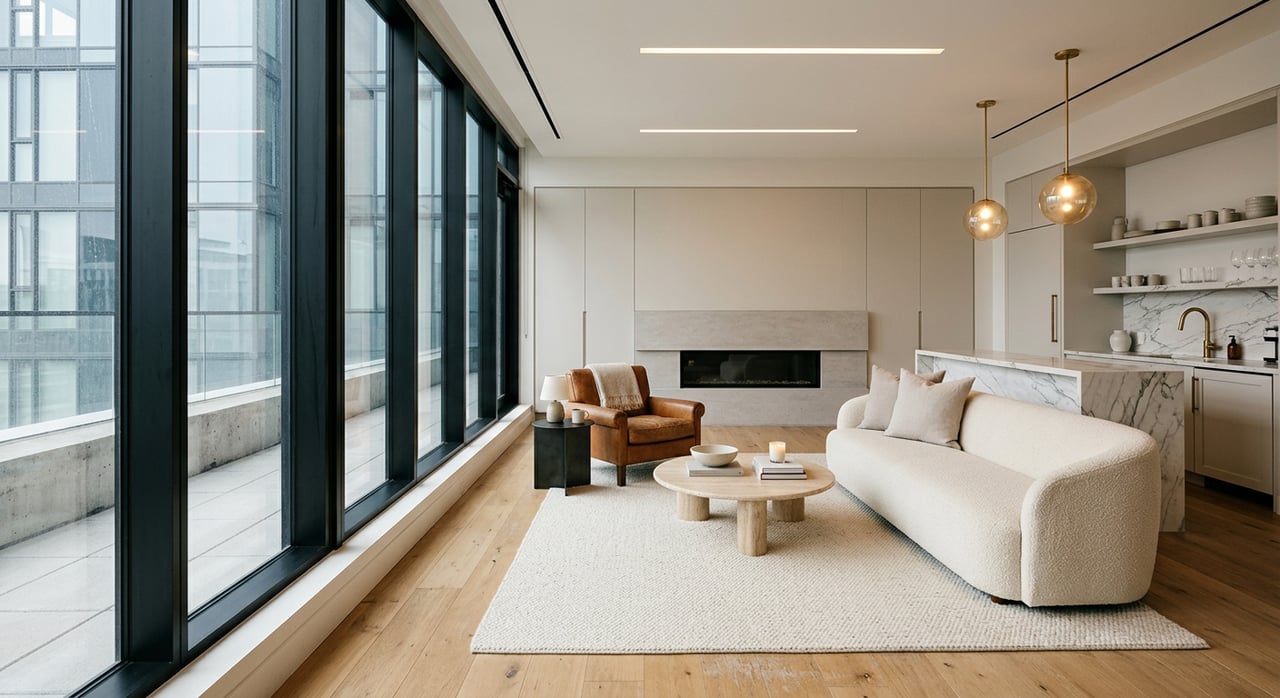
For many buyers, lofts are about openness and light. You are often trading enclosed rooms for higher volume, larger windows, and a more flexible, industrial-feeling layout. If you want clean sight lines and a less traditional room count, a loft near Harrison Avenue or the SoWa corridor may be a strong fit.
Many South End purchases are condo conversions within older buildings. That can give you a compelling middle ground: historic character with a shared-maintenance structure.
In Massachusetts, condos are governed by the master deed, bylaws, deed, and Chapter 183A. Those documents define unit boundaries, common areas, limited common elements, maintenance obligations, insurance, voting, reserve funds, and assessments. For you, that means the building structure matters almost as much as the unit itself.
When buyers compare South End homes, the visuals usually come first. But after the showing, the better questions are often about how the property will live over time.
A beautiful parlor-level brownstone condo may feel perfect until you realize the outdoor space is limited, the stairs are steep, or the parking plan is less certain than expected. A dramatic loft may look expansive and bright, but the open layout may not suit how you actually work, host, or divide space.
A brownstone is often the stronger fit if your priority is architecture, period detail, and the classic South End streetscape. Many buyers who choose brownstones want a home that feels rooted in the neighborhood’s Victorian identity.
You may also appreciate the townhouse-like quality that many brownstone residences offer. Just make sure you are honest about the practical side, especially stairs, room proportions, and how parking works.
A loft may be the better fit if you care most about openness, light, and a more industrial aesthetic. This style can work especially well if you prefer flexible living space over more traditional room separation.
That said, open volume is not always the same as easy functionality. Before you move forward, think carefully about storage, privacy, sound, and whether the layout matches how you want to live each day.
This is one of the most important issues buyers overlook. In the South End Landmark District, exterior work on front façades, rooftops visible from a public way, and side or rear elevations that directly face a public way may require review by the South End Landmark District Commission.
The city requires complete applications at least 15 business days before a hearing. Boston also says you should not start work or buy materials until approval is received. If you are buying with plans for a roof deck, visible condenser, façade change, or addition, timing and cost may be different from what you first expect.
Brownstone buyers often imagine making visible exterior improvements after closing. In the South End, that process can be more structured than expected because review may apply to certain exterior changes.
That does not mean improvements are impossible. It means you should treat renovation plans as a due diligence item, not an assumption.
Lofts and condo conversions can face similar questions, especially when proposed work affects exterior elements or visible rooftop conditions. If a future project is part of your buying decision, confirm early whether review may be required.
This is especially important if a listing markets features like roof access potential or exterior upgrades. You want the real approval path, not just the idea of one.
In the South End, parking is often a major differentiator between two otherwise similar homes. Boston’s resident parking system is neighborhood-specific and gives residents preferential access to on-street spaces. The city also states that permits are free, that it is not currently accepting petitions for new resident parking permit locations, and that Boston does not issue visitor parking permits.
For buyers, that means parking should never be treated casually. A space may be deeded, assigned, rented, or dependent on street permit parking, and those are not equivalent.
Before you move forward on any South End property, confirm exactly how parking works. A simple listing note is not enough if parking is important to your lifestyle.
Ask questions such as:
In a South End condo conversion, the monthly fee is only one piece of the picture. Massachusetts requires condominium associations to maintain an adequate replacement reserve fund, collected as part of common expenses and kept separate from operating funds.
That is why a lower fee is not always a better answer. In an older building, the more important question may be whether the association is well funded and how it handles repair, insurance, and long-term maintenance.
The condo documents tell you how the building actually works. They define what belongs to your unit, what is common area, who maintains what, how assessments are handled, and how decisions are made.
For a South End buyer, that review is especially important because many buildings combine age, architectural character, and shared ownership structure. A polished interior does not tell you whether the association is financially healthy.
In older conversions, deferred maintenance can become expensive quickly. A thin reserve fund or a history of assessments may signal that future costs could be passed through to owners.
This is one of the places where disciplined due diligence protects both your budget and your peace of mind. The finish level may win your attention, but the building’s financial structure often has the bigger long-term impact.
If you are torn between a brownstone and a loft, start with your non-negotiables. Think about whether you care more about architectural character or open space, whether stairs are a concern, how important private outdoor space is, and what kind of parking setup you need.
Then look at the building layer just as carefully as the design layer. In the South End, your ownership experience is shaped not only by the unit itself, but also by landmark rules, condo governance, reserve funding, and parking structure.
For many buyers, the best choice is the one that aligns with how they actually live, not just what photographs best. A disciplined comparison now can help you buy with more confidence and fewer surprises later.
If you are weighing a classic brownstone against a loft near SoWa, a tailored strategy can save time and sharpen your decisions. For discreet, high-touch guidance on South End buyer representation, schedule a private consultation with Gabrielle Baron.
Stay up to date on the latest real estate trends.
Get assistance in determining current property value, crafting a competitive offer, writing and negotiating a contract, and much more. Contact me today.