Back Bay Brownstone vs Tower Living: Which Fits You?
Trying to choose between a Back Bay brownstone and a luxury tower condo? In this part of Boston, that decision shapes more than your address. It affects how you move through your day, what you pay each month, and how much hands-on ownership you want. If you are weighing historic charm against full-service ease, this guide will help you compare the tradeoffs with more clarity. Let’s dive in.
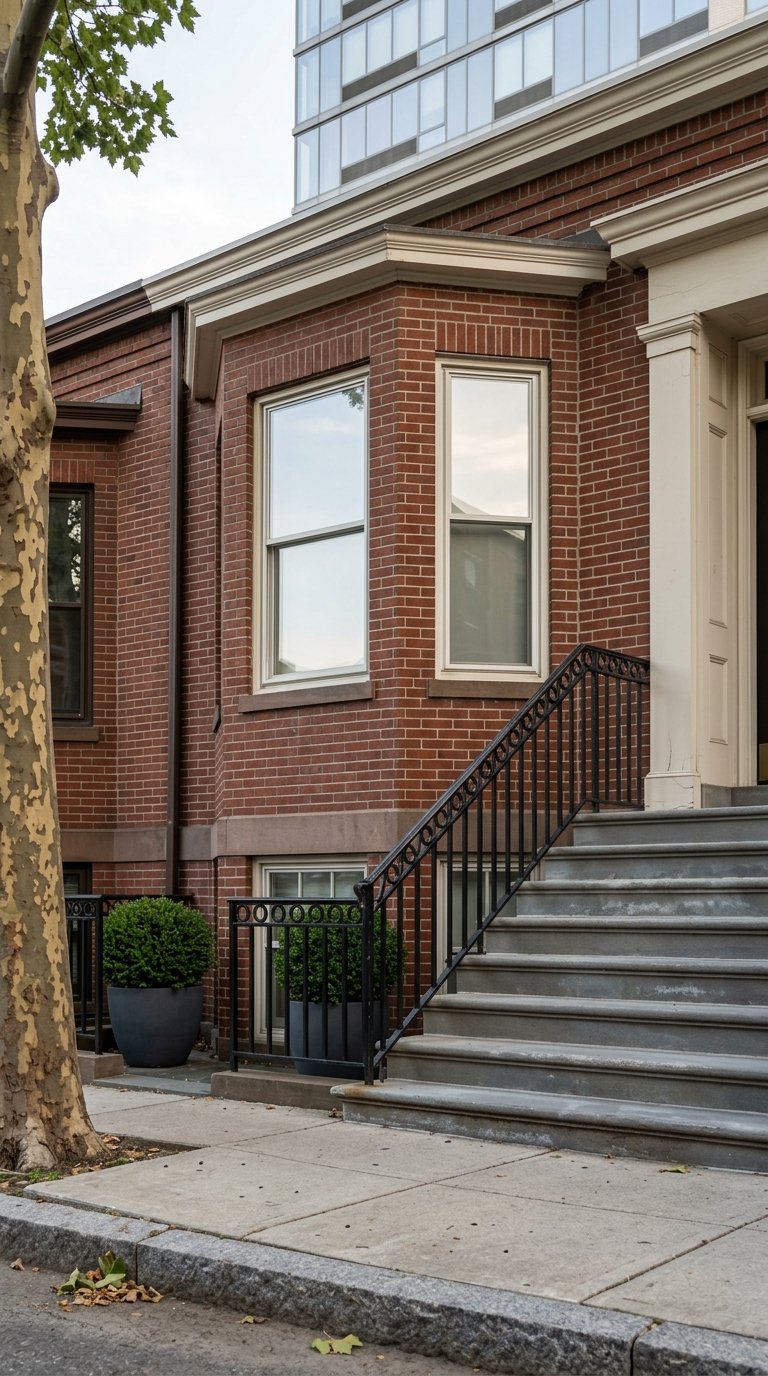
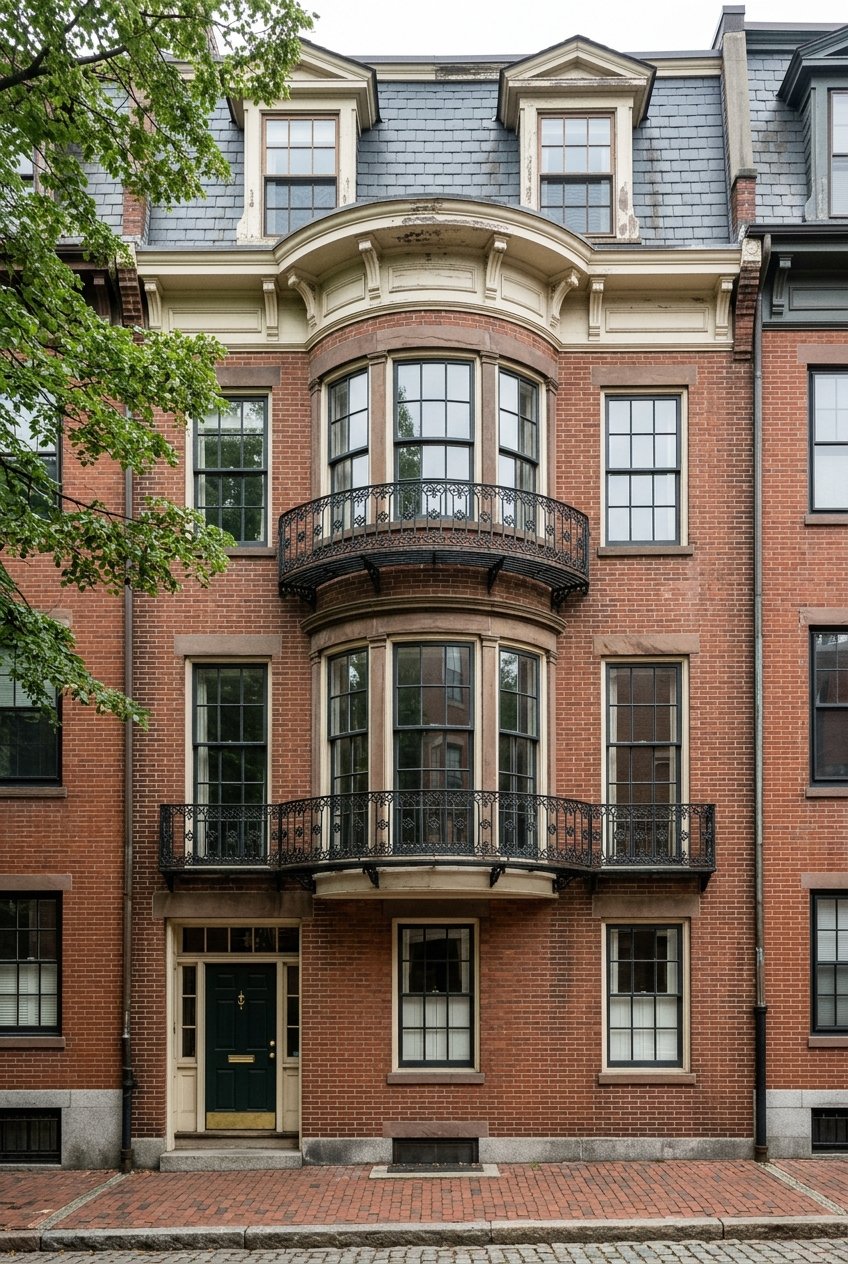
Back Bay stands apart because it brings together two very different residential experiences in one neighborhood. Boston describes it as a protected historic district known for Victorian row houses, brick sidewalks, and major commercial corridors where taller buildings are part of the streetscape.
It is also a premium market. Recent Redfin data shows a median sale price around $1.5 million, which means buyers are often choosing between properties at a high level, not deciding between luxury and non-luxury. In many cases, the real question is which kind of luxury fits your life better.
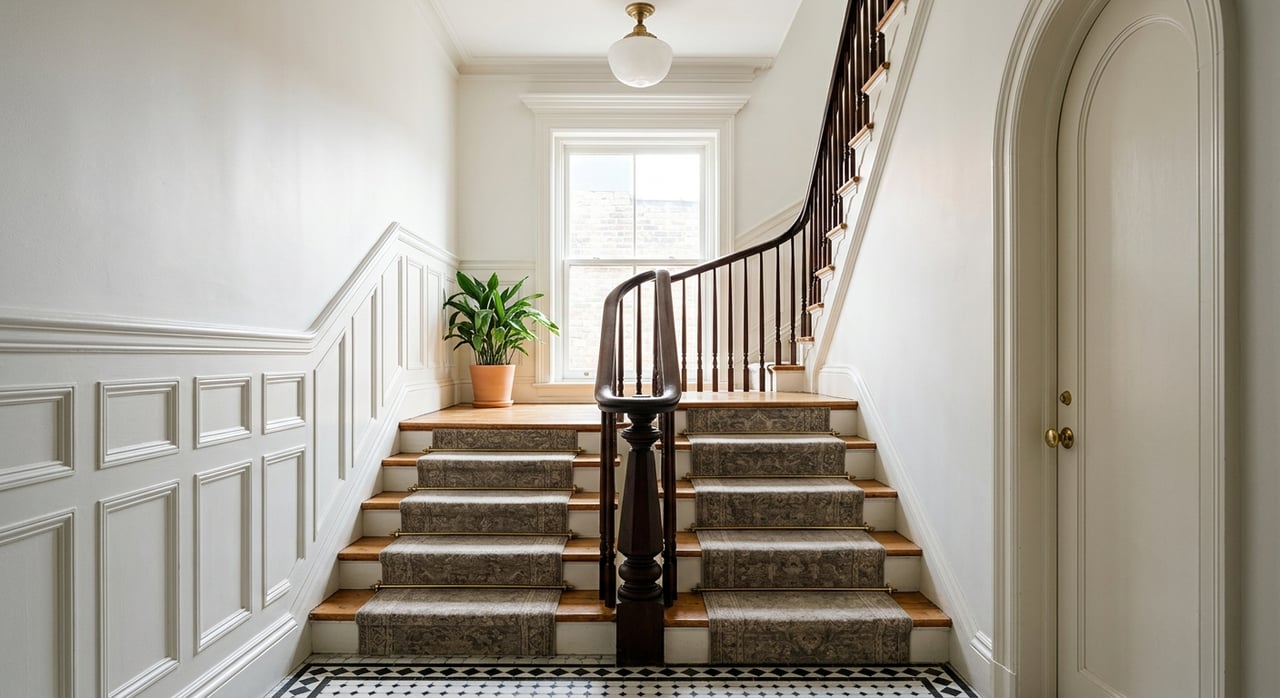
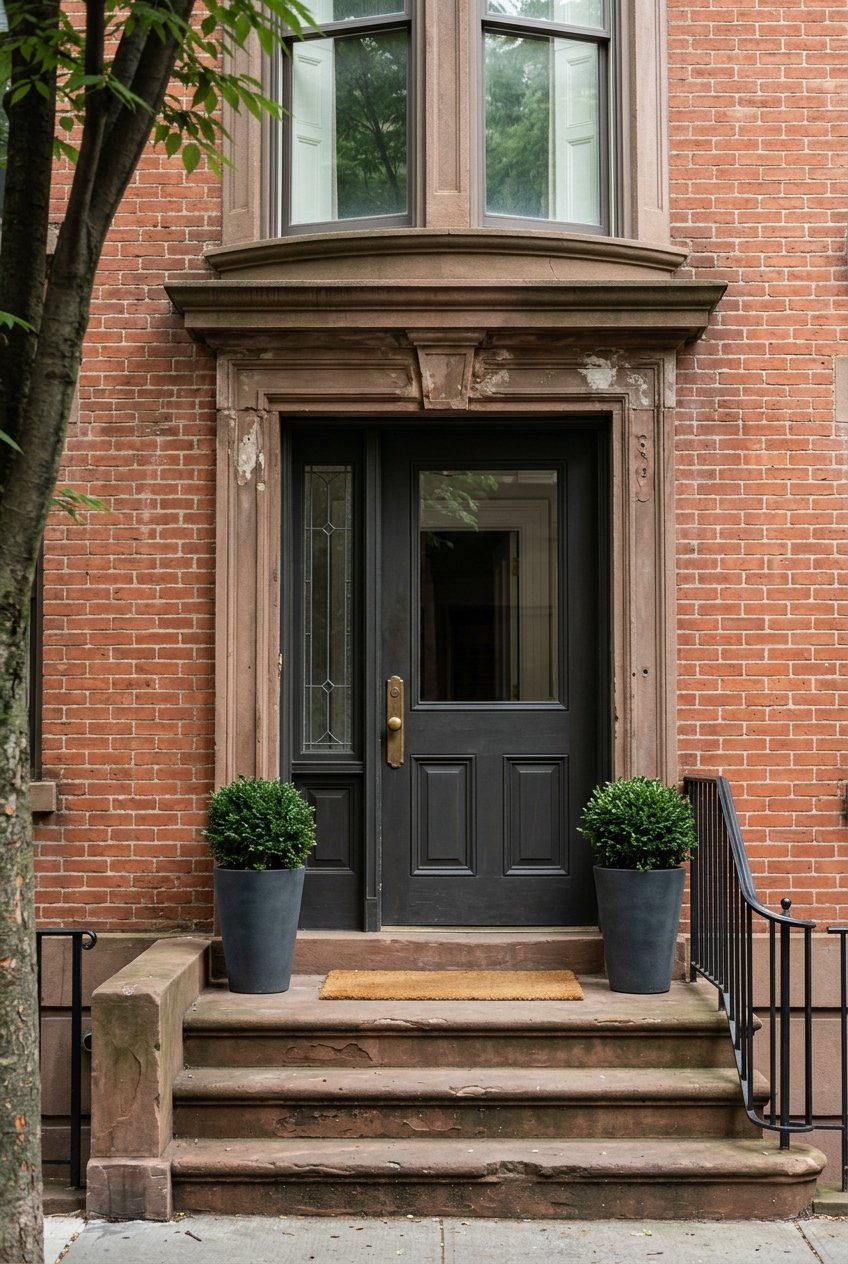
A classic Back Bay brownstone was designed as a vertical home. A Historic American Buildings Survey report for a representative townhouse describes a layout with basement service areas, formal first-floor living spaces, upper-floor bedrooms, and a staircase running from the first to fifth floor.
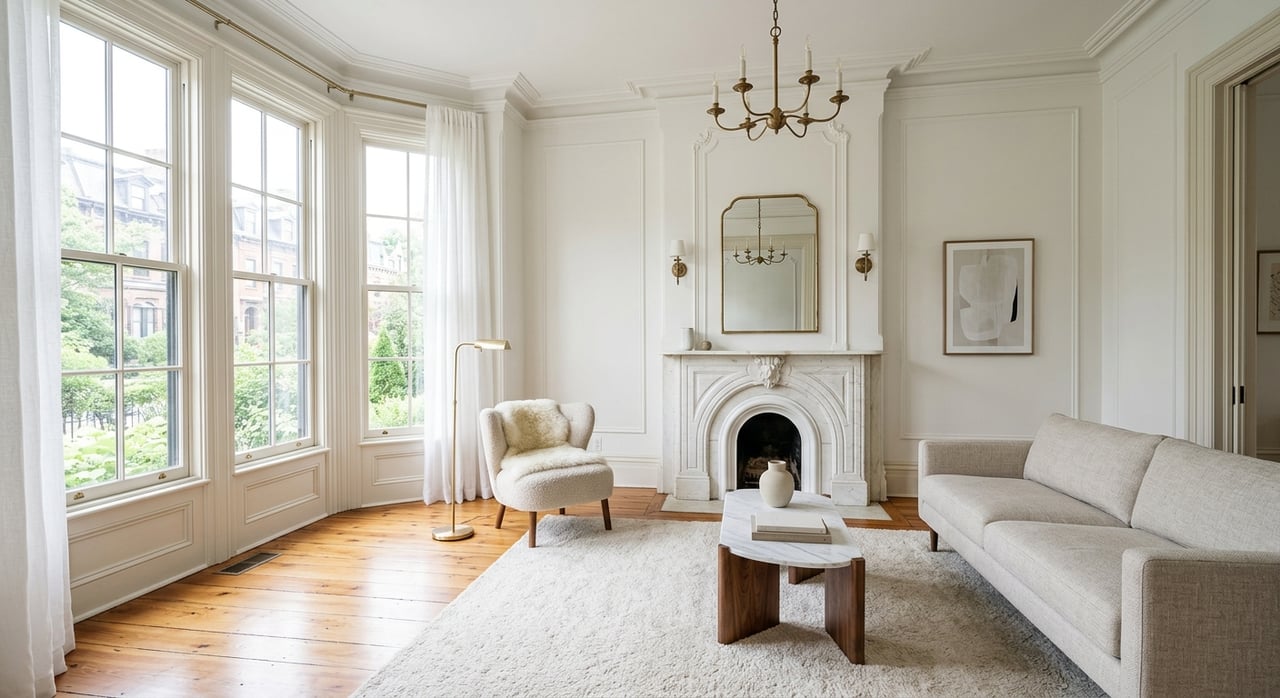
That design still affects daily life today. Even when a brownstone has been converted into condos, the homes often feel more segmented and room-by-room than a modern tower unit. You may get beautiful original woodwork, fireplaces, and elongated bay windows, but you are also more likely to live with stairs and a less standardized layout.
For many buyers, brownstones offer a kind of character that cannot be replicated in new construction. The appeal often includes:
That said, not every brownstone condo is the same. Some renovated buildings add modern features like elevators or in-building laundry, but those upgrades are specific to each property rather than standard across the category.
Current listings show how varied brownstone living can be. One active residence at 357 Beacon features a floor-through layout, direct-access parking, private storage, central air, and an HOA of $360 per month that covers water, sewer, insurance, and structure maintenance.
Another recent example at 457 Beacon offered a two-level layout with a private backyard and parking, along with a $290 monthly HOA that included heat, gas, water, sewer, insurance, trash, and reserve funds. These examples show that brownstone ownership can pair historic setting with modern convenience, but the package depends heavily on the specific building.
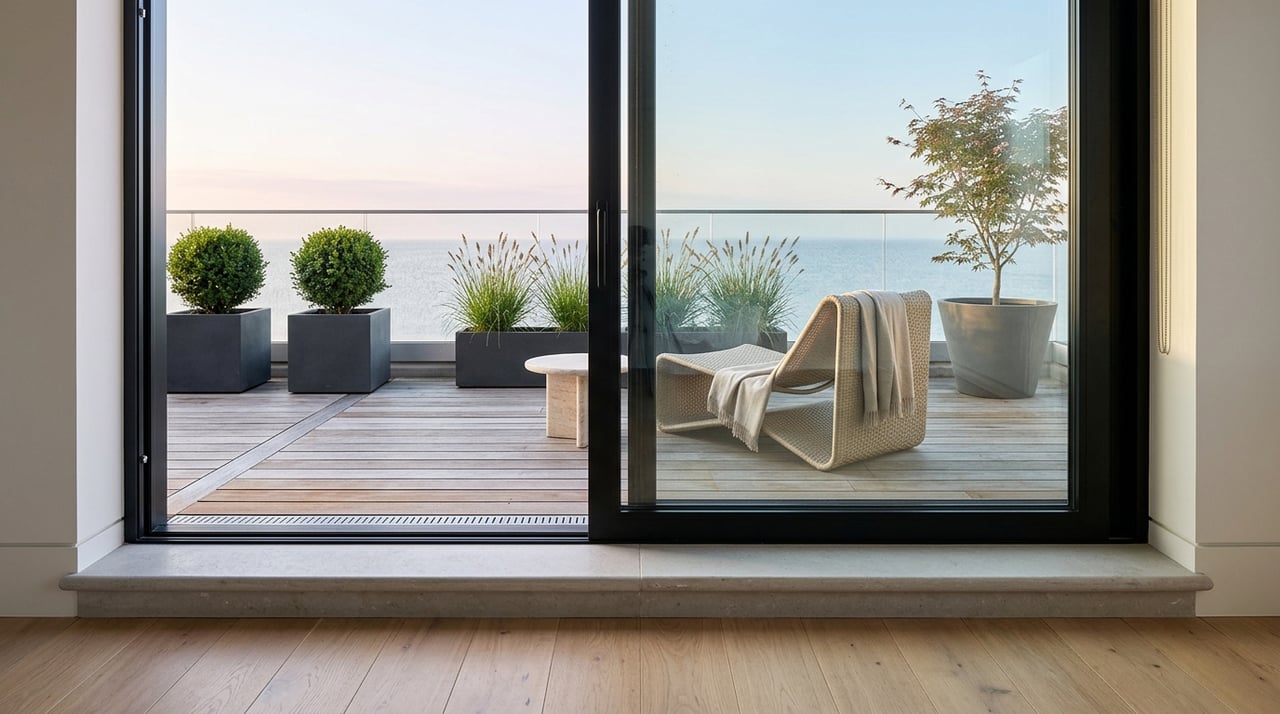
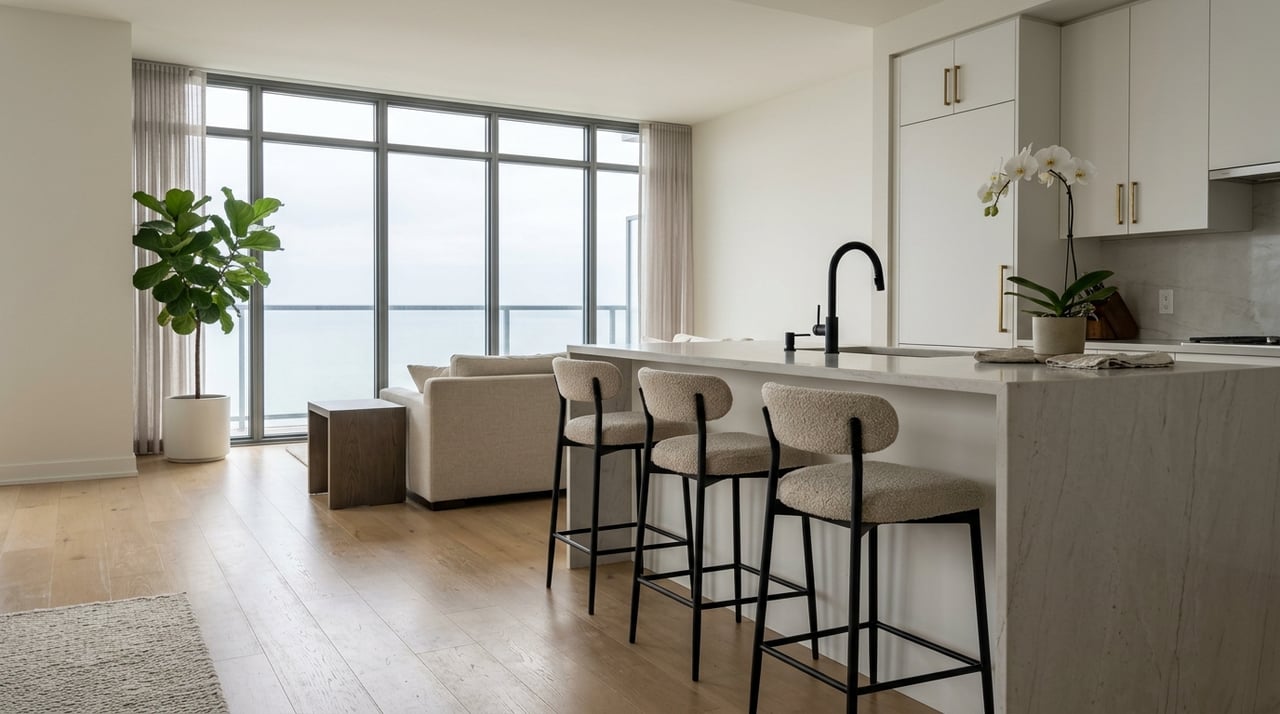
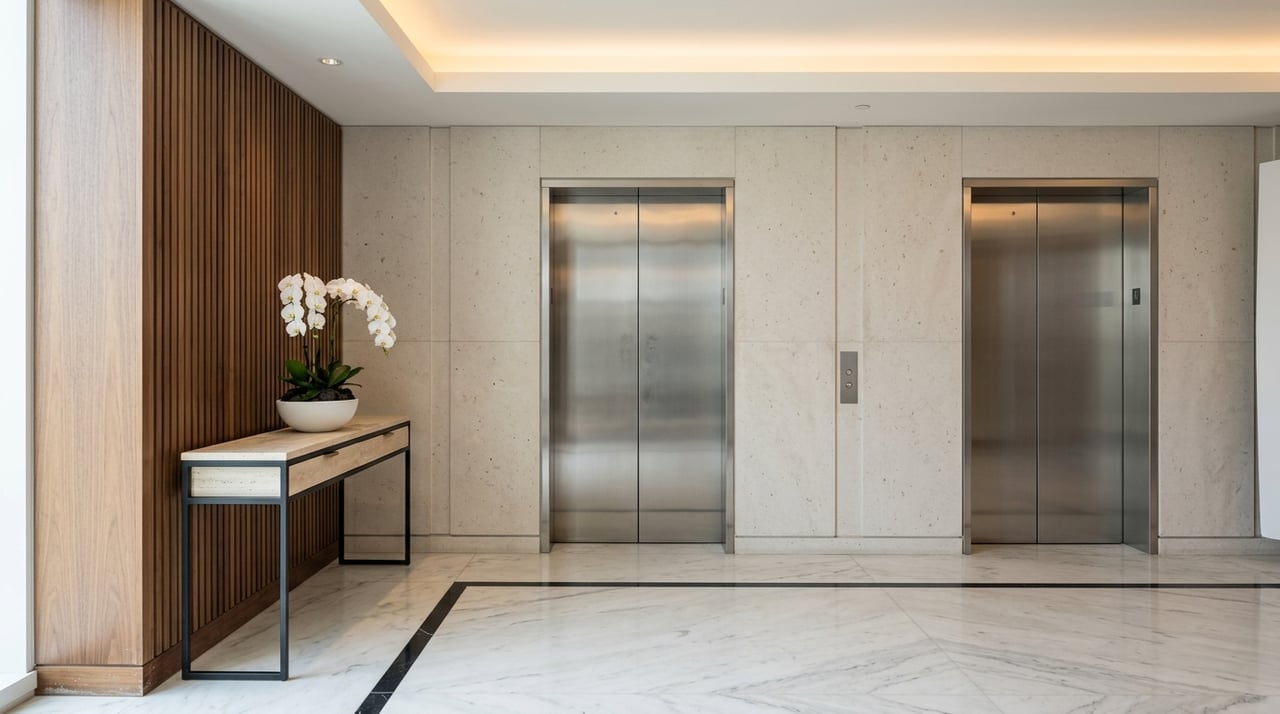
Luxury towers in Back Bay are a different product category entirely. Instead of emphasizing historic texture and individualized layouts, they often center on convenience, amenities, and professional building management.
At One Dalton, the official residences page highlights a private lobby, members club, residents lounge, children’s playroom, golf simulator and bar, private dining, private cinema, media room, and fitness offerings. The building opened in 2019 and includes 174 private residences.
Mandarin Oriental Residences in Back Bay presents a similarly service-focused model. Features listed include 24-hour concierge, valet, housekeeping, security, hotel signing privileges, in-residence dining and catering, pre-arrival maintenance, and a private underground garage.
If you want a more turnkey experience, tower living can be a strong fit. Buyers are often drawn to:
For relocating executives, pied-à-terre buyers, or anyone who values time savings, those benefits can carry real weight. In practice, tower living often shifts more of the ownership burden into a larger monthly association fee.
One of the clearest differences between brownstones and towers in Back Bay is the monthly carrying cost structure. Your total cost usually includes mortgage principal and interest, Boston property tax, condo or HOA dues, insurance, and utilities.
Boston’s FY26 residential property tax rate is $12.40 per $1,000 of assessed value. The city also offers a residential exemption for qualifying principal-residence owners, with savings of up to $4,353.74. For full-time owners, that can materially improve the math.
Current examples show a notable gap in monthly dues. Brownstone listings cited above sit in the $290 to $360 per month range, while active One Dalton examples show dues of $2,729 and $3,280 per month.
That difference reflects what the dues are paying for. In a brownstone, the association may cover a narrower set of shared expenses. In a full-service tower, dues often support staff, amenities, security, elevators, common systems, and more extensive maintenance.
| Home Type | Example HOA Range | Typical Fee Profile |
|---|---|---|
| Back Bay brownstone condo | $290 to $360/month | Lower-overhead shared expenses, building-specific services |
| Back Bay luxury tower condo | $2,729 to $3,280/month | Full-service staffing, amenities, security, major common systems |
This does not mean brownstones are always cheaper overall. Purchase price, taxes, utilities, insurance, and future maintenance all matter. But if monthly dues are a major factor in your search, the contrast is hard to ignore.
If you are thinking ahead about improvements, brownstones and towers differ in important ways. Back Bay’s historic district status means exterior work on brownstones is subject to review by the Back Bay Architectural Commission before construction begins.
Boston’s guidelines tightly control or restrict many visible exterior changes. That includes certain roof decks, roof access structures, skylights, changes to window openings, new balconies on primary elevations, abrasive masonry cleaning, and visible rooftop mechanical equipment. Replacement materials are also expected to match original appearance and texture.
Owning a brownstone can be deeply rewarding, but it usually calls for a more specialized mindset. You are not just buying a home. You are also buying into preservation rules, older materials, and a building type that may require more thoughtful planning over time.
A luxury tower often offers a more standardized ownership experience. Building management usually handles common-area systems and many operational details, which can make ownership feel more predictable, especially for buyers who prefer convenience over customization.
For many buyers, this decision comes down to how you want your home to function every day. Both property types can be exceptional, but they solve different problems.
A brownstone may be the stronger fit if you want architectural character, a more intimate residential scale, and potentially lower monthly dues. A tower may make more sense if you value elevator access, staff support, amenities, and a more lock-and-leave lifestyle.
Ask yourself these questions as you compare options:
Those answers usually point you in the right direction faster than square footage alone.
In Back Bay, brownstones and luxury towers are not competing versions of the same home. They offer two distinct ways to live in one of Boston’s most established and recognizable neighborhoods.
If you want history, texture, and a more tailored ownership experience, a brownstone may feel right. If you want service, ease, and a polished full-service environment, tower living may be the better match. The key is understanding the true cost, the daily experience, and the ownership responsibilities before you commit.
When you are ready to compare specific Back Bay opportunities with a sharper lens, Gabrielle Baron can help you evaluate the details that matter most and guide you with the discretion and local insight this market demands.
Stay up to date on the latest real estate trends.
Get assistance in determining current property value, crafting a competitive offer, writing and negotiating a contract, and much more. Contact me today.