Strategic Listing Prep for Back Bay Condos and Homes
Thinking about selling in Back Bay within the next year? In this neighborhood, smart listing prep is not just about making your home look polished. It is about presenting the property well, respecting the building’s architectural character, and timing the launch so you are ready when the market window opens. If you want a smoother path to market and a more strategic plan, this guide will help you focus on what matters most. Let’s dive in.
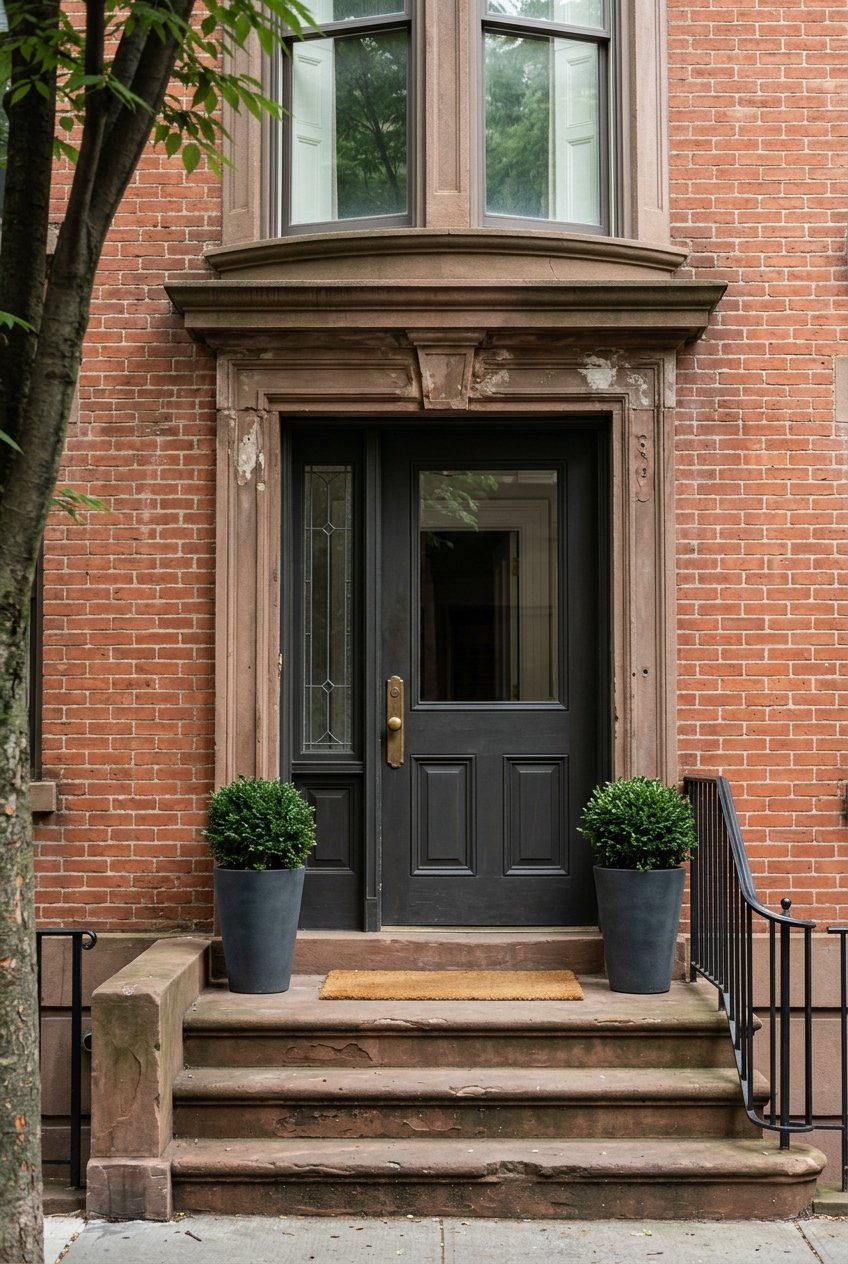
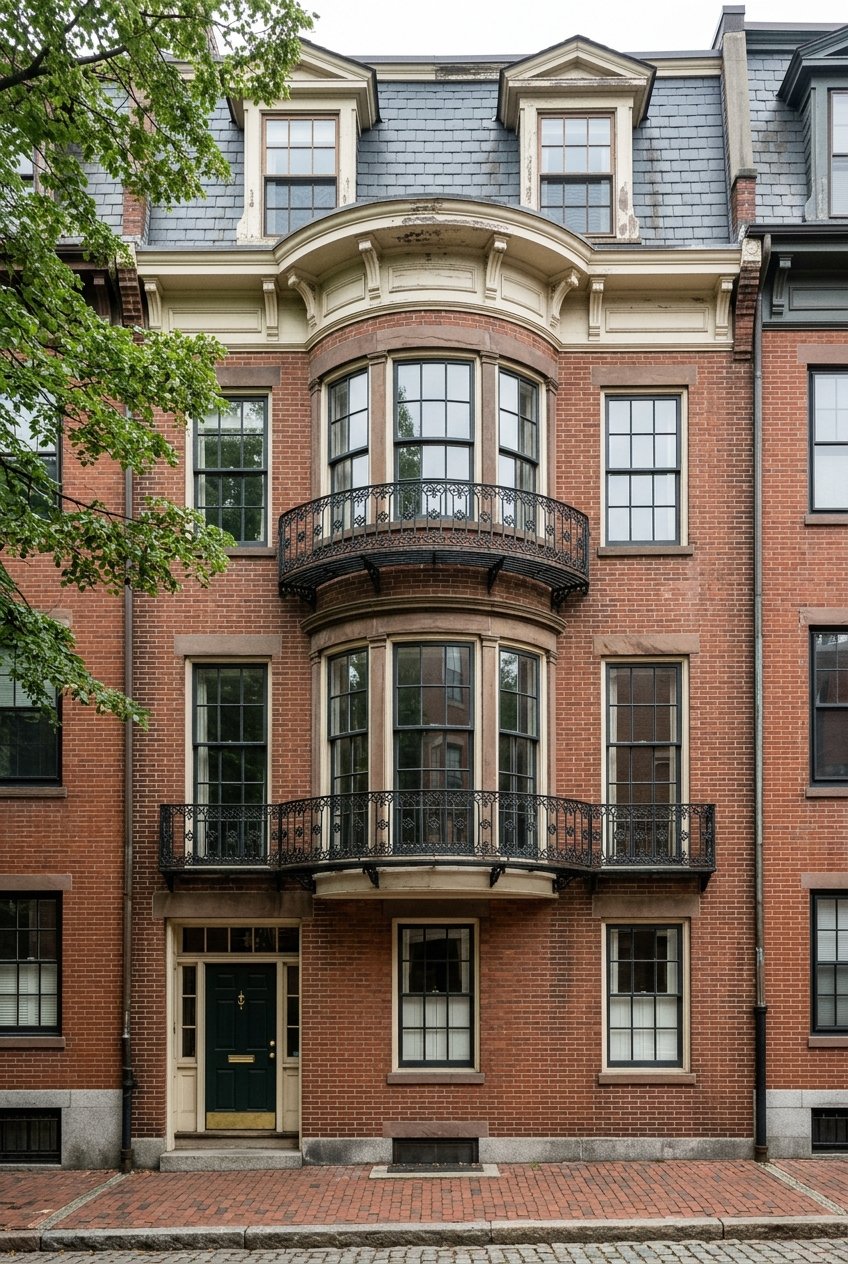
Back Bay is not a typical condo or townhouse market. The neighborhood sits within the Back Bay Architectural District, which was created to preserve the area’s historic character, scale, and materials. That means your prep plan should go beyond surface-level cleanup and consider how the home fits into the broader architectural context.
That matters because even small exterior changes may be regulated. In Back Bay, Boston requires review and approval for proposed exterior work in the district before work begins. If you wait until the last minute to sort that out, your ideal listing timeline can quickly get pushed back.
The market also rewards disciplined presentation. Recent data from neighborhood market dashboards showed Back Bay as a premium market, with reported median prices varying by source but both pointing to a high-value environment where pricing and presentation matter. Reported days on market were also measured in weeks, not months, which makes first impressions especially important.
If a sale is even a possibility in the next 12 months, it is worth starting the prep conversation now. Early planning gives you time to separate cosmetic tasks from work that may need building approval, city review, or permits. It also helps you avoid rushed decisions that can lead to unnecessary spending.
Timing research also supports a proactive approach. Realtor.com identified the week of April 12 to 18, 2026 as the strongest national selling window, while Redfin’s 2026 analysis pointed to late April, with late March through mid-May as the strongest general listing period. For a Back Bay seller, the takeaway is simple: work backward from your target launch date so the property is fully ready before the spring market arrives.
The best prep plan is usually not the biggest one. It is the one that improves what buyers will notice immediately when they walk in or scroll through photos online. That often means targeted cosmetic improvements, careful editing of the space, and elevated presentation.
According to the 2025 Profile of Home Staging, sellers’ agents reported that staging increased the dollar value offered by 1% to 10% in many cases, and 49% said staging reduced time on market. Buyers’ agents also said staging helps buyers visualize the property as a future home. In a market like Back Bay, that visualization piece matters.
The same report found that the rooms with the greatest staging impact were the living room, primary bedroom, and kitchen. It also highlighted the most common seller recommendations: decluttering, deep cleaning, and improving curb appeal. For most sellers, those are the first places to invest time and attention.
Many Back Bay sellers assume they need to complete a major renovation before going to market. In many cases, that is not the strongest move. A more effective path is often a middle ground: clean, repair, stage, and selectively refresh without taking on a full construction project.
This matters even more in a historic district. The Back Bay residential guidelines emphasize maintaining and repairing historic materials and features rather than replacing them. Alterations to primary facades other than restoration are generally considered inappropriate, and even some changes that are not visible from the street may still fall under the commission’s jurisdiction.
For sellers, the practical takeaway is to be selective. If a buyer will notice dated paint, worn finishes, poor lighting, or clutter, those are strong candidates for improvement. If a project risks permit delays, architectural review, or a large budget without a clear presentation benefit, it may not be the right pre-listing move.
One of the biggest listing prep mistakes in Back Bay is treating exterior work as simple maintenance. In this neighborhood, exterior changes often require review by the Back Bay Architectural Commission before work begins. Boston also advises owners to contact staff early, submit complete applications, and avoid starting work or buying materials before approval is confirmed.
The commission meets on the second Wednesday of each month, and applications must be received at least two weeks before a hearing. That schedule alone is a good reason to start early if your prep plan includes any exterior scope. Even a modest refresh can affect your timeline.
For condo owners, there is another layer to keep in mind. The Back Bay guidelines state that multi-owner buildings are considered and treated uniformly. In other words, exterior updates are usually not just a personal design decision.
City permits are another area where early planning helps. Boston’s permit guidance makes a useful distinction between simple cosmetic work and more involved renovation. For example, replacing kitchen cabinets alone does not require a permit.
But once a project involves walls, plumbing, electrical, exhaust, or structural changes, permits may be required. Boston notes that short-form permits are used for minor alterations that do not change the structure or use of the home, while long-form permits apply to larger changes such as moving structural walls, egresses, windows, or doorways. If your listing prep touches any of those areas, it is wise to confirm the scope before work begins.
In a premium neighborhood, buyers often see your property online before they ever schedule a showing. That makes listing media one of the most important parts of pre-market preparation. The staging research found that buyers’ agents ranked photos as the most important listing content, followed by traditional staging, videos, and virtual tours.
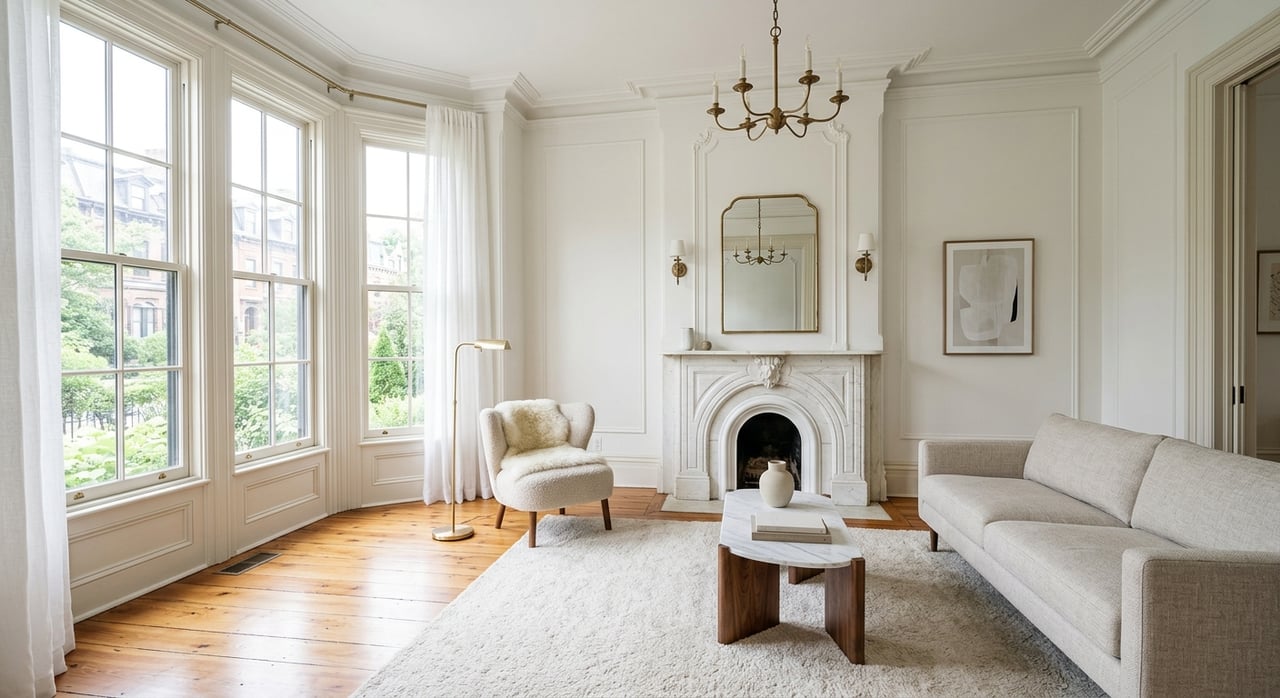
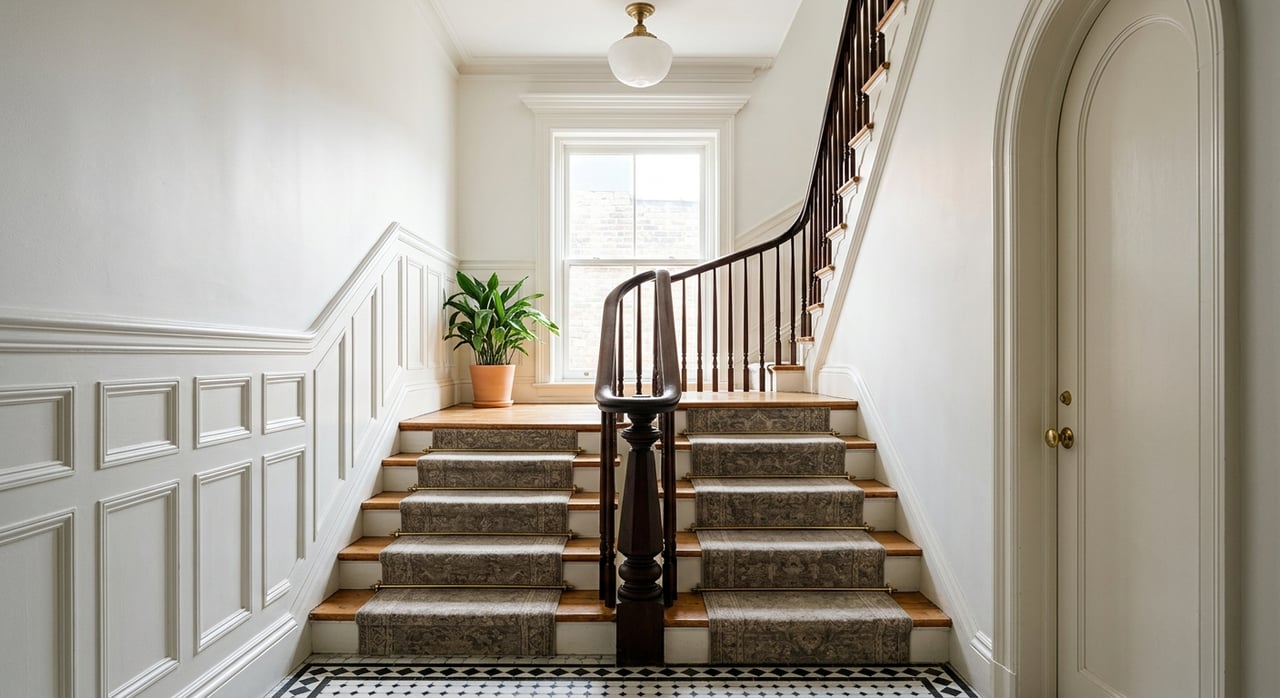
For a Back Bay condo or townhouse, strong media should highlight scale, natural light, architectural detail, and flow. Tall windows, moldings, wood floors, and clean sightlines tend to perform best when the home is edited carefully and photographed professionally. The goal is not to over-style the property. It is to help buyers see quality, proportion, and livability right away.
If you want to keep the process efficient, it helps to follow a clear order of operations. That reduces delays and keeps your budget focused on the work most likely to improve presentation.
This kind of sequence is especially helpful in Back Bay because the local review process can affect timing. It also keeps you from spending on upgrades that do not meaningfully improve market presentation.
Some sellers have the time to manage every moving part themselves. Many do not. If you are balancing work, travel, relocation, or a concurrent purchase, concierge-style support can make the prep period much easier to manage.
William Raveis offers Raveis Refresh as a pre-listing concierge service designed to support cosmetic and operational preparation. According to program materials, it may cover painting, professional staging, light carpentry, deep cleaning, decluttering, moving assistance, and other pre-sale tasks, with the scope curated alongside the agent and project-managed through completion. The materials also state that there are no upfront costs to the homeowner.
For Back Bay sellers, that can be a useful tool when the goal is to improve presentation without taking on a major renovation alone. It also supports a more orderly path from planning to launch.
In Back Bay, listing prep works best when it is thoughtful rather than rushed. The strongest results often come from a focused plan that respects the home’s architecture, improves what buyers notice first, and accounts for any approvals before they become a problem.
If you are considering a sale, the right strategy is rarely all or nothing. A disciplined mix of cosmetic updates, staging, professional media, and careful timing can position your condo or home more effectively without unnecessary disruption. For a private consultation and a tailored prep plan for your property, connect with Gabrielle Baron.
Stay up to date on the latest real estate trends.
Get assistance in determining current property value, crafting a competitive offer, writing and negotiating a contract, and much more. Contact me today.