How Back Bay Luxury Condo Prices Reflect True Value
If you are trying to price or buy a luxury condo in Back Bay, one number will not tell you enough. In this neighborhood, a broad median can hide major differences between a full-service tower residence, a classic brownstone floor-through, and a rare trophy home with views, parking, and outdoor space. If you want to evaluate value with more confidence, you need to look at Back Bay the way the market actually works. Let’s dive in.
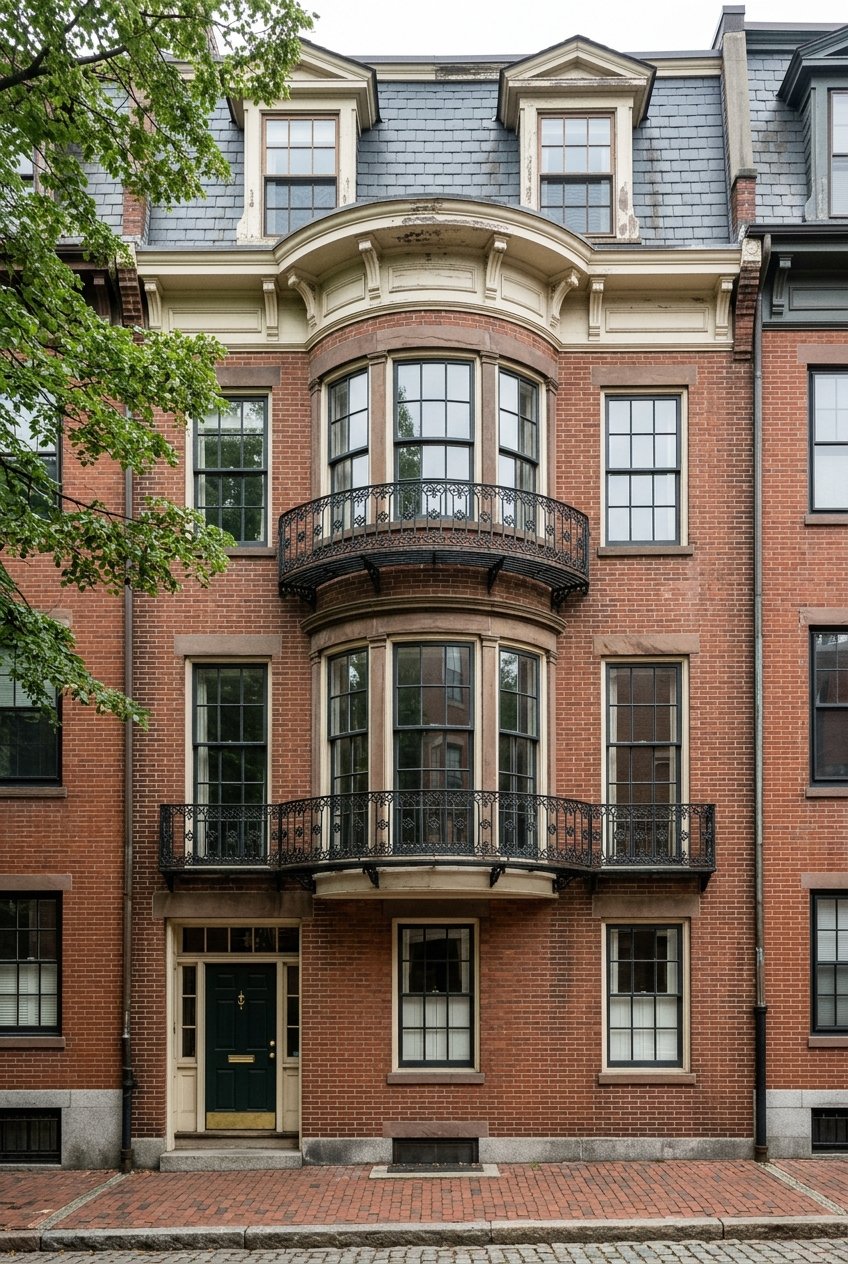
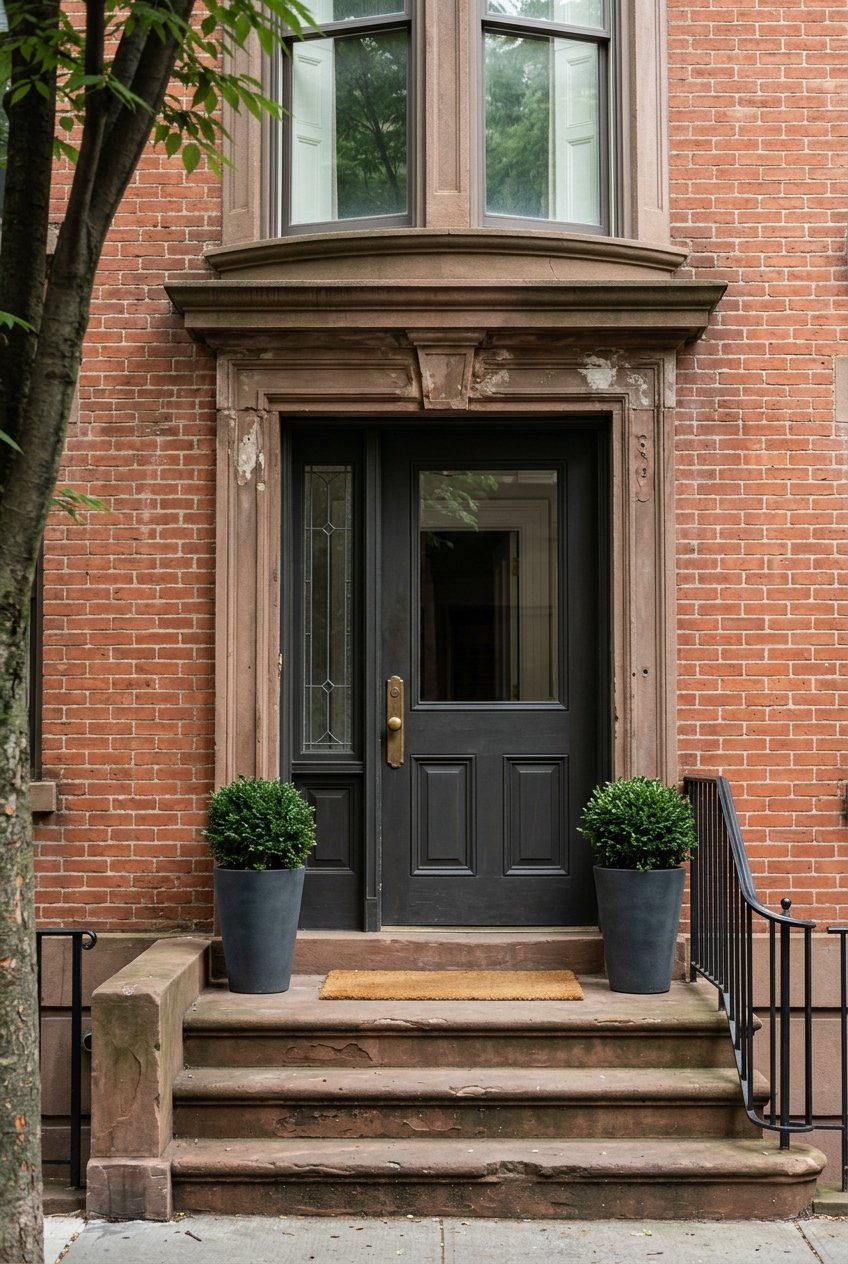
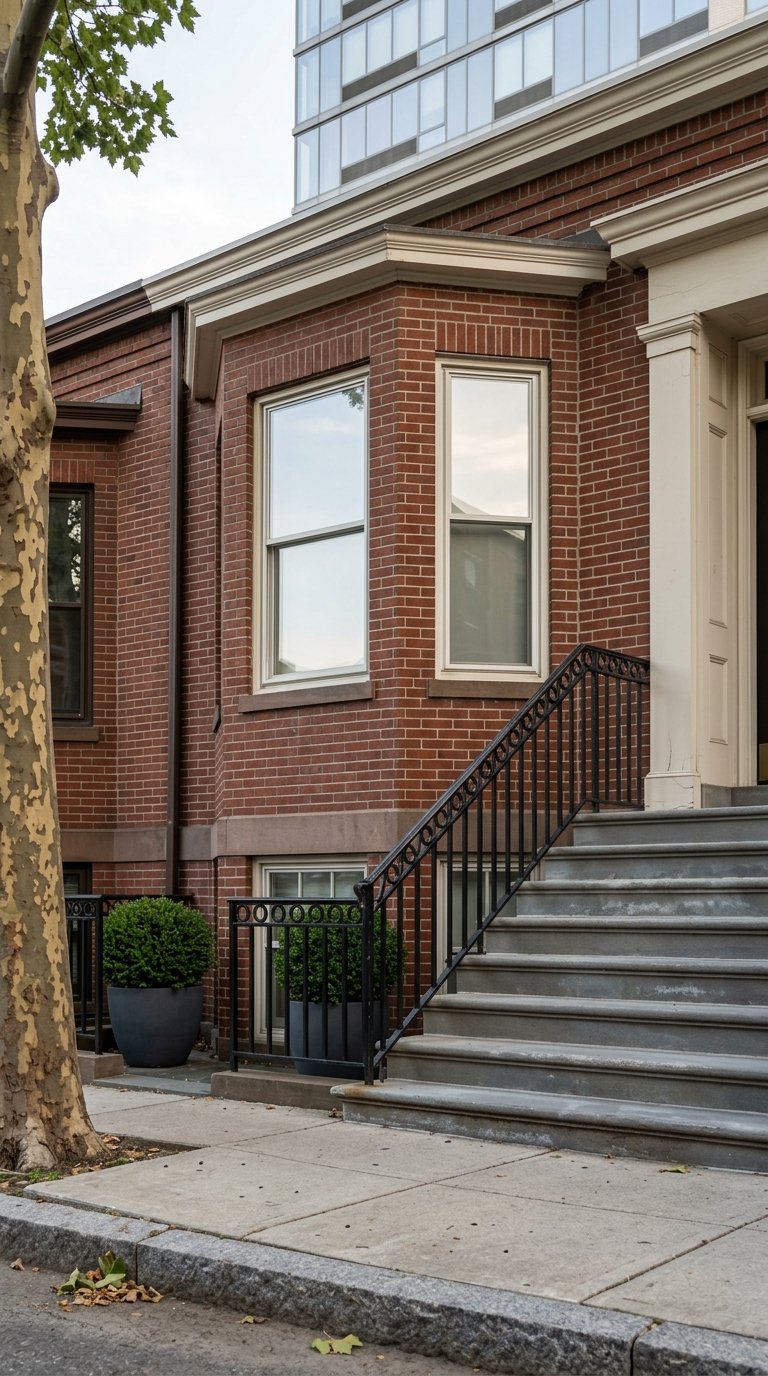
Back Bay is not one uniform luxury market. It is a historic district with block-by-block differences in architecture, frontage, and exterior character, and the City of Boston’s Back Bay Architectural Commission reviews exterior changes as part of the district’s preservation framework.
That matters because in Back Bay, location is more precise than just a neighborhood label. A home near anchors like Commonwealth Avenue Mall, Copley Square, the Public Garden, or the Charles River Esplanade may compete differently than a property on another block with a different setting, exposure, or streetscape.
The city’s guidelines also distinguish between commercial stretches such as Newbury Street, Boylston Street, and Massachusetts Avenue, and the semi-residential alleys between Commonwealth Avenue and Newbury Street. In practical terms, exact block, frontage, and rear exposure are part of the value story, not minor details.
Back Bay is clearly a premium market, but neighborhood-wide medians should be used only as background. Recent snapshots from major portals differ meaningfully, with one showing a median sale price around $1.434 million and another showing about $2.18 million.
That gap does not mean one figure is right and the other is wrong. It shows how much pricing can shift depending on methodology, timing, and product mix. In a neighborhood with everything from smaller condos to ultra-luxury residences, a single median cannot price a trophy listing with precision.
For luxury condos, value is usually decided by the nearest true comp set. That means comparing like with like, not relying on a neighborhood average.
The first step in evaluating luxury condo value is to identify the property type correctly. A full-service tower residence should not be measured against a renovated brownstone home, and a brownstone conversion should not be benchmarked against a newer amenity-rich high-rise.
Back Bay contains multiple submarkets inside one neighborhood. Some buyers are paying for service, privacy, and vertical living. Others are paying for historic character, proportion, and architectural rarity.
That distinction shows up clearly in recent sales. One Dalton residences have reached well above $3,400 per square foot in recent reported sales, while historic Back Bay properties can command top-tier pricing when they offer a rare combination of scale, renovation quality, outdoor space, and parking.
In Back Bay luxury real estate, not every upgrade carries equal weight. A few features come up again and again in the neighborhood’s highest-priced transactions.
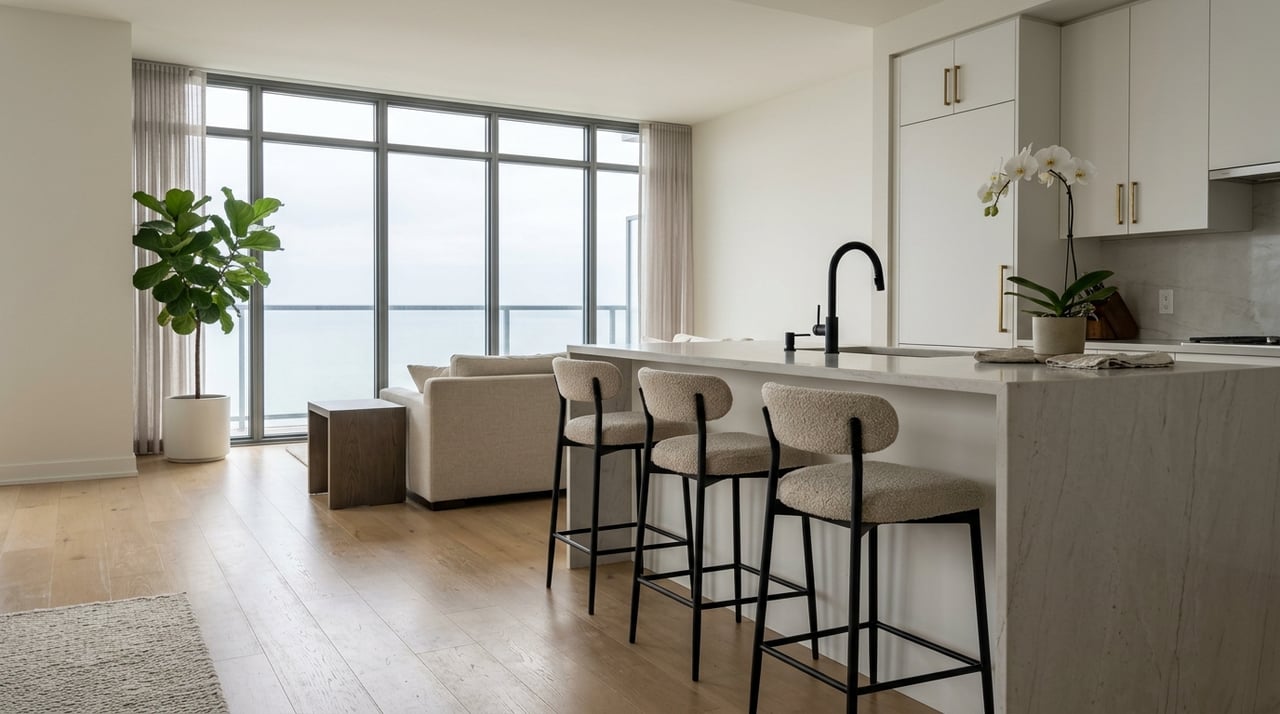
Views are one of the strongest value drivers in the neighborhood. Recent high-end tower sales highlighted outlooks over Fenway Park, the Charles River, and Back Bay brownstones, showing how protected or dramatic sightlines can support pricing.
Floor height also matters because it often improves both light and view corridor. In premium buildings, a higher floor with stronger exposure can place a unit in a different pricing tier from an otherwise similar residence.
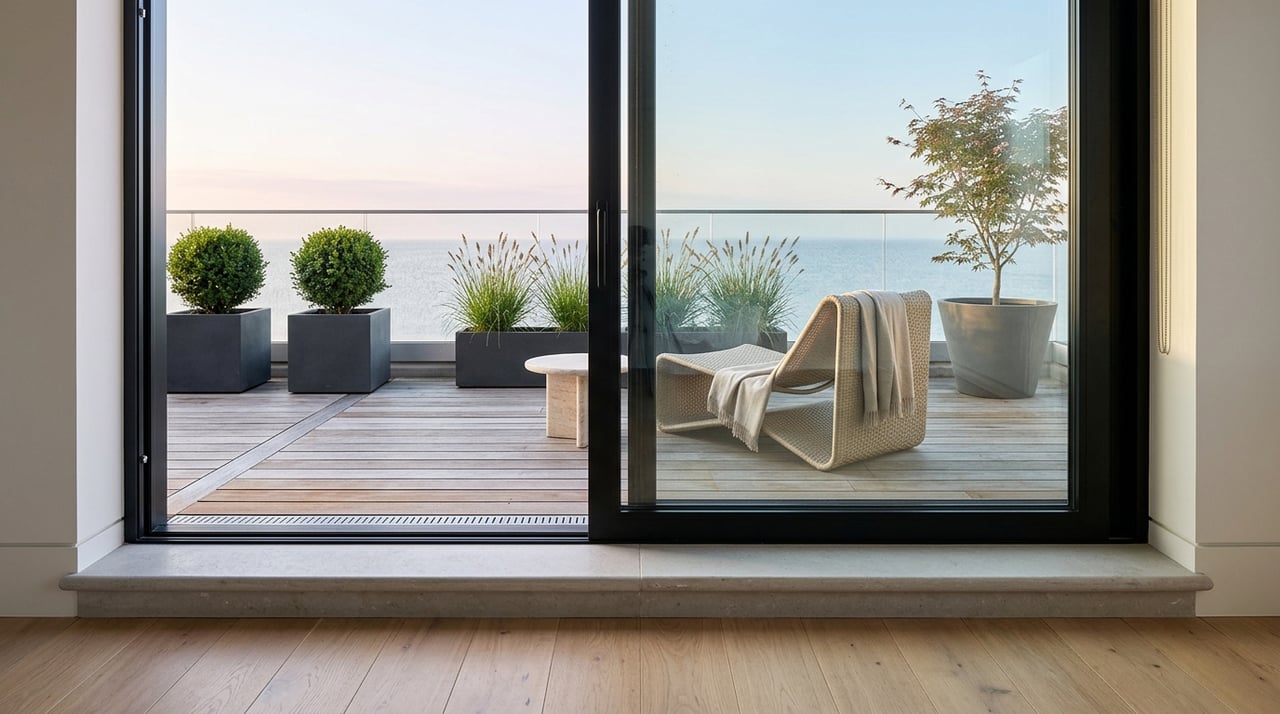
Usable private outdoor space is rare and often valuable in Back Bay. Multiple patios, decks, and balconies were standout features in several of the neighborhood’s marquee sales.
The key word is usable. A meaningful terrace or balcony that adds everyday function or entertaining value tends to matter more than outdoor space that is limited or awkward.
Parking remains a major differentiator, especially when it is attached, deeded, valet-supported, or included in a limited-supply building. Recent luxury sales repeatedly called out garage space counts as part of the pricing story.
In a dense urban neighborhood like Back Bay, extra parking can separate a good listing from a rare one. For some buyers, that convenience meaningfully affects what they are willing to pay.
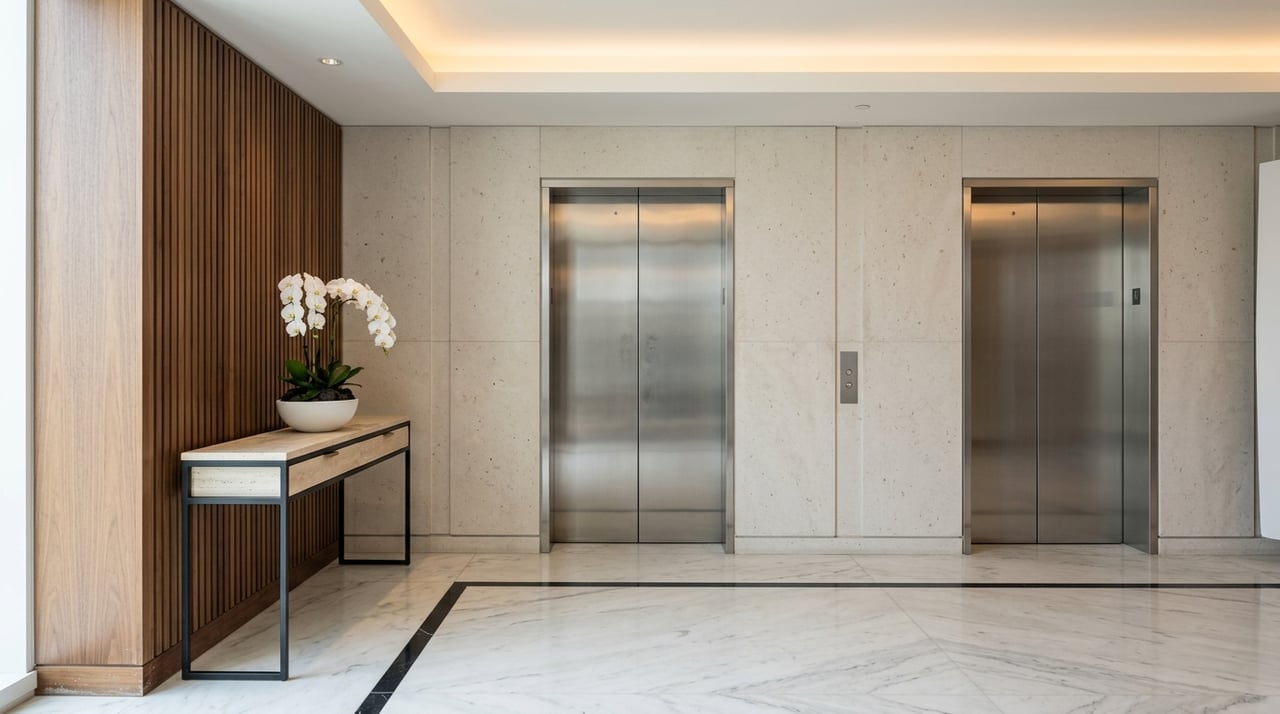
Direct elevator access or elevator service to all floors can strongly influence value. In upper-end properties, privacy and ease of movement are not just convenience features. They are part of the home’s overall positioning.
This is especially important when comparing product types. A residence with private elevator access may compete differently from one with shared hallway entry, even if both are beautifully finished.
In full-service buildings, the amenity and service stack can have a major pricing impact. Concierge service, valet parking, 24-hour security, package handling, resident lounges, fitness facilities, and spa access all shape the buyer experience.
One Dalton is a clear example of this premium service model, with official materials describing concierge service, security, doorman and bellman service, dining privileges, spa and fitness access, a golf simulator, a private theater, and a 50th-floor resident lounge. Those offerings help explain why some tower residences trade at levels that are not directly comparable to classic walk-up or smaller-conversion inventory.
A new tower is not automatically worth more than a historic Back Bay property. In this neighborhood, the premium depends on the rarity package.
Tower buyers may pay more for seamless service, newer systems, high-floor views, and lifestyle amenities. Brownstone buyers may pay more for scale, architectural detail, private outdoor space, parking, and a one-of-a-kind layout.
Recent reported sales support that point. A residence at 1 Dalton Street, Unit 5401, sold for $14.5 million in February 2025, or $3,568 per square foot. Another reported sale at 1 Dalton Street, Unit 5201, closed for $14 million in January 2025, with roughly $3,400 per square foot and notable views.
At the same time, 59 Commonwealth Avenue sold for $21 million in late 2025, showing that historic product can sit at the top of the market when it offers substantial square footage, restored detail, elevator access, multiple patios and decks, and a rare attached garage. Different product types can both command exceptional pricing, but they do so for different reasons.
In any luxury market, it is easy to confuse aspiration with value. Back Bay’s upper tier offers a useful reminder that asking price should be treated as a hypothesis, not a verdict.
A Boston Globe and Zillow analysis found that Greater Boston homes priced above $10 million sold at a median 13.6% discount to initial asking price in the third quarter of 2025. That was notably wider than the 7.7% median discount reported for the same period in 2021.
For you as a buyer or seller, the lesson is simple. Prestige alone does not validate a number. Closed comps, feature adjustments, and product-class comparisons are still the strongest tools for judging whether a listing is well priced.
If you want a practical way to assess value, start here:
That final step is often the most important. In Back Bay, rarity usually drives pricing more than a generic neighborhood label.
Luxury condo value is not just about purchase price. Ongoing costs can influence how buyers perceive a property and what they are willing to pay.
For example, a reported sale at 2 Commonwealth Avenue, Unit 15BC, closed for $11 million after being listed at $15.5 million and carried a monthly HOA fee of $7,255. In a full-service building, that fee may reflect real lifestyle value, but it still affects how buyers underwrite the home.
That is why you should evaluate service level and monthly costs together. A higher fee may be justified by concierge support, valet parking, security, or hotel-style services, but the market will still compare total ownership cost across similar options.
If you are buying in Back Bay, be careful about over-relying on broad market data. A median price per square foot can give you context, but it cannot fully account for a protected view, direct elevator access, or three garage spaces.
If you are selling, be realistic about positioning. The strongest listings usually tell a clear story about what is rare, what is useful, and how the home compares to the closest relevant closed sales.
In both cases, precision matters. In a neighborhood as layered as Back Bay, the best valuation work happens at the property level, not the headline level.
If you want help evaluating a specific condo, comparing it against the right Back Bay comps, or positioning a luxury residence for today’s market, Gabrielle Baron offers a discreet, highly tailored advisory approach grounded in deep neighborhood knowledge and premium condominium experience.
Stay up to date on the latest real estate trends.
Get assistance in determining current property value, crafting a competitive offer, writing and negotiating a contract, and much more. Contact me today.