Selling a Beacon Hill Brownstone With Confidence
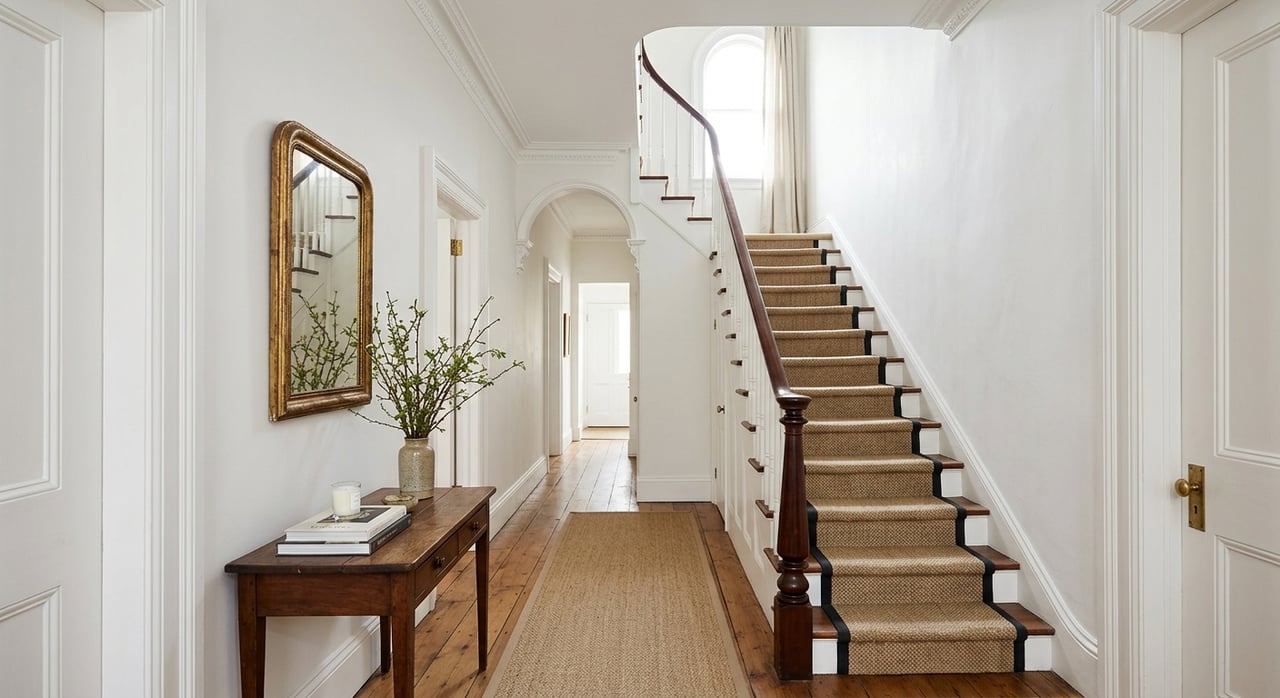
Thinking about selling a historic Beacon Hill home? In this neighborhood, preparing for market is not just about paint colors and polishing hardware. You are balancing buyer expectations, Massachusetts disclosure and safety requirements, and one of Boston’s most closely watched historic review processes. With the right plan, you can protect the home’s character, avoid costly missteps, and launch with confidence. Let’s dive in.
Selling in Beacon Hill usually rewards preparation. Buyers are often drawn to original details, but they also want clarity around condition, maintenance, and any recent work.
That is why a pre-listing punch list matters so much here. Before you think about photography or staging, it helps to organize safety items, deferred maintenance, and repair records so the home presents as both beautiful and well managed.
In Massachusetts, sellers or their agents must provide buyers of 1 to 4 unit residential properties, including condominium units, with a separate written disclosure of the buyer’s right to a home inspection before or at the first purchase contract. The state also says sellers generally may not make acceptance conditional on the buyer waiving or limiting that right.
A Massachusetts home inspection is a visual review of readily accessible components, including heating, cooling, plumbing, electrical, structural components, foundation, roof, masonry, exterior, and interior components. In practical terms, that means visible condition still matters, even in a highly desirable historic property.
If you are deciding what to fix first, start with the items that affect safety, compliance, and a buyer’s confidence. Cosmetic work can wait until the essentials are handled.
A sensible order often looks like this:
For smoke and carbon monoxide alarms, Massachusetts advises owners to line up the certificate of compliance process with the local fire department. The state also recommends verifying the home’s build date and the date of the last building permit before the inspection.
If your property was built before 1978, lead paint notification rules also apply at transfer under Massachusetts and federal requirements. For many Beacon Hill homes, that makes early preparation especially important.
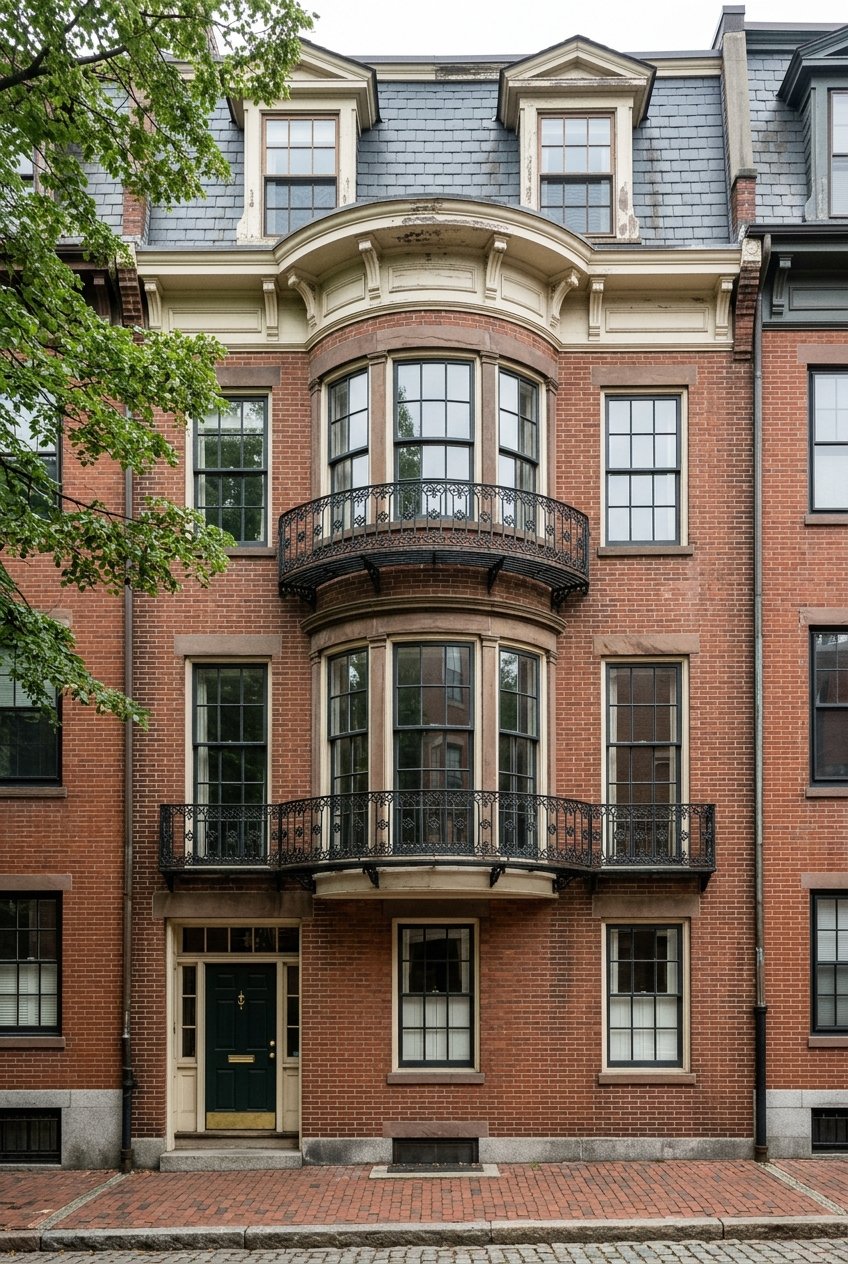
Beacon Hill is the oldest historic district in Massachusetts, and exterior changes visible from a public way are subject to review by the Beacon Hill Architectural Commission. The district’s visibility standard is broader than many owners expect. It includes not only the street, but also views from Boston Common, the Public Garden, Storrow Drive, the Charles River Esplanade, and the Longfellow Bridge.
If you are considering visible exterior work before listing, do not begin work or buy materials until approval is confirmed. The city requires a Certificate of Appropriateness before that type of work is undertaken, and the commission meets on the third Thursday of each month.
It is also worth confirming that your property falls within the current district boundary. Beacon Hill’s historic district has been expanded several times, most recently in 2024.
The review standard is rooted in preservation, not trend-driven updates. The commission weighs historical value, architectural style, general design, arrangement, texture, material, and color in relation to nearby buildings.
That means the best pre-sale improvements are often measured and respectful rather than dramatic. In many cases, preserving what is already there will serve you better than trying to modernize visible historic elements.
For period homes in Beacon Hill, repair is generally favored over replacement when original or historically significant materials remain. When replacement is necessary, the new material should match the original in composition, design, color, texture, and other visible qualities.
If a feature is missing and you want to restore it, the guidelines say there should be physical or pictorial documentation. This is one reason sellers benefit from gathering old photos, invoices, and renovation records before work begins.
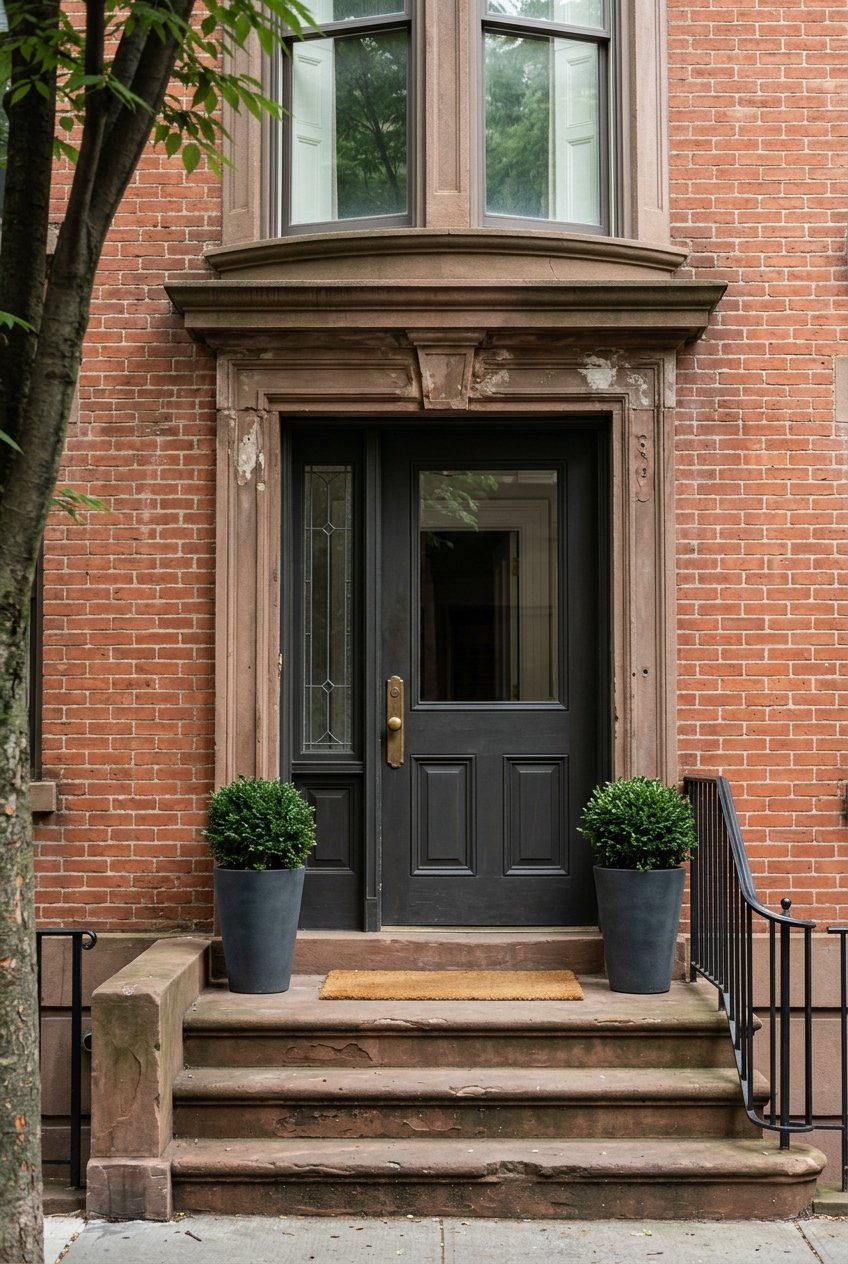
Windows and entries deserve special attention because they shape a buyer’s first impression and draw close scrutiny under district rules. Even well-intended changes can create delays or hurt the overall presentation.
For windows, Beacon Hill guidelines do not permit vinyl-clad sash or metal-clad wood frames. True divided lights are required, simulated muntins are not allowed, and only clear, non-tinted glass is considered appropriate.
Exterior storm windows can be acceptable if they have minimal visual impact. Window boxes, however, cannot be permanently affixed.
For doors and entries, original surrounds, transoms, hardware, and related details should be retained when possible. Only paneled doors are allowed, while flush and metal-clad doors are not. Storm doors are generally disallowed unless they are original.
Lighting and entry technology matter too. Exterior lighting should remain in traditional locations, and intercom panels should be flush-mounted and not backlit.
Some updates are especially risky in Beacon Hill because they run against clearly stated district rules. If you are preparing for sale, these are usually better avoided altogether.
Common trouble spots include:
The guidelines also note that unresolved zoning issues can stop formal commission review. If exterior work is part of your sale strategy, timing and coordination matter.
Historic materials usually add value when they look cared for rather than overworked. Beacon Hill guidelines discourage masonry cleaning unless it is necessary, and they prohibit sandblasting.
Paint choices should also stay historically appropriate. At the same time, unpainted materials such as copper, granite, brick, sandstone, lintels, sills, and stoops should not be painted.
At the roof level, original rooflines, dormers, chimneys, parapets, end walls, and firewalls should be retained. These details are part of what gives Beacon Hill homes their visual rhythm, so preserving them supports both compliance and presentation.
Staging can help buyers understand a historic home quickly, especially when rooms are narrow, vertical, or spread across multiple levels. According to the National Association of Realtors 2025 Profile of Home Staging, 83 percent of buyers’ agents said staging made it easier for a buyer to visualize the property as a future home.
The rooms most commonly staged were the living room, primary bedroom, and dining room. Their general staging guidance defines staging as cleaning, decluttering, repairing, depersonalizing, and updating.
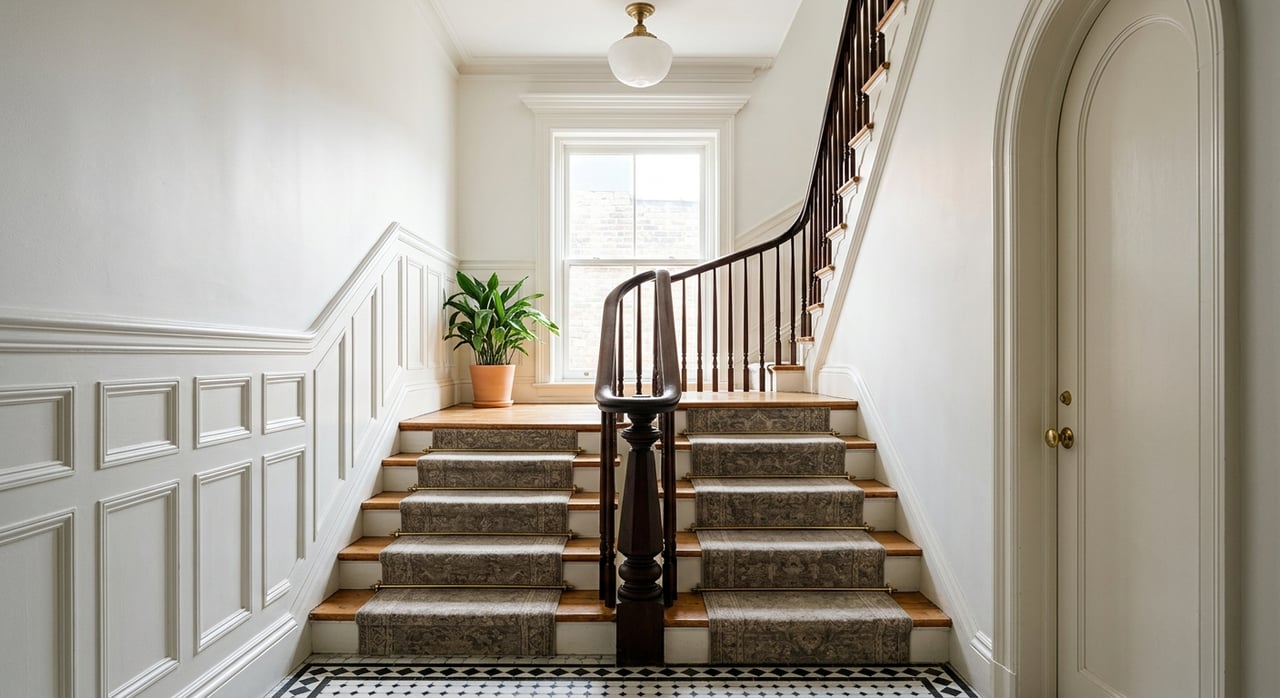
In Beacon Hill, the strongest staging is often the most restrained. You want the architecture to lead.
A practical approach includes:
A beautiful listing experience also depends on logistics. Beacon Hill’s narrow streets and parking rules can affect how easily buyers access and experience the home.
Boston’s resident parking rules mean vehicles not registered in the neighborhood are generally not eligible for resident-only street parking. Visitor options are limited, and most spaces in restricted areas are reserved for residents.
In metered areas of Beacon Hill, the city says the standard rate is $2 per hour, with some small turnover sections priced at 50 cents per 15 minutes. For sellers, that makes a clear showing plan especially helpful.
Your showing materials should include:
Small details like this can reduce friction and help buyers stay focused on the home itself.
Outdoor space can be a major asset in Beacon Hill, but only when it feels compatible with the home and the district. Buyers tend to respond best when these spaces look intentional, simple, and historically appropriate.
Visible roof decks and deck enclosures are considered inappropriate in Beacon Hill. Roof access structures must remain low profile and not visible from a public way, and roof screening fences are not allowed.
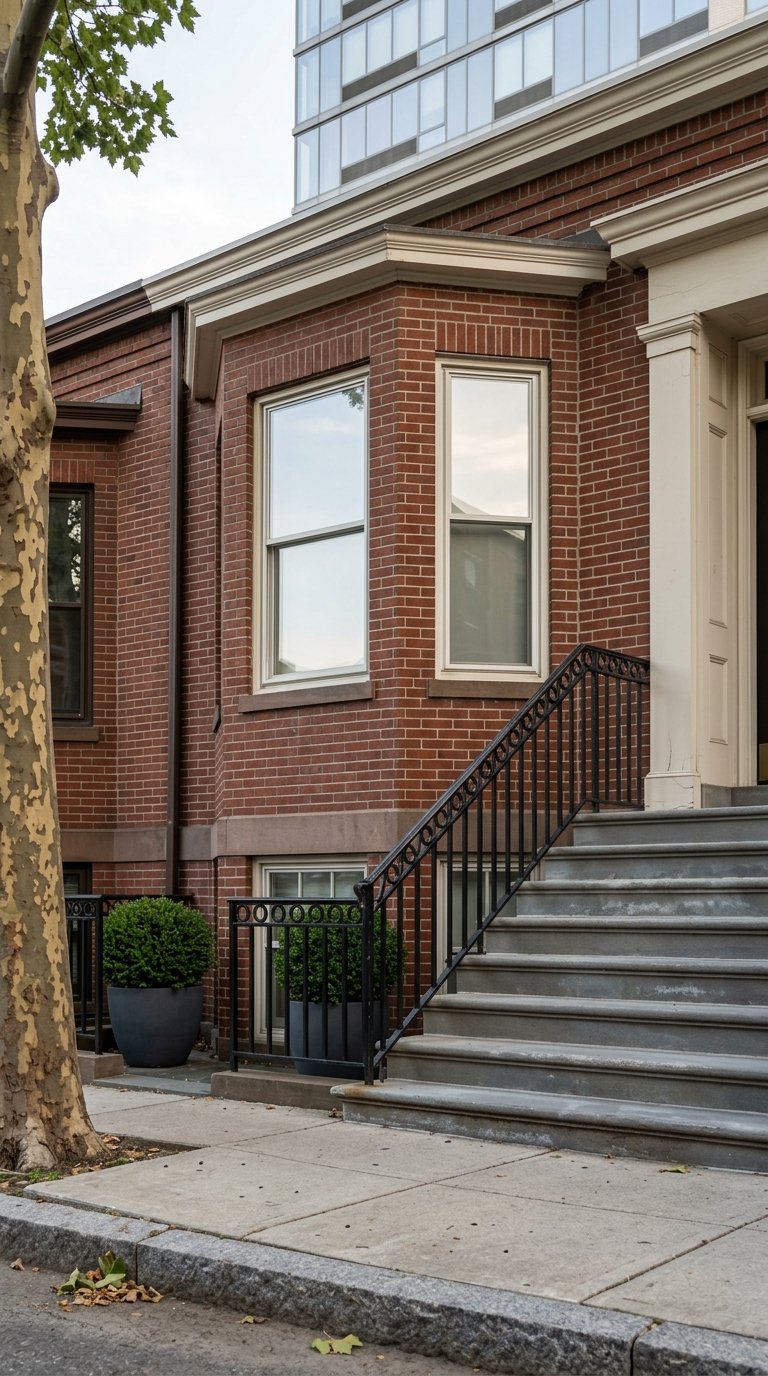
At street level, stoops and small exterior moments should feel clean and well kept. If you use decorative elements, keeping them reversible and visually modest usually supports the home’s authenticity.
In a historic sale, paperwork matters almost as much as presentation. Buyers often feel more comfortable when they can see that upkeep has been thoughtful and organized.
Before launch, try to assemble:
This kind of file does not replace a buyer’s own due diligence. It does, however, help tell a credible story of stewardship.
Preparing a historic Beacon Hill home for sale is not about stripping away age or chasing trends. It is about presenting the property with care, respecting the district’s rules, and making it easy for buyers to appreciate both the character and the condition.
When you approach the process in the right order, you can avoid unnecessary work, protect architectural details, and bring the home to market with a stronger narrative. If you are planning a Beacon Hill sale and want a discreet, highly tailored strategy, Gabrielle Baron can help you prepare, position, and present your home with confidence.
Stay up to date on the latest real estate trends.

Get assistance in determining current property value, crafting a competitive offer, writing and negotiating a contract, and much more. Contact me today.